
For business owners in the towing industry, understanding the costs associated with tow truck insurance is crucial for maintaining a profitable operation. With the wide variation in insurance premiums influenced by factors such as truck type, location, and experience, it’s essential to grasp how these elements interact to determine your costs. This article will break down the key factors influencing tow truck insurance pricing, followed by an estimate of expected costs based on fleet size, equipping you with the knowledge to make informed decisions.
What Really Drives Tow Truck Insurance Costs: Weight, Distance, and Risk on the Road
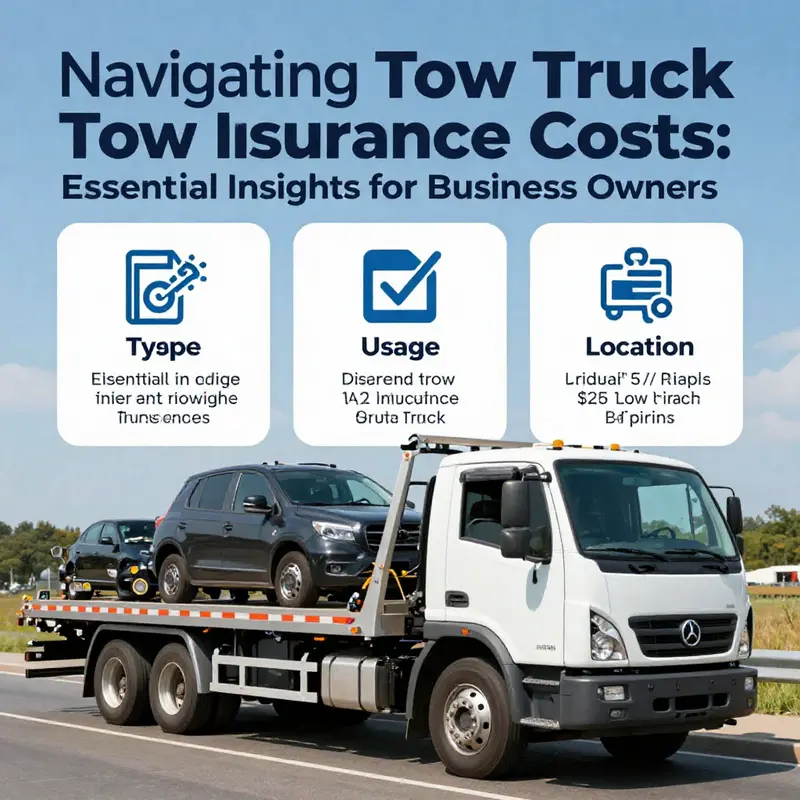
Insurance costs for tow trucks hinge on risks that unfold long before a driver arrives at the roadside. The premium is not just a sticker price slapped onto a policy; it is a mirror of the exposure a tow operation presents to an insurer. The more your fleet resembles a moving recovery operation—heavy equipment, long hours, high-risk routes—the higher the premium is likely to be. The calculus is practical and layered, built from the everyday realities of towing work. Understanding these realities helps you measure what drives costs and where you can bend them without compromising essential protection.
First, the type and weight of the towed vehicle itself matters. Heavier, more complex towed loads demand specialized equipment and greater skill. A standard flatbed in good condition can be maneuvered with a relatively straightforward risk profile. In contrast, when your work involves heavy-duty vehicles, buses, or items that require intricate rigging, the towing operation carries amplified risk for property damage and bodily injury. Insurers treat the presence of high-value or exceptionally complex towed loads as a signal of increased potential for expensive claims. This translates into higher premiums because the possible loss, should something go wrong, is correspondingly larger. The same logic applies to the truck’s own value and equipment. A newer rig with advanced rotator capabilities, winches, or hydraulics raises the replacement cost and the likelihood of a mechanical or theft-related claim, and those factors are priced into coverage.
A second key factor is the distance of the tow. In practice, distance often emerges as the most predictive element of cost. Longer tows draw more hours on the job, more fuel consumption, greater wear and tear on both equipment and drivers, and, crucially, higher exposure to road hazards. While a roadside assist call that covers a short stretch may present a modest risk, a longer haul on busy highways or through challenging terrain multiplies the chances of an incident or damage to the load. From an insurer’s viewpoint, longer distances widen the window for potential accidents, theft, or miscommunication between the vehicle and the operator. This is why, in many pricing models, distance per job carries a substantial weight in the overall premium calculation.
The third factor centers on the type and frequency of services required. Emergency roadside assistance, accident recovery, or long-distance transport each carry distinct risk profiles. Emergency recoveries may involve unpredictable traffic, unstable obstructions, and the need to perform delicate operations in less-than-ideal conditions. Long-distance transport introduces additional exposure to varying road conditions, weather, and extended motorist interactions. The more your business regularly engages in high-risk services, the more insurers will price in the chance of a claim arising from those services. This is not merely a matter of perception; it reflects statistics on incident rates tied to particular kinds of towing work and the environments in which it occurs.
Geography also plays a telling role. Urban areas—dense traffic, congested clusters, high call volumes—tend to produce higher premiums. The sheer frequency of incidents in city centers and on major highways increases the probability of a claim; that translates into higher insurance costs. Rural operations, while potentially lower in claim frequency, can face different challenges: longer response times, longer tow distances, and exposure to less accessible work sites. If your routes repeatedly traverse high-traffic corridors at peak times, expect the risk pricing to tilt upward. In short, location affects not only how often a claim might occur but the ease with which a tow can be executed safely, both of which insurers weigh when underwriting.
The driver’s experience and record matter a great deal. A seasoned operator with a solid driving history lowers risk in the eyes of underwriters. Training credentials, certification in recovery techniques, and adherence to safety protocols can reduce the likelihood of mishaps that lead to liability or physical damage claims. Conversely, a fleet with recent accidents, traffic violations, or a higher rate of near-misses tends to face higher premiums. The insurer is looking for the kinds of stabilizing inputs that predict fewer costly events, and driver quality is one of the most tangible signals available.
Another variable is the towing company’s overall claims history. A track record of frequent or severe claims raises a red flag. Insurers price against the backdrop of a business’s past behavior: if a company has shown recurring losses, the policy becomes more expensive or, in some cases, harder to place. This is a reminder that risk management matters just as much as the policy form. The better a company demonstrates consistent safety improvements, regular maintenance of equipment, and robust incident reporting, the more favorable the pricing tends to be.
Then there is the matter of coverage type itself. The specific layers of protection you choose directly determine the premium. General liability protects against third-party injuries and property damage and is often a nonnegotiable foundation for most towing operations. Physical damage coverage shields your own fleet against collision or comprehensive losses. Hired auto liability comes into play when you rent or borrow vehicles for work. Workers’ compensation, required in most jurisdictions for firms with employees, adds another cost layer tied to payroll and state rules. A commercial umbrella policy, used to extend liability limits beyond standard thresholds, is common for high-risk operations and can substantially raise overall protection along with the price. Each of these coverages fills a different niche in the risk mosaic, and the combination you select shapes the total cost.
In real-world terms, current pricing tends to align with fleet size and equipment complexity. As of recent industry benchmarks, a small tow truck fleet with one or two vehicles typically spends roughly four to eight thousand dollars per year on insurance. A mid-sized operation with three to five trucks often falls in the eight to fifteen thousand-dollar range annually. Large fleets that include specialized equipment such as rotators or heavy-duty flatbeds can see premiums in the fifteen-thousand-to-thirty-thousand-dollar range or more each year. These figures illustrate how cost scales with risk exposure, but they are meant as guides rather than exact quotes. Real-world quotes will reflect your fleet’s unique mix of vehicle types, routes, and operational practices.
For operators seeking clarity in a crowded market, the best path is to gather multiple quotes from insurers who specialize in commercial auto and specialty vehicle coverage. Each insurer will weigh your fleet differently, and the variance between quotes can be substantial. A broker who focuses on commercial towing can help you compare not just price but the scope of coverage, exclusions, and the stability of the insurer’s appetite for high-risk operations. When assembling a policy package, remember that a lower premium may come with higher deductibles or narrower coverage, while a comprehensive package with robust limits can provide more predictable protection during a claim. It is worth investing time in a careful risk assessment and an apples-to-apples comparison of what each policy actually covers. A practical step is to delineate your typical operations—types of loads, average tow distances, service mixes, and staffing levels—and use that profile to request side-by-side proposals.
As you evaluate options, a useful habit is to connect with a broker who can translate the jargon of liability limits, exclusions, and endorsements into concrete implications for your business. If you want to explore related operational contexts, you can learn more about how tow service providers approach everyday challenges through relevant examples in the industry. For a deeper look at the realities of running a tow operation in a specific market, consider viewing resources that discuss local service dynamics and how they influence daily decisions on coverage and pricing. This broader lens helps ensure your insurance reflects not just the cost of a policy, but the true risk profile of your business in its unique setting. towing service in Houston.
To ground this discussion in a broader research context, the Insurance.com overview of towing insurance costs offers a summative view of how factors like vehicle value, equipment, and claims history shape premiums. While your exact numbers will vary by region and insurer, the principle remains the same: insurance mirrors exposure, and managing exposure through safety, training, and disciplined operations can influence your cost trajectory over time. For readers seeking a concise external reference that aligns with the themes discussed here, this resource provides a helpful frame for comparing real-world price ranges and coverage structures. External resource: https://www.insurance.com/towing-insurance-costs/
Fleet-Size Pricing: How Tow Truck Insurance Costs Scale With Your Operations
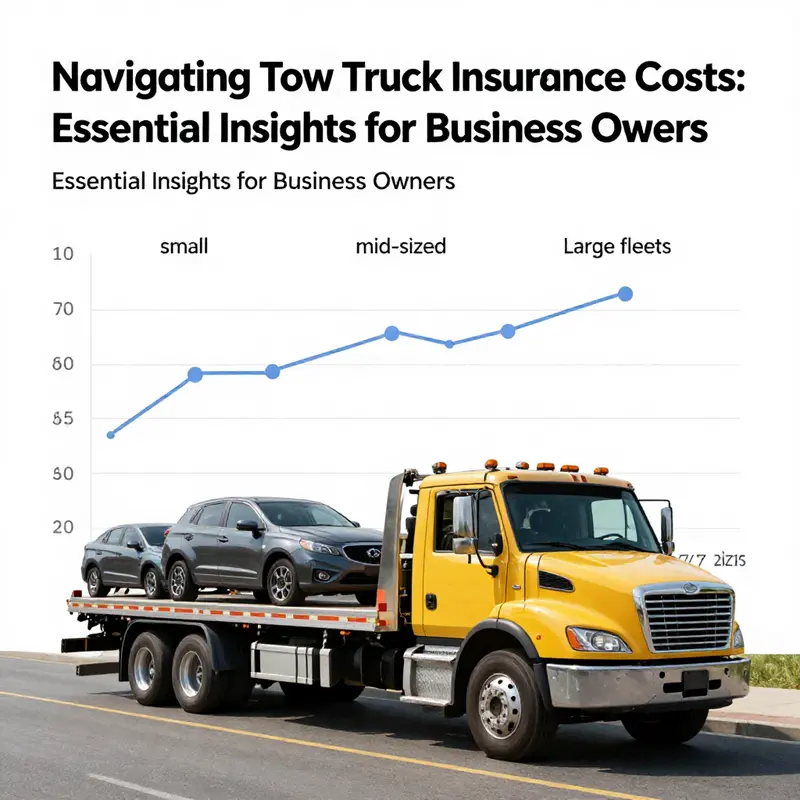
Insurance costs for tow trucks scale with fleet size and risk profile. This chapter explains how per-truck premiums typically decline as fleets grow, while total premiums rise with more assets to insure. It covers small, mid-sized, and large fleets, the impact of vehicle types from standard flatbeds to rotators, and how geography, driver qualifications, and claims history influence pricing. It also outlines practical steps to obtain apples-to-apples quotes from specialized commercial auto insurers and how safety programs and disciplined risk management can improve long-term pricing stability.
Final thoughts
Understanding the various factors that influence tow truck insurance costs, alongside estimated pricing based on fleet size, is vital for making informed operational decisions. As you navigate these costs, consider the unique characteristics of your towing business and seek personalized quotes to ensure you get the best coverage for your needs. Staying informed will help you protect your investment and enhance your business’s profitability in the competitive towing industry.