
Gaining insight into the salary structures of tow truck drivers is vital for business owners in the towing industry. Understanding how much tow truck drivers earn enables owners to budget effectively, attract qualified personnel, and remain competitive in the market. This article delves into the various earning potentials based on different regions, including the United States, Canada, and Australia, providing business owners with valuable information. Each chapter explores salary ranges, geographical variations, and annual earnings to equip owners with the necessary understanding to make informed decisions regarding staffing and compensation strategies in the towing sector.
Tow Truck Pay in America: Navigating the spectrum of earnings Across Regions, Roles, and Rigs
The pay landscape for tow truck drivers in the United States is not a single figure but a spectrum shaped by where you work, how much experience you bring, and the kind of towing you do. A steady thread through the data is that earnings rise with specialized skills, longer or more demanding shifts, and the density of demand in a given market. What this means in practice is simple on the surface but complex in reality: a driver can move from modest, entry‑level compensation to a substantially higher ceiling as they gain time on the road, learn to handle heavy equipment, and land roles that demand emergency response, complex recoveries, or round‑the‑clock availability. The numbers you’ll see in job postings or salary sites reflect those nuances, not a single average that fits every city or company.
Across the board, the picture in the United States often lands somewhere in the broad middle of the pay spectrum with pockets of higher earning potential. On an hourly basis, one recent compilation places the average around the low $20s, with typical wages hovering in the $13.73 to $32.81 per hour range depending on entry status or specialization. Translating that to annual figures, a driver might earn roughly $40,000 at the start, with more seasoned, skilled colleagues climbing toward or beyond the $60,000–$80,000 mark when overtime, on‑call rates, and high‑demand assignments are included. The same data sources point to a broader average that can appear higher or lower depending on the method of calculation and the inclusion of overtime, bonuses, or premium shift pay. In practice, a driver in a large metropolitan area who specializes in heavy‑duty or accident recovery and who works substantial overtime can push annual earnings toward the upper end of the spectrum, while rural markets with fewer emergency calls may yield more modest yearly totals.
There is also a broader, population‑level statistic that often surfaces in industry discussions: the typical full‑time tow operator earns something around the mid‑fifties in thousands per year, with hourly pay frequently cited around the low to mid‑twenties. This aligns with the notion that the job’s compensation scales with the volatility and predictability of work. High‑demand regions, urban centers, and fleets that operate around the clock tend to push pay higher, because drivers are compensated for night, weekend, and holiday shifts, as well as for the additional risk and responsibility that comes with complex towing tasks. At the same time, entry‑level positions exist in many markets where wages start lower, reflecting the learning curve and the need to prove reliability and safety aboard the wrecker.
The variation is not just about where you park your truck. It also hinges on the type of towing you perform. Flatbed and heavy‑duty towing, specialized accident recovery, and on‑scene roadside assistance can command different pay scales. Drivers who invest in certifications or who join teams that handle high‑value vehicles, commercial fleets, or storm response duty tend to command higher hourly rates or guaranteed overtime. In contrast, basic rollback towing for small transports or routine local calls in low‑density areas may come with a more predictable but lower wage floor. The discipline also rewards those who master the logistics around on‑call rotations, permit and regulatory compliance, and efficient, safe operating practices. Each shift—night versus day, weekday versus weekend—carries a different premium, and many employers structure pay to reflect those differences. The result is a career that can begin with solid base pay, while the ceiling expands as experience, skills, and the willingness to work demanding hours accumulate.
This dynamic picture helps explain why figures from different sources can look divergent. One study might highlight a higher national average, especially when it aggregates heavy‑duty towing and emergency response roles with overtime and bonuses. Another source may emphasize a lower base rate, focusing on standard, nonemergency local towing in smaller markets. In either case, the practical takeaway for someone evaluating a tow‑truck career is this: pay is not a fixed number. It’s a moving target shaped by location, the employer’s business model, and the driver’s evolving skill set. For those weighing a career in this field, it’s important to look beyond headline salary and examine components like overtime eligibility, on‑call pay, hazard pay, and the potential for growth into supervisory or specialized roles.
Regional differences within the United States are a fundamental driver of earnings. Markets with higher costs of living and denser demand for 24/7 service—urban cores, industrial corridors, and regions prone to severe weather and heavy traffic—tend to offer higher compensation, partly to offset living expenses and partly to recruit and retain skilled operators amid intense competition for on‑call time. Conversely, rural or less densely populated areas may present a steadier flow of calls but with a lower pay ceiling, unless a driver takes on heavy‑duty work, multi‑vehicle recoveries, or shifts that include overtime. The industry’s real‑world economics also reflect the business model of the employer: independent operators, small fleets, and large national or regional chains each structure pay, benefits, and overtime thresholds a bit differently, influencing the daily experience of a driver as much as the long‑term earning potential.
For readers who want a tangible connection to local markets, pay often mirrors the local economy and the frequency of urgent calls. A driver who builds a reputation for reliability during late‑night storm events, or who learns to navigate sophisticated recovery equipment, may see a step change in earnings regardless of the city. The opportunity to rise into roles that coordinate on‑scene operations, supervise junior drivers, or manage a small fleet is closely tied to the ability to demonstrate safety, timeliness, and cost effectiveness on the road. In short, while the average can provide a rough compass, the true earnings story unfolds through the chapters of one’s career: where you work, what you drive, and how you pair speed with safety on every call.
For readers seeking a practical starting point, looking at local market data through job postings and regional salary trends can illuminate the likely earning path. An important facet of this research is recognizing how much overtime and on‑call time can add to base wages, and how certifications or specialty equipment can unlock higher hourly rates. If you want to connect this overview to a real‑world context, the page on towing services in Houston offers a concrete example of how local market conditions shape pay expectations in a busy, service‑intense environment. This kind of local lens helps translate national figures into a more concrete sense of daily earnings for drivers who are eyeing a specific career path.
External data point readers can consult for the latest numbers is Indeed’s Tow Truck Driver Salaries page, which aggregates current job postings and employee reports to reflect real‑time market conditions: https://www.indeed.com/career/tow-truck-driver/salaries
As with any skilled trade, the path to higher earnings in tow work is less about a single breakthrough and more about stacking experience, certifications, and responsibility. The range exists for a reason: it accommodates different life circumstances, markets, and employer models. By understanding where you are on that spectrum and how the factors interact, you can weather the job market with clearer expectations and a strategy for increasing your earning potential over time. To explore how local demand plays out in practice, consider the broader regional dynamics and the kinds of roles that typically carry premium pay—then map your own plan for growth, specialization, and reliability on the road.
Geography in the Wages Lane: How Tow Truck Driver Earnings Vary Across Canada
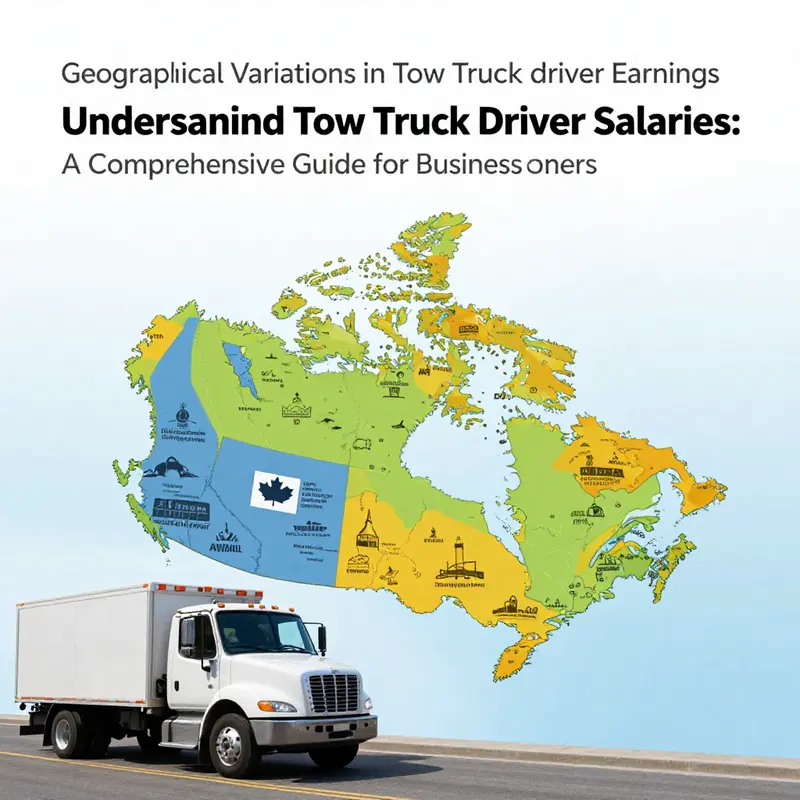
Across Canada, tow truck driver earnings follow a map drawn by geography, demand, and the type of work performed. The national snapshot, based on December 2025 data, places the base hourly rate around 17.75 CAD, but that figure only hints at what drivers actually take home. In major urban centers, pay tends to be higher because demand is steadier, operating costs are higher, and competition among service providers is fiercer. In cities such as Toronto, Vancouver, and Calgary, drivers report above-average wages, especially when overtime, night shifts, or specialized equipment is involved. The most important driver of this variation is not simply the city itself but the cluster of factors that accompany density: traffic patterns, emergency response needs, and the complexity of the towing tasks. When a shop handles heavy‑duty recovery, flatbed work, or accident scene clearance, the rate per hour can climb significantly, sometimes pushing annual earnings toward or above 80,000 CAD in cases of long‑term positions with benefits.
In contrast, rural or remote regions often show lower base wages. The distance to clients and the irregular hours can depress the hourly rate, yet some regions counterbalance this with overtime pay, shift differentials, or bonuses for working under hazardous conditions. In addition, certain provincial programs and local regulations can influence pay structures. Alberta and British Columbia generally report higher averages, reflecting robust transportation sectors and stricter licensing standards. Fort McMurray, for example, usually offers higher hourly ceilings as part of the oil and gas corridor, while Metro Vancouver and parts of the interior show strong demand that supports elevated pay relative to national averages. Ontario towns may display a mixed picture, with Thunder Bay offering higher rates than other northern locales while Toronto sits at the upper end of provincial wages.
The wage landscape is also shaped by the employment environment. Some regions host unionized drivers or municipal fleets that maintain more uniform pay scales and predictable overtime, while others rely on private companies with variable pay bands tied to contracts and workload. Certification and training matter here. Heavy‑duty towing, emergency response, and incident management require skills that not every driver possesses. Those with additional credentials, such as load securement, hazardous materials awareness, or crane operation, can negotiate better terms, particularly in high‑cost markets. The result is a patchwork of earnings where a driver moving from a smaller town to a larger hub might experience a meaningful lift in take‑home pay, even if the hourly base remains in the same ballpark. This is not simply about negotiating power; it is about the interplay between living costs, travel times, and the availability of steady, high‑volume work.
To grasp the local variations, consider the provincial lens. Alberta and British Columbia often lead the way, while Saskatchewan and Manitoba tend to be closer to the national average unless a driver lands a specialized role or a position in a large city. Nova Scotia, New Brunswick, and Newfoundland and Labrador typically hover near the lower end of the spectrum, though seasonal spikes can occur in tourism‑linked rush periods or during storms when out‑of‑region response is scarce. The overall message is clear: geography matters in tow truck earnings as much as it does in any other field that revolves around on‑site service, recovery, and rapid response. Some regions temper lower base wages with adjunct benefits such as housing allowances, travel reimbursements, or subsidized training, creating a more attractive overall compensation package for the right candidate. For a window into how an operator’s career can unfold, see the example page at mikes-towing.
As drivers map their career paths, the implications of location become practical. A person weighing a move or choosing a first job should not rely solely on the hourly rate. They should consider the value of overtime potential, the stability of contracts, and the real cost of living in a given area. In high‑cost markets, a modest hourly premium can translate into a solid annual income once overtime and night shifts are factored in. Conversely, a lower nominal rate may still yield decent earnings if job security is high and the schedule is predictable. The data converge with common sense: urban centers offer more opportunities but demand more time on the road and more exposure to traffic hazards; rural posts offer steadier routines but fewer chances to rack up hours. In the end, a driver can optimize earnings by aligning skills with market needs, moving toward more specialized tow work, and seeking employers who provide consistent overtime and clear wage progression. For official salary ranges and labour‑market context in Canada, consult the Government of Canada Job Bank, which offers location‑specific insights and trends.
External resource: https://www.jobbank.gc.ca
Riding the Rate: Australian Tow Truck Wages in a Global Pay Landscape
When people ask how much a tow truck driver earns in Australia, they are really asking about a complex map. The pay landscape is shaped by where you work, who you work for, and what you do behind the wheel. Across the country, the figure often cited by employers and job boards centers around a broad band rather than a single fixed number. Data from Indeed, which compiles thousands of job postings and reported salaries, puts the average annual salary for a tow truck driver in Australia at about 75,969 AUD. That figure captures a nationwide snapshot that includes a range of responsibilities from roadside assistance and lightweight tow calls to heavy duty recoveries and emergency response. Yet on the ground, workers in different states and in different job contexts will see meaningful variation. For instance, Transport for NSW lists a weekly figure that, when annualized, translates to roughly 65,728 AUD, assuming a standard 52 week year. This NSW figure reflects a particular pay scale for a government or quasi government engine of road safety and recovery, but it is not the universal Australian norm. The two numbers together illustrate a crucial point: the label average can mask substantial local differences.
Location remains a primary driver of earnings. Urban centers with higher call volume and dense traffic tend to sustain steadier, more lucrative streams of work. In the eastern states, where demand for rapid response services remains high, drivers frequently find more consistent hours and more opportunities for overtime. In more remote regions, the opposite can occur: jobs may be fewer, but the value attached to specialized, long haul or remote area towing can push pay upward for those who build a niche. In Australia, the standard pay envelope is also shaped by who employees work for. Government or government affiliated fleets often come with structured pay scales, predictable superannuation contributions, and a clearer path for progression. Private operators, by contrast, may offer more aggressive on the spot incentives, overtime, on call bonuses, and premium rates for after hours or urgent jobs but with greater variance in benefits and job security.
Experience is another decisive factor. A newer tow truck driver may enter the field with training and certification, but earnings rise as hands on time, technical proficiency, and the ability to handle challenging recoveries accumulate. Specialization matters, too. Flatbed towing, rotator or heavy duty recovery, and accident scene management can all command higher rates. Certifications in load securement, workplace safety, and hazardous materials handling not only broaden the types of calls a driver can accept but also bolster pay potential. In the end, the most dramatic leap in earnings often comes from expanding the scope of work: taking on complex, time sensitive calls, supervising a crew on high risk recoveries, or managing a fleet’s after-hours response.
Beyond the base wage, the components of a complete compensation package help explain why two drivers with the same headline salary can experience very different totals. Superannuation contributions, which are a standard feature of Australian employment, add real value to a driver’s future retirement readiness. Paid leave and statutory holidays provide a degree of income stability that many trades workers rely on to weather busy periods and slow seasons alike. Vehicle or equipment allowances, premium pay for night shifts and weekend work, and the possibility of performance bonuses or incentive payments can tilt the overall package in favor of those who stay flexible and available when demand spikes. The combination of base pay, overtime, and these ancillary benefits tends to define the true earning potential more accurately than any single number.
To understand the broader context, consider how Australia’s wages compare with other developed economies. The Australian market sits in a competitive band for skilled trades and transport roles, where cost of living, labor laws, and industry demand intersect to shape compensation. The NSW example illustrates how regional frameworks translate into practical weekly earnings, while the nationwide average reflects the heterogeneity of roles and regional labor markets. The key takeaway is that the value of a tow truck driver’s work rests on reliability, scope, and the capacity to respond quickly and safely in often stressful scenarios. This is a job where going the extra mile—not just in miles driven, but in skill and judgment—reduces downtime for road users and increases the value of the service supplied. It is no surprise that those who combine technical proficiency with a calm, methodical approach are the ones most likely to see steady advancement and a favorable compensation trajectory over time.
In discussing salary structures, it is helpful to picture a spectrum rather than a fixed ladder. At one end lies base pay tied to experience and role complexity. At the other end sit the supplements that accompany real-world responsibilities: after-hours call-out allowances, distance or time based premiums, and performance incentives. Between these poles, individuals navigate shifts, demand cycles, and the realities of the job site. Urban centers may offer more call volume and thus more opportunities to earn through overtime, while rural postings may compensate with higher per-call rates or travel allowances to offset longer commutes. The result is a mosaic where the final take-home figure is highly personalized to the driver’s specific circumstances.
Another layer of context comes from international comparison. While detailed cross-country data requires careful normalization for cost of living and tax totals, Australia’s overall compensation profile sits within the spectrum expected for modern, skilled, road-based trades. The demand for rapid, safe, and professional roadside assistance keeps wages buoyant, especially for those who bring additional capabilities like heavy-duty towing, complex recoveries, or fleet management tasks to the table. The precise math of an individual’s earnings will hinge on the interplay of hours worked, the mix of calls, and the particular employer’s pay philosophy. For someone evaluating a career in this field, the message is practical: build your technical skill, pursue relevant certifications, and seek roles that align with the higher-value segments of towing work. These choices tend to yield the strongest compensation trajectories over time.
For readers seeking a fuller sense of the day-to-day economics, consider the real-world routine of a typical shift. An ordinary day may begin with a dispatch, followed by a sequence of roadside calls—flat tires, jump starts, or minor recoveries—punctuated by longer, more demanding jobs in which a tractor and winch are required to move a heavy vehicle from a ditch or a difficult road condition. On many shifts, drivers will be on call, ready to respond to night or weekend emergencies that require immediate action. The cadence of work, the travel involved, and the safety precautions demanded all contribute to the overall value of the job and, by extension, to the earnings potential. In this sense, the profession blends hands-on workmanship with the strategic planning of routes, resources, and timing—a synergy that operators who master both aspects tend to monetize most effectively.
For those who want to situate Australia within a global frame, a practical takeaway is that salary figures are not merely numbers; they reflect a workforce that must balance safety, speed, and service reliability. As urban infrastructure, incident response capabilities, and consumer expectations grow, employers increasingly reward efficiency, skill, and the capacity to manage high-stakes situations. In the end, a tow truck driver’s earnings embody the market’s recognition of the essential, often unseen, labor that keeps roads moving and vehicles off the scene quickly and safely. If you want a real-world touchstone for broader contexts, you can explore related roadside service perspectives through industry resources like Mikes Roadside Service, which provides a window into the daily realities of tow-and-assist work. External reference for further reading on Australian salary data: Indeed Australia salary data.
Final thoughts
The analysis of tow truck driver earnings reveals significant insights for business owners, allowing them to better understand and leverage compensation strategies. Within the United States, Canada, and Australia, varying salary ranges emphasize the importance of accounting for geographical and market differences to attract and retain qualified tow truck drivers. With this knowledge, business owners can navigate the financial landscape of the towing industry more effectively, optimizing their workforce and ensuring sustainable growth. Ultimately, informed decisions based on current salary trends will lead to improved operational success and better service delivery in the towing sector.