
The income of tow truck drivers varies significantly based on location, experience, and employer dynamics. For business owners in the towing industry, understanding the earning potential in different regions is crucial for making informed hiring decisions and developing competitive compensation packages. The following chapters delve into the current salary trends for tow truck drivers in Canada, the United States, and Australia, providing a comprehensive overview that will equip you with insights to enhance your business strategies.
Tow Truck Pay Across Canada: Prove the Numbers, See the Regions, and Plan Your Path to Higher Earning Potential
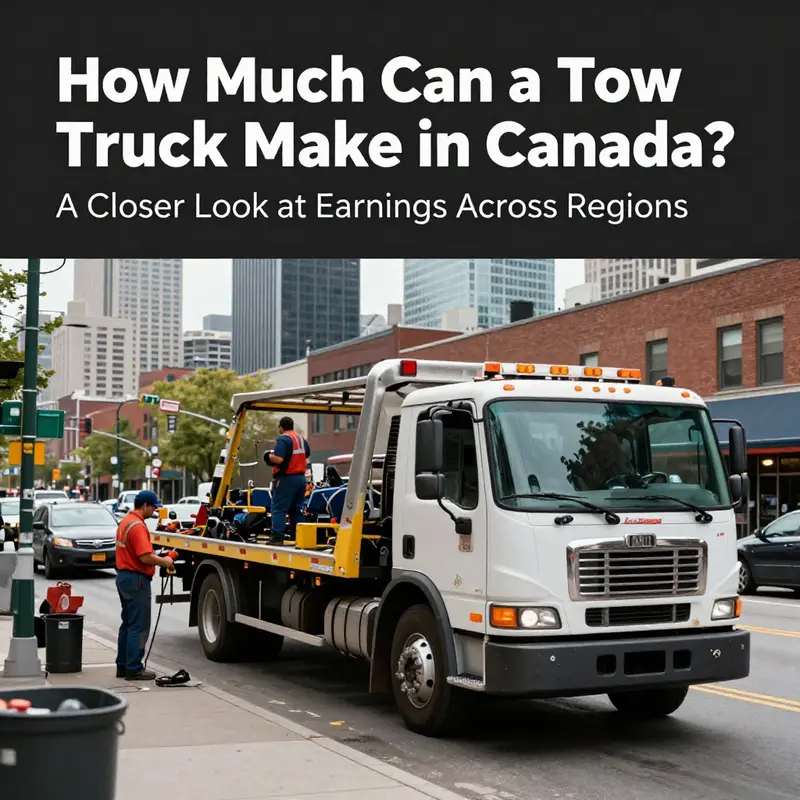
When you picture a tow truck rolling onto a scene, you might sense a blend of urgency and routine—the pull of a crisis answered with methodical, careful work. The pay that supports that life, however, is not fixed. It shifts with geography, experience, and the employer’s particular demands. In Canada, the national picture places an average base wage around the mid-teens per hour, but the real story is a mosaic of pockets where drivers can earn far more—or less—than the national figure. As of December 2025, the average hourly wage hovers near $17.75, a figure drawn from hundreds of reported salaries that captures a broad spectrum of roles, from light-duty roadside assistance to heavier recovery work. This is more than a statistic; it’s a benchmark that reflects the everyday realities of the industry: the hours, the weather, the on-call shifts, and the ever-changing geography of demand. For someone weighing a career in towing, it’s a starting point, not a destination. The true earning potential comes into sharper focus when we zoom in on provinces, cities, and the kinds of assignments a driver accepts that can push pay above the baseline.
Take British Columbia, where the provincial average is just a notch above the national average at about $17.85 per hour. The province reports a substantial volume of salaries—189—so the data captures a broad cross-section of work in coastal urban centers and more remote communities. Alberta, by contrast, sits about 10 percent below the national mark, at roughly $16.01 per hour, based on 131 salaries updated in late 2025. It’s a striking reminder that even neighboring provinces can deliver markedly different earning realities, shaped by local demand, the density of fleets, and the mix of road conditions and incidents that require tow services. These provincial differentials matter because they change the calculus for a driver deciding where to build experience, or for someone contemplating a move to maximize take-home pay.
The daily arithmetic of a tow truck job also varies by city and by the type of tow work a company emphasizes. Some postings reveal eye-catching hourly rates that sit well above the provincial and national averages. In Surrey, British Columbia, one local firm lists $39.50 per hour, while Calgary, Alberta, hosts postings reaching up to $39 per hour. In Chestermere, just outside Calgary, another employer advertises $36.10 per hour. These numbers aren’t isolated curiosities; they reflect the reality that in certain markets, demand for rapid, reliable on-scene recovery can push wages higher, particularly when drivers are required to handle specialized equipment or fast-response situations. The patterns in Ontario aren’t uniform, but in Whitby, a prominent local employer offers a full-time range of roughly $50,000 to $80,000 per year. Those annual figures show how the same hourly role can translate into a materially different annual package when a driver works full-time, takes on call, or handles a larger fleet’s workload across seasons and incidents.
Beyond these headline figures lies a set of nuanced possibilities that can tilt earnings in meaningful ways. For example, JB Towing & Recovery points to an average yearly pay of about $68,144 for tow truck drivers in Canada—roughly 9 percent above the national average—though this figure rests on a small sample of three employees. Such a data point illustrates how a combination of experience, location, and employer practices can yield a higher baseline for some drivers. In practice, a driver’s earnings are not merely about the hourly rate but about the total compensation package: regular overtime opportunities, shift differentials for evenings or weekends, on-call premiums, and the volume and complexity of calls that a company assigns. In a market where a single long tow or a heavy-duty recovery can take several hours, hours paid at a higher rate for the more demanding work can accumulate quickly, contributing to an annual income that surpasses the simple multiplication of base hours.
When you consider the spectrum of Canadian pay, a useful takeaway is that there is a low end and a high end—roughly a starting point near $15 per hour in some regions, to $39.50 per hour or more in certain high-demand markets. The upper end isn’t a rare anomaly; it reflects the demand signals in places where fleets are busy, the weather is harsh, and incidents or specialized recovery tasks require experienced drivers who can manage complex equipment and tight timelines. The top earners often operate in markets with heavy incident rates or in roles that require specialized classifications, such as Class 3 drivers in certain heavy-tow contexts, where the scarcity of qualified personnel pushes pay upward. Fort McMurray, known for its industrial activity and challenging road conditions, is frequently cited in the broader landscape as a market where highly skilled drivers can command more while meeting a demanding workload. Taken together, these data points form a framework for thinking about what a tow truck driver can earn in Canada, while also pointing toward strategies that can lift an individual’s income over time.
Experience and tenure matter, but so do the choices made about where to work and what kind of towing a driver specializes in. Early in a career, a driver might find comfort in the steadiness of a local fleet and a predictable call volume. As skill grows, there can be a move toward more complex or heavier recovery tasks, which often come with higher pay. In practice, shifting from standard roadside assistance to heavier-duty or accident-response work can translate into meaningful compensation differences. The difference between a city with an almost constant stream of light-duty tows and a region where heavy-duty recoveries dominate can be dramatic. In some Canadian markets, the rate ladder extends beyond hourly wages. A driver who takes on more on-call shifts, or who works a mix of daytime and nighttime shifts, may accumulate premium pay for off-hours. The net effect is that a driver’s annual earnings aren’t a simple function of weekly hours; they reflect a blend of hours, tasks, on-call requirements, and the incentives that employers attach to high-demand periods.
For someone mapping a career path, the data suggest a practical approach to maximizing earnings. If you’re starting out in a province with a lower base pay, consider opportunities to diversify your experience: take on higher-demand shifts, learn to handle heavier tow equipment, or pursue certifications that unlock access to more specialized recovery work. The availability of high-rate postings in places like Surrey or Calgary underscores a broader truth: geography matters as much as ability. Relocating to a city with a dense fleet network and robust incident volume can provide a faster route to higher hourly rates and more comprehensive compensation packages. The decision isn’t only about the numbers; it’s about the rhythm of the work, the hours you’re willing to commit, and the stability of the employer who provides the platform for your earnings. In addition to on-the-job learning, some drivers benefit from viewing the towing industry as a long-term career rather than a short-term gig. Building a reputation for reliability, safety, and efficiency can translate into more lucrative assignments, referrals, and a steady stream of calls in a region where demand rarely dips to zero.
For readers who want a window into the broader labor-market context, it helps to look at real-time listings and industry analytics. The Indeed listings for Tow Truck Drivers in Canada illustrate current demand and wage expectations across the country, complementing the provincial and city data summarized here. While the numbers can shift, the underlying principle remains: earnings hinge on how actively a driver works, the type of towing performed, and the regional market’s appetite for skilled recovery work.
Internal resources can also offer practical insights into the day-to-day realities of the job and the surrounding industry. For readers who want to explore related topics and patterns in the towing space, there are industry pages that cover broader service offerings, company profiles, and career opportunities that intersect with pay dynamics. For a closer look at how a towing service operates and to gain a sense of potential growth paths in a workshop or fleet setting, you can explore a dedicated towing page such as mikes-towing. This kind of resource helps connect the numbers with the actual operations on the ground. And for those who want to see how the market values a Tow Truck Driver in Canada in real time, the external data from Indeed remains a key reference point, with listings that reflect the ongoing demand and wage evolution across provinces and cities. External data sources like Indeed can be a valuable companion as you weigh job offers, negotiate pay, or plan future moves.
In sum, the earning potential for tow truck drivers in Canada is not a flat line. It is a landscape shaped by location, the scale of the employer, the type of towing performed, and a driver’s willingness to take on on-call obligations and specialized assignments. National averages provide a baseline, but the real picture emerges when you examine provincial norms, city-specific postings, and the annual compensation that comes from full-time, opportunistic, or specialty roles. For someone contemplating a career in this field, the numbers tell a story of opportunity, with room to grow through strategic choice of location, specialization, and the willingness to leverage the hours and scenarios that reward experience and reliability. To navigate this landscape successfully, stay curious about regional demand, invest in relevant training, and monitor current listings that reflect how the market values the practical skills you bring to the tow truck. The payoff can reflect not just the hourly rate but a broader compensation culture that rewards consistency, speed, and a proven ability to manage challenging incidents with care.
External resource: https://ca.indeed.com/jobs?q=tow+truck+driver&l=Canada
Across Borders and Roadways: Tow Truck Driver Earnings in the United States and Australia
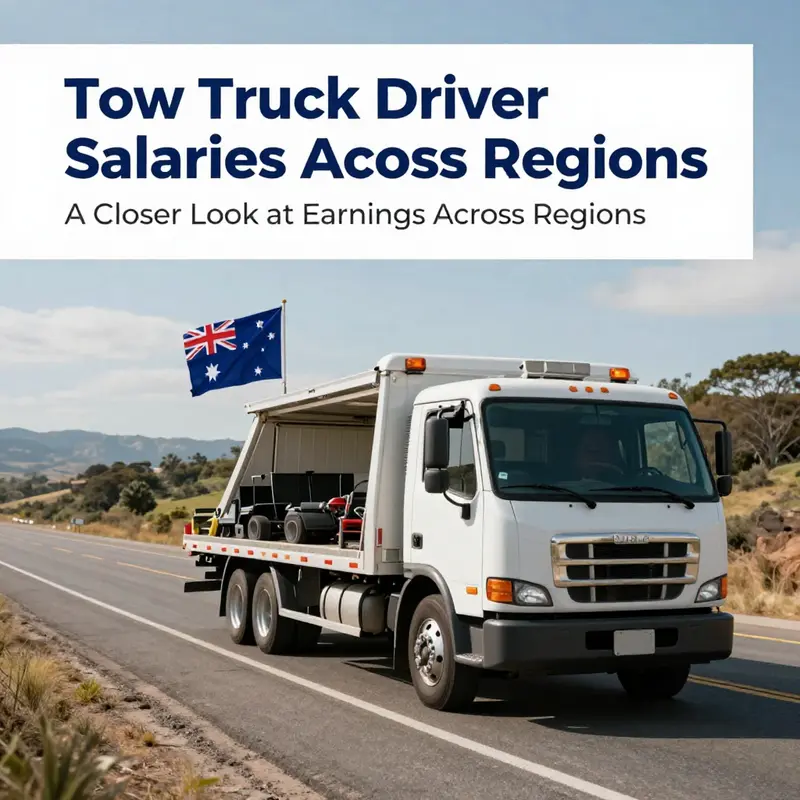
Pay, pay structures, and how much a tow truck driver can earn are shaped as much by where you work as by the type of towing you do. This chapter threads together the numbers from two very different labor markets—the United States and Australia—while keeping sight of the practical realities that drivers feel on the road. It’s not only about the hourly rate or the annual salary; it’s also about shifts, on-call obligations, overtime, benefits, and the hidden costs and opportunities that come with each job. By laying out the arithmetic side by side with the real-work scenarios, we can glimpse a fuller picture of what “getting paid” really means for tow truck drivers across two countries and a range of cities, fleets, and schedules. The data we lean on come from Indeed’s salary reports, which aggregate driver-reported wages for the past several years, and from well-scraped regional snapshots that highlight how a single occupation can look dramatically different depending on where you hang your hat and how you run your shift.
In the United States, the average tow truck driver earns about $21.46 per hour. That figure places the occupation roughly 8 percent above the national median for all occupations, a modest premium that reflects the job’s combination of physical demand, irregular hours, and the potential for on-call work. It’s important to bear in mind that averages smooth over a lot of variation. The same dataset shows that some drivers pull in less than $15 per hour in regions with lower demand or fewer hours, while others land significantly higher wages in busy urban markets, specialized fleets, or companies that compensate for on-call time, late-night shifts, or weekend work. The practical implication for a driver considering long-term earnings is that the raw hourly number is only part of the story. A driver who works full time, clocks in overtime, and negotiates a schedule with regular weekend night shifts can move far beyond the simple average, especially when the employer offers benefits, end-of-year bonuses, or overtime opportunities that add up over a year.
Across the Atlantic in Australia, the picture has its own cadence and scale. The data show an average annual salary of AU$75,969 for tow truck drivers, a figure that translates to a different rhythm of work from the American side of the Pacific. When you break that down into hourly terms under a common 50-hour workweek, the arithmetic lands around AU$25.28 per hour. That rate sits within a higher bracket than many entry-level U.S. positions and reflects Australia’s wage structure, the cost of living, and the hours drivers often work, including extended shifts and on-call requirements in certain regions. It’s worth noting that Australia’s pay is not uniform; wages vary by state, city, fleet type, and whether the work is light towing, heavy-duty recovery, or accident-scene response. Some drivers may earn more through overtime arrangements, shift differentials, or longer-term contracts with busier service providers. Yet even with these variations, the Australian figure represents a solid baseline for planning a career, budgeting, or evaluating the tradeoffs between stability and the earning potential that comes with more demanding hours.
Putting the US and Australian numbers side by side invites a broader reflection on what “earning capacity” for tow truck work really means. First, currency matters. The nominal figures in local dollars are not directly interchangeable, and exchange-rate shifts, inflation, and regional living costs color every comparison. A driver who earns AU$75,969 annually in Australia may face a different cost of living than a driver on roughly US$44,000 in the United States. That gulf matters to real purchasing power and to decisions about housing, transportation, insurance, and savings. Second, work structure matters as much as the rate. In both countries, the base pay often comes with irregular hours—overnight calls, holidays, and weekend demand peaks that can boost overall take-home pay but reduce personal time and raise fatigue. A driver who accepts extra on-call shifts can push annual earnings higher, yet those hours exact a price in sleep and family time. Some drivers, especially those who own their fleets or operate as independent contractors, can command higher gross earnings per job but shoulder greater overhead, maintenance, and business risk. Conversely, company-employed drivers with robust benefits packages might find steady, predictable pay and health coverage offsets that raw hourly wages do not capture. The contrasts reveal that money, in this occupation, is as much a function of how you work as where you work.
If we widen the lens to consider career trajectories, a few patterns emerge that help explain why two drivers in the same city might earn very different totals. Experience matters. A driver with several years in a busy urban yard, cross-trained in light towing, heavy-duty recoveries, and on-scene specializations tends to command higher rates than a newcomer who is just learning the ropes. Certification and safety training also matter. Employers value drivers who can navigate complex scenes safely, operate varied equipment, and manage hazardous materials or difficult recoveries without escalating risk. In many markets, those capabilities translate into premium pay, faster job turnover, and better job security. Another driver of earnings is the workforce model. Independent operators who own a small fleet or work as on-demand contractors may secure higher per-job payouts, but they shoulder duties that range from dispatch coordination to vehicle maintenance and insurance. In contrast, corporate fleets may offer more predictable hours, more consistent benefits, and more structured overtime policies, which can stabilize earnings even if the gross rate sits a notch lower. The bottom line is that the numbers tell a story of two economies, but the broader narrative is about choice, trade-offs, and the kind of schedule that best matches a driver’s life and financial goals.
The chapter’s numbers also illuminate how pay interacts with regional demand. In the United States, labor markets in major metropolitan areas tend to offer higher hourly rates, reflective of tighter labor supply, higher living costs, and the necessity of rapid response in high-traffic zones. In Australia, the same dynamics can drive elevated pay in bustling cities and ports, where road incidents, heavy vehicle operations, and complex recoveries keep tow crews working around the clock. Yet in more rural or industrial regions, the economic calculus shifts downward, tempered by fewer on-call hours and different fleet structures. These patterns reinforce a practical point for anyone considering the field: while the headline averages are instructive, the most meaningful forecast of your earnings rests on the specific job you accept, the hours you commit to, and the region where you operate.
It is also worth tying these insights back to what people usually want to know—how much can a tow truck driver actually take home each year? In the United States, a typical full-time driver who stacks a standard week with consistent hours and modest overtime might find annual earnings in the range of roughly forty to sixty thousand dollars before taxes and benefits. Those who regularly work peak-demand periods or who gain access to premium routes can climb higher, provided they manage the costs that come with longer hours or ownership responsibilities. In Australia, the global data suggests an annual figure near AU$76,000, but as with the United States, the distribution around that mean can swing widely depending on state, city, and the specifics of the job. The same theme runs through both countries: pay is real and meaningful, yet it does not come from a single, static source. It flows from a blend of hourly rate, overtime, on-call duties, shift patterns, contract type, benefits, and personal choices about which opportunities to pursue.
For readers who want to translate these numbers into real-life decisions, a practical path is to consider three pillars: the kind of towing you want to specialize in, the labor market you’re entering, and how you want your work life to fit with other priorities. If you’re drawn to fast-paced urban operations with a mix of light and heavy towing and you’re willing to sacrifice some weekends for higher hourly rates, you might pursue roles in larger fleets or on-call teams that promise both higher pay and more variability. If you prefer stability, a consistent schedule, and comprehensive benefits, joining a company with established overtime policies and good family-friendly scheduling could be the right move, even if the base rate is a notch lower. And if you’re entrepreneurial—interested in owning a fleet or starting a small service—you could leverage higher per-job earnings with the responsibility for maintenance, insurance, and customer acquisition. Either way, the numbers provide a foundation, but the fit between your life, your energy, and your career ambitions ultimately determines how those dollars accumulate over time.
To connect these ideas back to tangible choices and career planning, consider how this topic aligns with the broader article on earning potential. The United States and Australia illustrate two different labor-market ecosystems, yet they share a core truth: income in tow work is a function of demand and hours as much as base rates. If you want a practical glimpse into how pay translates into a local opportunity, you can explore a nearby provider’s services to see what a typical day looks like in a real shop: towing-service-houston. This link offers a sense of the kinds of schedules, dispatch patterns, and on-call demands drivers experience in a day-to-day setting, grounding the numbers in lived experience rather than abstract averages.
External resource: for a broader data point on the U.S. market, see the Indeed data on Tow Truck Driver Salaries in the United States: https://www.indeed.com/cmp/Towing/salaries/tow-truck-driver-salary
Final thoughts
Understanding the earnings potential of tow truck drivers in Canada, the United States, and Australia provides invaluable insights for business owners. Being aware of the salary ranges, including higher-paying regions and positions, aids in creating effective recruitment and retention strategies. By offering competitive wages, you ensure that you attract skilled drivers who can enhance your towing operations, ultimately leading to better service quality and customer satisfaction.