
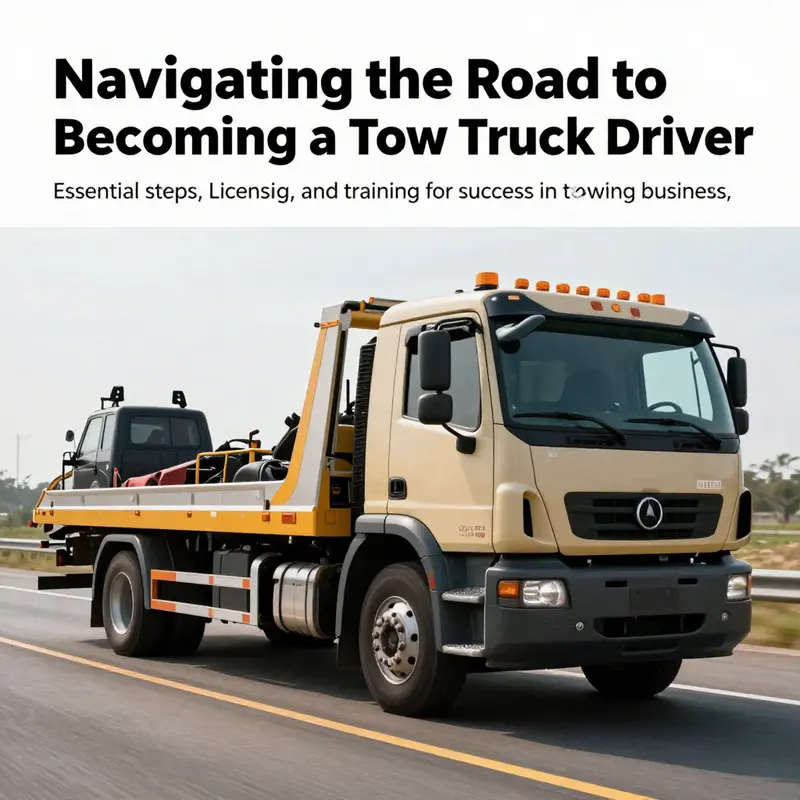
Becoming a tow truck driver involves more than just driving a heavy vehicle. It requires meeting specific age, licensing, training, and certification requirements that ensure safety and professionalism in the industry. This guide outlines the necessary steps to enter this vital profession, from understanding the legal prerequisites to exploring career opportunities. Each chapter delves into distinct aspects of becoming a tow truck driver, including the importance of age and licensing requirements, the necessity of training and certifications, and the diverse employment and career prospects available within the towing industry.
Road-Ready at 18: Navigating Age, Licensing, and the Road to a Tow Truck Career
Becoming a tow truck driver is about more than learning how to winch and secure a vehicle. It starts at the gate where age and licensing decide who may even approach the work. In many places, you must be at least 18 years old to apply for a tow truck driver license, with some commercial operations requiring you to be 21 or older. The exact thresholds vary by location, so the first step is to map out the rules where you plan to work. The practical upshot is simple: if you’re still a minor, you’ll need to wait; if you’re an adult, you begin lining up the credentials that put you on the road, literally and legally.
Hanging behind that threshold is the necessity of a valid driver’s license. For everyday towing tasks, a standard license—often a Class C in the United States—is usually the starting point. Yet towing heavier or larger vehicles expands the requirements. The common next milestone is a Commercial Driver’s License, or CDL, with class distinctions that reflect the weight and type of loads you’ll handle. A Class B CDL is frequently the minimum for many tower operations that involve medium-duty tow trucks and heavier trailers, while Class A may be required for the heaviest sets where you’re moving combination units or heavy equipment. The precise class you need is a function of the vehicles you’ll be certified to tow and the jurisdictions that will license you. In practice, obtaining the proper CDL means studying for a written knowledge test and then demonstrating proficiency on a skills test. The journey from learner to licensed operator hinges on passing these two gatekeeping tests and meeting all medical and safety standards that govern CDL issuance.
Even as you pursue this license, the process tests your character and reliability. Employers typically perform background checks to verify a clean criminal record and a history of safe driving. A solid driving history is more than a line on a sheet; it’s a reliable signal to potential employers that you can handle the stress, unpredictability, and responsibility that come with helping stranded motorists. In addition to background checks, many operators require a drug screening as part of the application or onboarding process. The combination of a clean record and a clean slate signals that you’re prepared to meet the safety expectations that the job demands. It’s not just about passing a test; it’s about proving consistent, responsible behavior behind the wheel.
The path toward licensing is also a reminder that the rules aren’t universal. Some regions impose stricter age limits or additional licensing steps based on local traffic regulations and labor standards. A vivid example is Hong Kong, where applicants must be at least 21 and must first obtain a learner’s license before progressing to probationary or full driving authority. The long arc in such places underscores a broader truth: becoming a tow truck driver isn’t a one-size-fits-all process. It’s a negotiated journey that depends on the exact jurisdiction, the kind of towing work you intend to perform, and the regulatory framework the local authorities have put in place. Given these nuances, the best plan is to consult the local Department of Motor Vehicles or its equivalent to confirm the precise requirements for your area. This local-sourced clarity is invaluable, especially when you’re balancing ambitions with the practicalities of licensing timelines and qualification exams.
Once the foundational licenses are secured, the practical side of readiness comes into sharper focus. Formal schooling isn’t always mandatory, but it’s highly recommended. Some trainees enroll in vocational programs or dedicated tow-truck driving courses to learn vehicle recovery techniques, winching procedures, and the safety protocols that protect both the driver and the vehicle being recovered. On-the-job training is common too; many employers onboard new drivers and teach them the ropes through real-world experience under supervision. The advantage of formal or structured training is not merely in mastering the mechanics of towing but in internalizing a safety-first mindset that governs every pull, hook, and winch operation. In addition to the core driving and recovery skills, there are optional certifications that can enhance employability. Defensive driving training, for example, helps build the habit of risk awareness that’s vital when you’re operating near traffic, on slippery roads, or in challenging environments. If you ever encounter hazardous materials transport as part of a tow, certifications related to handling hazardous goods can be relevant, though not universally required.
For those who want to accelerate tangible experience, there is value in seeking roles that introduce you to the rhythm of roadside assistance. A position in a roadside or wrecker service can provide early exposure to the kinds of scenarios tow truck drivers handle—flat tires, dead batteries, vehicle immobilizations, and the coordination with police or tow yard operations. Such roles lay a practical foundation that complements the formal exams and the CDL process. They also offer the chance to demonstrate reliability, customer service aptitude, and steady decision-making under pressure—traits that future employers weigh as heavily as certifications.
As you navigate these steps, a single, steady throughline remains: the importance of a well-structured plan. Start by clarifying the licensing requirements in your area, then chart a realistic path to meeting them. If you’re unsure where to begin, a trusted first move is to speak with a local licensing authority and request the latest requirements for tow-truck operators. Gather the necessary documents, prepare for the knowledge test, and set a timetable for when you’ll attempt the road skills exam. Build a practice plan that includes safe driving, proper use of winches, and a solid understanding of safety protocols. And remember that a strong employment prospect often hinges on combining licensing with hands-on experience and a calm, responsible demeanor when engaging with distressed motorists.
For a practical starting point that aligns with the path described here, you can explore a local roadside service resource that helps newcomers gain early exposure to the trade. See mikes-roadside-service for a sense of how this work unfolds on the ground, and consider how similar experiences might feed into your own journey toward becoming a tow truck operator. While the exact path will differ by region, the underlying sequence remains consistent: meet age and licensing requirements, secure a CDL when needed, pass background and safety checks, pursue hands-on training, and continually cultivate a safety-focused approach to every call.
External resources can provide further clarity about the licensing tests, the order of steps, and region-specific nuances. For a detailed guide that complements this discussion, you can consult industry guidance such as the overview provided by Indeed on how to become a tow truck driver, which outlines the essential steps and considerations for aspiring professionals. https://www.indeed.com/career-advice/finding-a-job/how-to-become-a-tow-truck-driver
null
null
Tow Paths: Crafting a Professional Career as a Tow Truck Driver
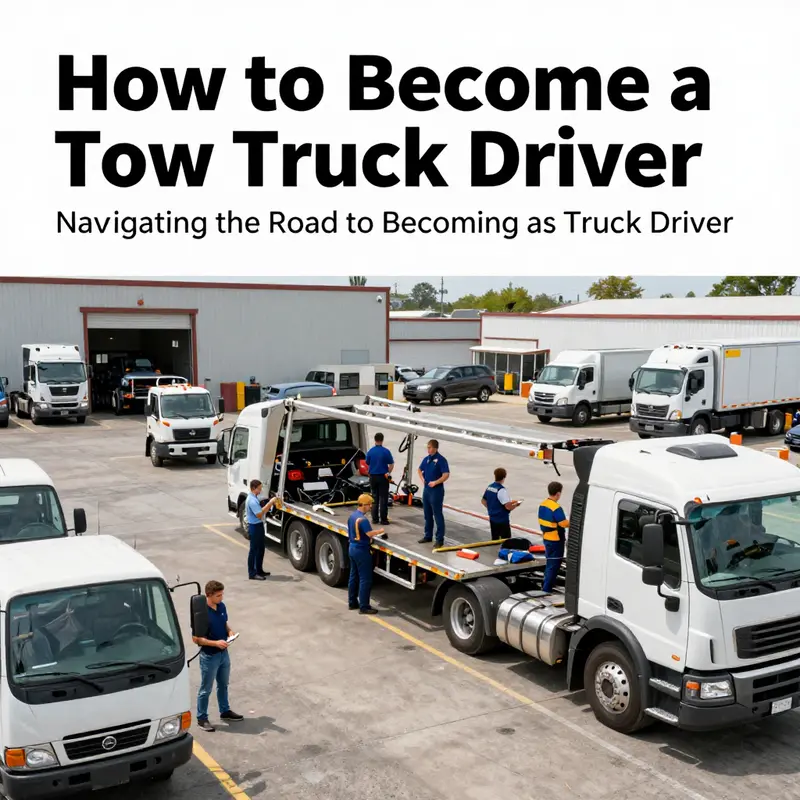
When you consider a life spent answering roadside calls, a tow truck driver’s job starts to look less like a stopgap and more like a solid, hands-on career. It blends problem solving with physical discipline, technical know‑how with people skills, and a willingness to be on duty when others are stressed and stranded. The work centers on keeping people moving and vehicles out of danger, whether a car has broken down in a quiet cul‑de‑sac or a tractor‑trailer has slid across a slick interstate. Across urban streets and rural highways, the demand for dependable towing services has grown as roads get busier and traffic logs more complex. This chapter traces a practical path into that field, from the basics that gate you in to the choices that shape your long‑term prospects, earnings, and potential to advance.
At the outset, a tow truck career is governed by clear legal and safety requirements. Most employers require you to be at least 18 years old, though some operations—especially those handling larger trucks or hazardous materials—may set the minimum at 21. A valid driver’s license is non‑negotiable. In the United States, that means you need a standard license to begin, with many fleets looking for more. The real gateway is a Commercial Driver’s License, or CDL. Depending on the kind of tow work you expect to do, you’ll be aiming for a Class B or a Class A CDL. A Class B covers straight trucks, buses, and many tow trucks, while Class A opens doors to combination vehicles and heavier tows. In both cases, the license is a symbol of readiness to handle the weight and the responsibility that comes with moving other people’s property on the road.
Beyond the license, a clean record matters as much as any badge. Background checks are standard, focused on safety history and driving discipline. A fleet with insurance concerns wants to know you have a history of safe driving and trustworthy conduct. Even once you’re hired, maintaining a clean driving record is essential. Chronic violations or serious offenses can block advancement and even lead to job loss, so steady, responsible behavior behind the wheel becomes your best résumé.
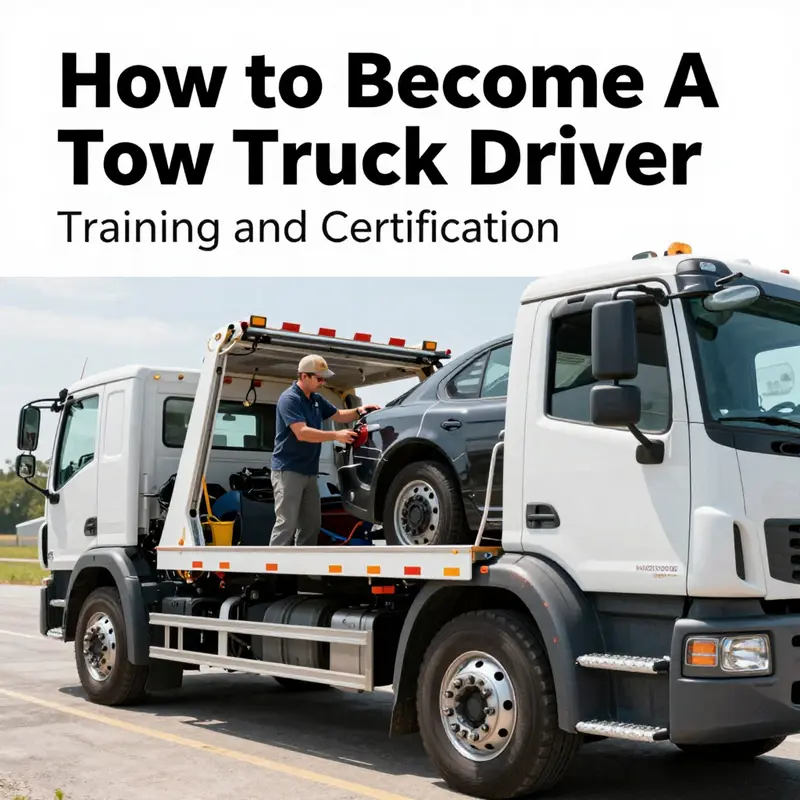
Training is a pivotal, and often underestimated, part of the journey. Formal schooling isn’t universally mandatory, but it can be a decisive advantage. Many drivers begin with on‑the‑job training that ships you directly into the mechanics of towing. You’ll learn to operate the specialized equipment that defines the trade: winches, dollies, hydraulic lifts, and the careful choreography of securing a vehicle for transport. You’ll also discover the safety protocols that keep you and your customers out of harm’s way, from wheel chocks and stabilizers to the use of beacons and proper positioning on the roadway. A vocational program or a dedicated tow‑truck course can compress years of trial and error into a structured curriculum, delivering a more confident start and a faster route to independent work.
Even when formal training isn’t required, acquiring additional certifications can tilt the odds in your favor. Defensive driving courses, for example, sharpen risk awareness and customer communication under stress. Certifications related to hazardous materials handling matter if your tows involve vehicles carrying dangerous goods. While not universally demanded, these credentials signal to employers that you can handle complex or sensitive situations with poise.
The path to a steady start typically involves building experience with seasoned drivers. Entry‑level roles let you observe dispatch patterns, learn how to assess roadside scenarios, and practice the art of safe vehicle recovery. You’ll gain exposure to a spectrum of vehicle types—from compact cars to heavy trucks—and you’ll learn to adapt to the realities of different tow setups, road conditions, and time pressures. The more you learn under supervision, the more self‑reliant you become. As skills accumulate, you’ll navigate tougher jobs, manage more intricate winching tasks, and refine your judgment about the safest approach in challenging environments.
The job landscape for tow truck drivers is shaped by ongoing demand for reliable service. In regions with high traffic, accident rates, or frequent vehicle breakdowns, fleets compete for skilled drivers who can respond quickly and handle stressful scenes with calm competence. Earnings reflect location, experience, and the employer’s structure. The U.S. Bureau of Labor Statistics has noted steady demand in this field, with median wages in the mid‑$40,000s and the potential for higher earnings in busy markets and with overtime. Top earners can surpass $70,000 annually, especially when shifting schedules, accepting long runs, or taking on supervisory roles. In many cases, full‑time positions include benefits such as health coverage, paid training, and predictable scheduling, making the role more than a series of urgent calls; it can become a stable career with predictable growth.
Career progression often moves beyond the wrecker itself. With experience, a driver can become a dispatcher, coordinating fleets and optimizing response times to serve customers efficiently. Others move into fleet management, where decisions about maintenance, staffing, and safety programs shape the operation’s reliability. An independent path exists as well: some drivers grow into owning or operating a towing business, handling everything from marketing and licensing to insurance and customer relations. In pursuing these tracks, specialized certifications—such as advanced accident reconstruction, heavy‑duty tow expertise, or hazmat handling—can sharpen your competitive edge and unlock additional opportunities.
As you plan your entry, think of the first job as both a learning platform and a proving ground. You’ll be asked to demonstrate punctuality, a respectful demeanor with customers in distress, and a practical grasp of safety protocols. You’ll learn to balance the urgency of a roadside rescue with the methodical care required to secure vehicles, prevent damage, and protect other road users. Your toolbox will expand: not just the physical tools of the trade, but the soft skills that keep clients confident and crews cohesive during night shifts or in adverse weather.
If you’re ready to explore a hands‑on entry path or you want a model of how a local fleet organizes its operations, consider looking at established local services. For example, Mikes Towing offers a practical glimpse into how a tow company builds its team, trains newcomers, and scales up as demand grows. Mikes Towing illustrates how a driver progresses from supervised towing tasks to more complex recoveries and, eventually, to broader responsibilities within a fleet.
For readers seeking additional guidance and a broad outline of the licensing steps, another reliable resource is a well‑regarded external guide that breaks down requirements, wages, and training pathways in clear terms. Indeed’s guide to becoming a tow truck driver provides a concise, practical supplement to this chapter, outlining how to approach licensing, endorsements, and job searches in a way that complements the practical, hands‑on advice presented here. You can explore that resource at this link: https://www.indeed.com/career-advice/finding-a-job/how-to-become-a-tow-truck-driver.
In the end, becoming a tow truck driver is less about a single breakthrough and more about a steady accumulation of competencies, reliable judgment, and a readiness to serve others in moments of stress. It is a career that pays off in the satisfaction of restoring mobility and safety on the road, while offering room to grow within the industry or to chart an independent course. Your journey starts with meeting the basics, then moves through training and practice, and finally culminates in the confidence to handle the road, the vehicle, and the people who depend on you. The road to a tow truck career is, in a very real sense, a road you build as you drive it.
Final thoughts
Becoming a tow truck driver is a multifaceted journey that encompasses understanding the legal requirements, obtaining the necessary training, and recognizing the diverse career opportunities available in the towing industry. By following the outlined steps regarding age, licensing, and training, aspiring drivers can set themselves on a path to success. This vital role not only offers stability and growth but also allows drivers to support motorists during their time of need, making a significant impact on road safety and assistance.