
Introduction
“How do I get a tow truck license?” This is a crucial question for anyone looking to venture into the towing industry. In a market that demands professionalism and adherence to safety regulations, obtaining a tow truck license is not merely a formality-it is a fundamental step for business owners. A valid license not only ensures compliance with local laws but also acts as a testament to your commitment to providing safe and reliable towing services.
As the towing industry continues to grow, so does the competition among service providers. With the rise of various towing companies, including those that offer specialized services like roadside assistance and local towing solutions in areas such as Houston, having a proper licensing can help set your business apart. It builds trust with your clients, ensuring them that you are operating legally and professionally, which can significantly improve your reputation and customer base.
In this guide, we will explore the steps necessary to obtain a tow truck license, the requirements that must be met, and the benefits that come along with achieving this essential certification for your towing business.
Owning and operating a towing business comes with a variety of responsibilities, many of which hinge on adhering to legal and safety regulations. One critical aspect of establishing a successful towing operation is obtaining a tow truck license. This license is not just a legal formality; it is essential for several key reasons that contribute to the sustainability and credibility of a towing business.
Legal Compliance
First and foremost, a tow truck license is a legal requirement in most regions. Operating a towing service without a proper license can lead to expensive fines, legal actions, and even the shutdown of the business. Depending on local laws, failure to comply can have severe repercussions, including the loss of insurance coverage and a damaged reputation, which can be hard to recover from. Licensed operations are authorized to tow vehicles under specified guidelines, ensuring that the business operates within the law. For instance, businesses may need to prove they have suitable insurance and adhere to safety regulations, which vary by location.
According to the National Towing Association, holding a valid towing license allows companies to access more opportunities, such as contracts with municipalities and law enforcement. This compliance opens doors to emergency response networks and government contracts, which can be lucrative for business growth.
Safety and Training
A tow truck license also signifies that the operators have met specific safety training requirements. This training is crucial for minimizing the risk of accidents on the road, which can be hazardous not only for tow truck drivers but also for other motorists. The license often mandates that drivers undergo thorough training to learn best practices for operating a tow truck, handling vehicles safely, and responding to emergency situations effectively. As noted by the U.S. Small Business Administration, these training requirements enhance the credibility of licensed towing companies and instill confidence in customers, knowing their vehicles are in the hands of trained professionals.
Building Trust and Credibility
Having a tow truck license contributes significantly to building trust and credibility within the community. Customers are more likely to choose a licensed towing service over an unlicensed one because it points to professionalism and a commitment to safety. In a market where reputation can make or break a business, licensed tow truck companies often enjoy a competitive edge. They are preferred by insurers, clients, and business partners due to verified compliance with local regulations.
Conclusion
In conclusion, securing a tow truck license is a foundational step for business owners in the towing industry. It not only ensures legal compliance and operational safety but also builds trust with customers. As a business owner, it’s crucial to prioritize obtaining the necessary licenses to operate effectively and sustainably. For those interested in starting a towing business, understanding the importance of licensing is vital to long-term success. If you’re looking for comprehensive roadside assistance in Houston, consider checking out Mike’s Roadside Service for reliable towing solutions.
This section emphasizes the critical role of having a tow truck license for business owners in the towing industry, illustrating its benefits for legal compliance, safety, and credibility, which are essential for the sustainability of their operations.
A Step-by-Step Guide to Obtaining a Tow Truck License
If you’re a business owner wanting to venture into the towing industry, obtaining a tow truck license is a crucial step. This guide outlines the necessary procedures and documentation required to acquire your license legally and effectively.
1. Research the Requirements
Understanding the requirements for a tow truck license is essential, as these can vary by state. Generally, you will need to:
- Be at least 18 years old.
- Hold a valid driver’s license, typically a Class C license for light-duty tow trucks or a Class B license for medium-duty tow trucks.
- Check the local regulations to see if you need a specialized tow truck license.
You can learn more about the specific requirements on various official state transport websites. For instance, Transport WA’s guidelines provide detailed information based on your location.
2. Complete the Necessary Training
Many states require aspiring tow truck drivers to undergo training. Look for programs that cover:
- Vehicle operation and safety protocols.
- Customer service training for dealing with distressed drivers.
- Inspections and maintenance of towing equipment.
Training programs will also typically prepare you for the driving test you need to pass to obtain your license. You can refer to resources such as Indeed’s comprehensive guide that outlines necessary training programs for tow truck drivers.
3. Gather Required Documentation
Before applying, ensure you have all required documents ready:
- Proof of Identity: This can include a government-issued photo ID.
- Driving Record: Your driving history should be clear of serious offenses.
- Business Information: If you’re operating a towing business, you’ll need to provide proof of business registration.
- Proof of Insurance: Liability insurance is often mandatory.
4. Submit Your Application
Applications for tow truck licenses are typically submitted to the Department of Motor Vehicles (DMV) or a similar authority in your state. The application process usually involves:
- Filling out the application form completely.
- Paying any associated fees, which can vary by state.
- Submitting your driving record and training certificates.
If your application is accepted, you will receive a date for your driving test. You can view the specifics of the application process here.
5. Pass the Driving Test
Once you have completed the application and paid any fees, you will be required to pass a driving test. Prepare for this by:
- Reviewing local rules and regulations regarding towing.
- Practicing driving the tow truck, focusing on maneuverability and safety.
Make sure to bring your license and any required documents on the test day.
6. Obtain Your License
If you pass your driving test, congratulations! You will receive your tow truck license. Ensure you:
- Review the specific operating regulations in your state.
- Understand the renewal process, which often requires periodic checks and continuing education.
Conclusion
Obtaining a tow truck license may seem daunting, but by following these steps and preparing in advance, you can navigate the process smoothly. This license is not only necessary for legal operation but also vital for ensuring safety and professionalism in your towing business. For more information on related services, feel free to visit Mike’s Towing for additional resources.
State Requirements for Obtaining a Tow Truck License
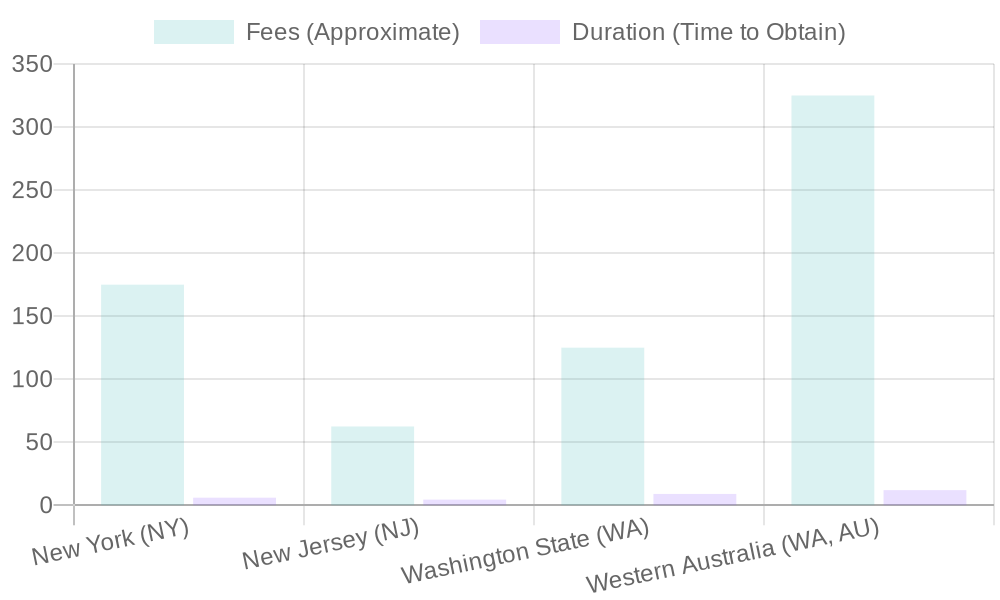
When considering the establishment of a towing business, understanding the licensing requirements across different states is crucial. Below is a summary table comparing the requirements for obtaining a tow truck license, including specific fees, durations, and additional requirements from select states.
| State / Jurisdiction | Fees (Approximate) | Duration (Time to Obtain) | Additional Requirements |
|---|---|---|---|
| New York (NY) | $150-$200 (DMV application + endorsement fee); additional $1,000-$2,000 for company license (if applicable) | 4-8 weeks | – Must hold a valid Class A, B, C, D, or E driver’s license |
- Pass written knowledge test (covers air brakes, towing procedures)
- Complete CDL permit application at DMV
- For tow truck companies: must obtain a Tow Truck Company License from NYC DCWP
- Required liability insurance coverage while registration is active (even if not in use) |
| New Jersey (NJ) | $50-$75 (for endorsement); $100-$200 for commercial vehicle operator license (if required) | 3-6 weeks | – Hold a valid NJ driver’s license - Must pass written exam on towing safety and regulations
- May require a physical exam and drug screening
- Commercial Vehicle Operator’s License (CVOL) may be required for commercial towing operations
- Insurance and bonding requirements vary by municipality |
| Washington State (WA) | $100-$150 (tow truck operator endorsement fee); $250-$500 for business license (if applicable) | 6-12 weeks | – Hold a valid Washington state driver’s license - Complete an approved tow truck driver training course (minimum 16 hours)
- Pass written and skills exams administered by WA DOL
- Background check and fingerprinting required
- Must maintain liability insurance ($1 million minimum recommended)
- Business must register with WA Department of Revenue and local authorities |
| Western Australia (WA, AU) | AUD $250-$400 (licensing fee); AUD $1,000-$2,000 for business license (if applicable) | 8-16 weeks | – Hold a current Australian driver’s license - Complete a recognized tow truck driving course (e.g., Towing and Recovery Training Program)
- Pass practical and theoretical assessments by the Department of Transport
- Provide proof of public liability insurance (minimum $10 million)
- For businesses: must register as a licensed towing provider with the Department of Transport and obtain a Towing Service Provider License |
For more specific details regarding licensing in your state, be sure to check your local transportation authority.
Additionally, you may want to learn more about Mikes Towing services to ensure you’re complying with all necessary regulations and requirements.
Infographic: The Growth of the Towing Industry and the Importance of Licensed Operators

Key Statistics:
- The global tow truck market was valued at USD 79.2 billion in 2023.
- Projected growth rate of 4.8% CAGR through 2030.
- Over 90% of towing operations are conducted by licensed professionals.
- Licensed operators play a crucial role in ensuring safety, compliance with regulations, and operational reliability.
This infographic highlights not only the rapid growth of the towing industry but also emphasizes the critical role that licensed operators play in maintaining industry standards and ensuring customer trust. For more information on towing services, check out our services in Houston or learn more about roadside assistance.
Training and Certification Programs for Tow Truck Operators
For business owners in the towing industry, ensuring that your operators are well-trained and certified is essential. Training programs and certifications not only enhance the skills of tow truck operators but also significantly contribute to the safety and reliability of towing services.
Types of Training Programs
-
Tow Truck Operator Training Course: Many institutions offer specialized courses focused on teaching operators the essential tasks involved in towing, such as securement techniques, emergency roadside recovery, and vehicle handling. These courses also cover state regulations and safety standards that operators must adhere to. For a comprehensive view, you can check out this Tow Truck Operator Training Course.
-
Commercial Driver’s License (CDL): In most states, operators must obtain a CDL to legally drive certain types of tow trucks. The U.S. Department of Transportation (USDOT) outlines the requirements, which typically include passing knowledge and driving tests, as well as satisfying specific age and health criteria.
-
ASE Certification: Offered by the National Institute for Automotive Service Excellence (ASE), this certification is designed for tow truck operators seeking higher credibility and knowledge in vehicle maintenance and repair. ASE certification demonstrates an operator’s qualifications in various areas, including advanced driving techniques and safety compliance.
Importance of Certification
Certification holds immense value for tow truck operators and businesses alike:
-
Enhanced Credibility: Certified operators are often viewed as more trustworthy by clients and employers, and they are more likely to be recognized by insurance companies and fleet management firms. According to the American Tow Truck Association (ATTA), certification enhances credibility in the eyes of those looking for reliable service.
-
Improved Safety Standards: Training programs emphasize critical areas such as load securing, hazardous material response, and emergency procedures. Proper training reduces the risk of accidents during towing operations, a major point highlighted by the National Highway Traffic Safety Administration (NHTSA).
-
Increased Job Opportunities: Certified operators typically enjoy higher rates of employment and wage growth. The Bureau of Labor Statistics indicates that certified tow truck operators earn 15-25% more than their non-certified peers, leading to better career advancement opportunities (BLS Statistics).
Conclusion
The pathway to becoming a reputable tow truck operator involves not just obtaining a tow truck license but also investing in training and certification programs. These qualifications are vital in today’s competitive towing industry, helping to ensure safety, boost job prospects, and enhance customer trust. For more information on professional training and reliable services, consider visiting Mike’s Towing.
Common Myths About Tow Truck Licensing
When it comes to obtaining a tow truck license, many business owners harbor misconceptions that can lead to confusion and mistakes. Understanding the truths behind these myths is crucial for successful towing operations. Here are some common misconceptions along with clarifications for each:
1. A Tow Truck License Is Universal
Clarification: One of the biggest myths is that a tow truck license is the same in every state. In reality, licensing requirements can vary significantly across states. Most states require specific permits and licenses for towing operations, and understanding your local regulations is essential. Learn more about towing licensing requirements.
2. Any Driver Can Operate a Tow Truck
Clarification: Some business owners believe that as long as their driver has a standard driver’s license, they can operate a tow truck. This is not true. Depending on the state, drivers may need additional endorsements or certifications to operate a tow truck safely and legally, particularly if it’s a larger vehicle requiring a commercial driver’s license (CDL).
3. Towing Companies Are Not Regulated
Clarification: Another common misconception is that towing companies are unregulated entities that can set their own prices and operate independently. In fact, reputable towing companies are licensed and often operate under strict regulations set forth by state and local authorities. This includes following laws regarding pricing, customer service, and safety protocols. It’s important to select licensed companies who adhere to these rules. Explore more about responsible towing services.
4. You Don’t Need Insurance for Your Tow Truck
Clarification: Many believe that a vehicle used exclusively for towing does not require insurance, which is a misunderstanding. Like any vehicle, tow trucks must have appropriate insurance coverage to protect against liability and damages. Insurance is often a requirement to obtain a towing license.
5. All Towing Services Charge the Same Rates
Clarification: Business owners may think that towing services operate under a fixed rate, but the reality is that towing fees can vary widely based on factors such as location, time of service, and the type of vehicle being towed. Transparency in pricing is crucial, and it’s important to check the laws regarding rates in your area!
6. Licensing Processes Are Quick and Easy
Clarification: Some individuals assume that obtaining a tow truck license is a straightforward process. However, many states have specific applications, background checks, and safety inspections that need to be completed, which can prolong the licensing timeline. Adequate preparation and understanding of the process are key.
By dispelling these myths, business owners can better navigate the licensing process and ensure compliance with state regulations while improving their operational effectiveness in the towing industry.
Importance of Licensing in the Towing Industry
Licensing is a crucial aspect of operating a towing business, not just for legal compliance but also for ensuring safety and professionalism. As emphasized by John Carter, a senior towing industry compliance expert, “Licensing is not just a legal formality-it’s the foundation of safety, accountability, and professionalism in the towing industry. Unlicensed operators pose significant risks to public safety, road users, and their own crews. Proper licensing ensures that tow operators have undergone rigorous training, understand vehicle standards, and are equipped to handle emergency and crash-towing scenarios safely.” (Source: Australian Towing Association).
This highlights the importance of ensuring operators are properly licensed and trained, which can significantly improve safety outcomes on the road.
Conclusion
Obtaining a tow truck license is not just a regulatory requirement; it is an essential step for business owners who wish to operate legally and professionally in the towing industry. Having the necessary licenses ensures that you comply with local laws and regulations, which can vary significantly by location. For instance, cities like New York require specific licenses issued by the Department of Consumer and Worker Protection to operate legally. These licenses not only protect your business from legal repercussions but also enhance your credibility with your clients, allowing you to build trust and foster a loyal customer base.
Additionally, possessing a tow truck license opens up opportunities for your business to partner with governmental and insurance companies, significantly expanding your potential client network. Without a license, you risk facing hefty fines and restrictions that can hinder your operations and growth.
As you consider the necessary steps to secure your tow truck license, it’s vital to engage in detailed research and planning. Resources such as the Tow Truck Company License Application Checklist can provide you with structured guidance tailored to your region. Furthermore, taking this step indicates your commitment to ethical practices within the towing industry.
We understand that the licensing process may seem daunting, but you don’t have to navigate it alone. At Mike’s Towing, we are here to assist you every step of the way. Contact our team at Mike’s Roadside Service today, and let us help you get on the path toward successful towing operations with a complete and compliant licensing strategy.
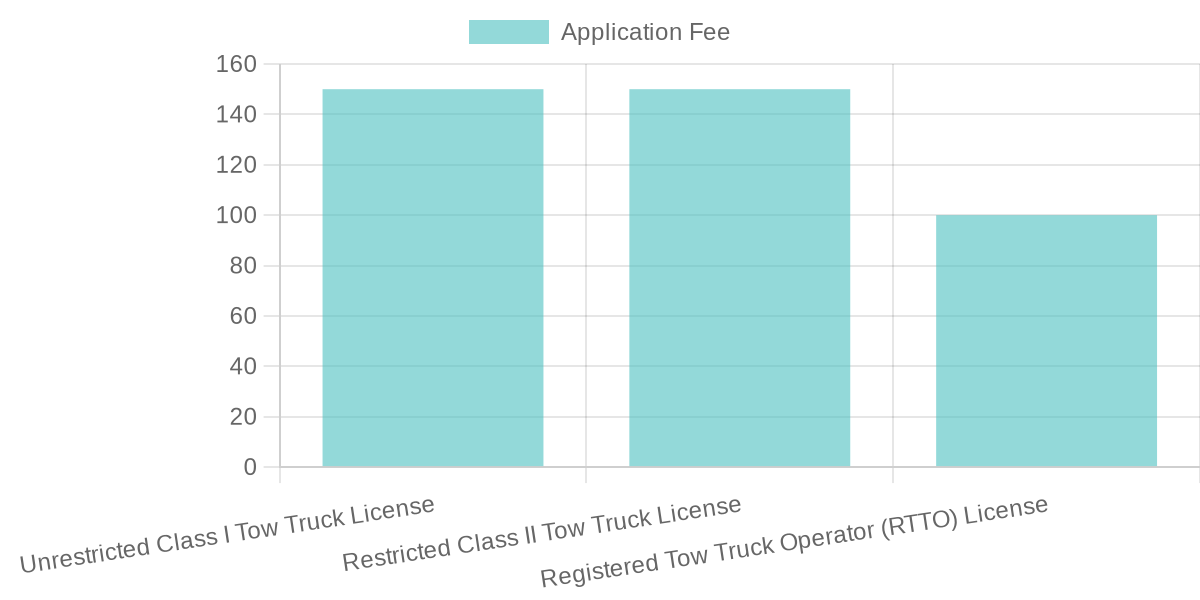
| State | License Type | Application Fee | Renewal Fee | Typical Processing Time | Source |
|---|---|---|---|---|---|
| New York (City of Mount Vernon) | Unrestricted Class I Tow Truck License | $150 | Not specified | A few weeks (for NYC applicants) | City of Mount Vernon, NY – eCode360 |
| New York (City of Mount Vernon) | Restricted Class II Tow Truck License | $150 | Not specified | A few weeks (for NYC applicants) | City of Mount Vernon, NY – eCode360 |
| Washington State | Registered Tow Truck Operator (RTTO) License | $100 | $100 | Not specified (application submitted in person) | Washington State Department of Transportation |