
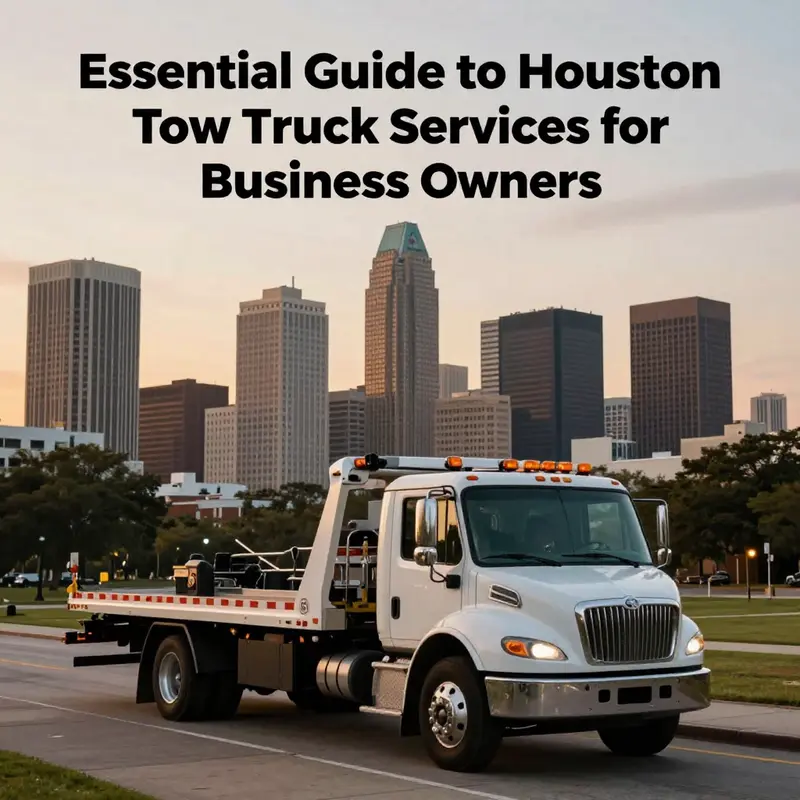
As a business owner in Houston, understanding tow truck services is crucial for ensuring your operations run smoothly. The vastness of this dynamic city often leads to unexpected vehicle issues that require immediate assistance. This article delves into the essential aspects of Houston tow truck services, providing insights into their relevance to your business. In the first chapter, we will explore the various towing services available in Houston, including their key features and customer satisfaction levels. The second chapter will highlight the advanced technologies and equipment that enhance towing operations. Together, these chapters will equip you with the knowledge necessary to utilize these services effectively and safely.
Tow Truck Reliability in Houston: A Practical Guide
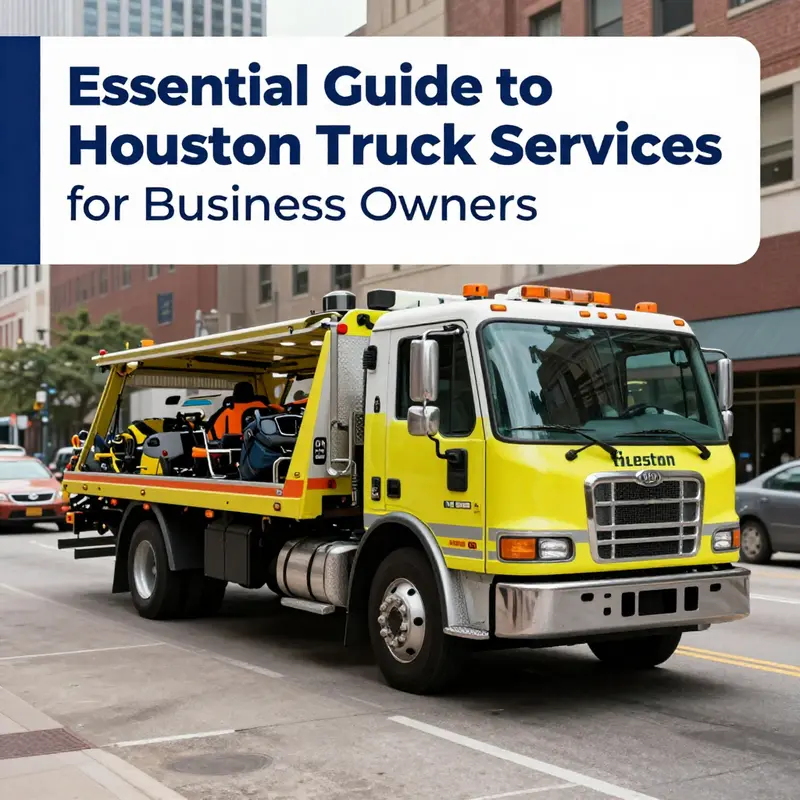
Houston’s towing ecosystem is a critical support network for drivers, fleets, and residents. A good provider emphasizes licensed operation, adequate insurance, transparent pricing, and clear communication from first contact to final delivery. When a breakdown occurs, a professional tow operator should verify location, explain the plan, and confirm any preferences, such as direct transport to a trusted repair facility or careful handling of a leased vehicle. Speed matters, but safety and care for the vehicle are paramount. Reputable firms rely on properly maintained equipment, trained drivers, and documented pricing with itemized receipts. For fleets, predictable service levels, defined response times, and bulk pricing help keep operations moving. The best Houston providers combine on-board GPS, real-time traffic awareness, and proactive communication to adjust plans as conditions change. Licensing and insurance protect customers and assets; knowledge of the local service area helps ensure the right equipment and personnel are dispatched. When evaluating options, look for verified customer reviews, clear estimates, and a track record of dependable service under pressure. This approach helps you choose a partner you trust before trouble strikes and reduces anxiety when you need a tow the most.
Lifting the City: How Technology and Equipment Shape Houston Tow Truck Operations
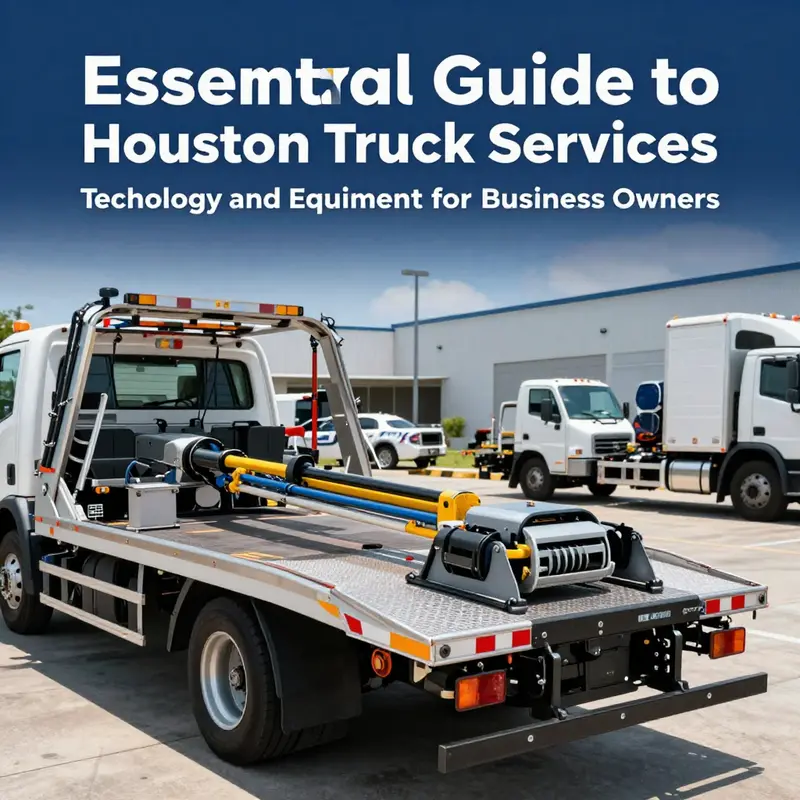
In Houston the work of tow trucks is more than moving vehicles; it is a city wide logistics challenge that runs on precision, discipline, and speed. The roads here span a vast network of interstates, feeder streets, and industrial corridors, and the moment a breakdown or crash happens the clock starts ticking. Behind every roadside recovery is a suite of machines and minds designed to keep traffic flowing and people safe. The cornerstone is a well tuned heavy duty tow truck fitted with a hydraulic system that can lift and rehang a car with minimal risk to the frame. These systems provide the hydraulic lift and tilt necessary to maneuver vehicles that are unresponsive, crushed, or wedged in ditches. In many cases the operator uses an extendable boom, a winch, and a set of slings to connect the vehicle to the tow mechanism. Vehicles in Houston come in many sizes from compact cars to large commercial trucks, and the equipment must be capable of handling this range without compromising stability. The ability to lift and tow a vehicle weighing several tons is not a luxury in this city; it is a basic requirement. In practice, the closest unit to the scene may shoulder the first critical hours of recovery, and that proximity matters for safety and for keeping traffic moving.
Across a modern tow bed a stout boom or a series of booms can extend to grab a vehicle from awkward positions. A main winch provides controlled pull and release, letting the operator cradle a car in flight while the sling or hook secures the weight. The capacity of these systems is expressed in tons, and in Houston some operators regularly move heavy vehicles that exceed a dozen tons. The best crews favor a combination of booms and winches to address varied conditions from a bent frame on a city street to a car stuck in mud or near a drainage ditch. The geometry matters because a well placed hook point and the right angle on the boom minimize shock loads that can stress suspension components or crack glass. In practice the job depends on experience but the tools provide a reliable baseline that keeps every lift within controlled parameters. Good practice also means adjusting the setup to wind, rain, or road grade, because a slick road can turn a routine pickup into a delicate dance of balance and momentum.
Technology has become the invisible partner in Houston tow operations. GPS tracking and fleet management software map the city in real time, showing not only where each truck is but which routes are open, where traffic is building, and where a tow might cause the least disruption to the flow of vehicles. Dispatchers use this data to assign the closest available unit and to estimate arrival times with a precision that would have been impossible a decade ago. For customers on a phone call the new risk is transformed into transparency; many operators offer mobile apps that allow a request for service, a live ETA, and an upfront projection of costs. The result is less back and forth, fewer surprises, and a smoother path from incident to resolution. The advantage extends beyond convenience; faster response reduces the risk of secondary incidents, which in dense urban traffic can be a major safety concern. The technology also helps managers balance workload and protect crews from excessive hours, a small but crucial factor in maintaining consistent quality service.
Securing equipment is a steady craft. Tow operators rely on high strength chains and heavy duty straps to lock a vehicle in place during transport. The goal is to distribute forces evenly so the towed car does not suffer frame damage or tire deformities along the way. In addition to chains and straps, specialized dollies protect the tires while the vehicle is being moved over rough pavement or up onto the bed. Dollies allow wheels to rotate freely while the rest of the car is lifted, reducing contact stress on tires and suspension. The team carefully attaches the securing gear at strategic points, checking for slack and fatigue before departure. A well secured load remains stable in crosswinds over uneven surfaces and through sudden stops that occur while navigating Houston streets. These details may seem small but they prevent costly damage to customers vehicles and reduce liability for the operator. At the end of a run the paperwork and the digital log entries capture the exact sequence of securing and lifting actions, a practice that protects everyone involved if questions later arise.
Safety on the roadside remains the priority. Crew members wear reflective vests and bright safety gear to stay visible to motorists passing by at all hours. The scene is marked with road flares, traffic cones, and warning signs to create a protected workspace even in heavy traffic. Modern fleets increasingly supplement with onboard cameras and digital logbooks that document what happened at the scene and what was done to secure the vehicle. These tools provide a traceable record for insurance claims, law enforcement, and customer follow up. The cameras also serve as a deterrent to disputed claims about damage that occurred during loading or transport. In many operations the combined effect of visible safety measures and consistent documentation builds trust with customers who may be anxious after a breakdown on a busy highway or congested city street.
All of these components together create a system that is more than the sum of parts. The hydraulic power, the booms that reach into tight spaces, and the disciplined physical handling of a vehicle combine with digital systems that track, plan, and report. The result is a service that can respond quickly, recover a wide range of vehicle types, and deliver safe transport to a destination. The Houston market has grown with this integration, allowing smaller operators to compete by delivering professional outcomes backed by reliable data. The approach also supports a more predictable customer experience, with clearer expectations about timing and price. For residents and visitors who encounter road trouble, the experience becomes less chaotic and more manageable as the dispatch network directs help to the most appropriate location and the quickest route. The stories behind each rescue vary, but the core pattern remains the same: assess the scene, secure the vehicle, lift with precision, and transport to a safe location. And in times of heavy rain or flood risk, which are not uncommon in the region, this approach mitigates risk by keeping the operation controlled and fast.
If readers want to see how these elements translate into real world choices, it helps to look at local providers and the way they describe their services. For many Houstonians the decision to call a tow service hinges on response time, trust, and clarity about pricing. In this sense the field is marked by steady competition among careful professionals who invest in training and technology. To gain a sense of how a Houston based service presents itself in practice, explore towing in Houston to see how a typical local crew communicates with customers and delivers the promise of quick relief in the moment of need. This link also points toward broader roadside assistance capabilities that people rely on when a vehicle breaks down on a busy urban corridor.
A broader perspective on the adoption of technology in Houston tow operations is captured by reports from a major local newspaper which highlight how fleets embrace new tools to improve response times, safety, and accountability. This trend reflects a wider shift in the industry toward data driven, transparent service that benefits drivers, operators, and property owners. For readers seeking deeper context see the external resource at the Houston Chronicle: https://www.houstonchronicle.com/business/2023/06/15/houston-towing-companies-embrace-technology-to-improve-response-times/}
Final thoughts
In summary, understanding the offerings of Houston tow truck services is invaluable for business owners. With various providers available, it is imperative to choose reliable companies that ensure your vehicles are serviced promptly and effectively. Furthermore, staying informed about the technologies used in this industry not only enhances safety but also optimizes the recovery process in case of emergencies. As you navigate through the complexities of managing your business, having a dependable towing service on speed dial can make all the difference.