
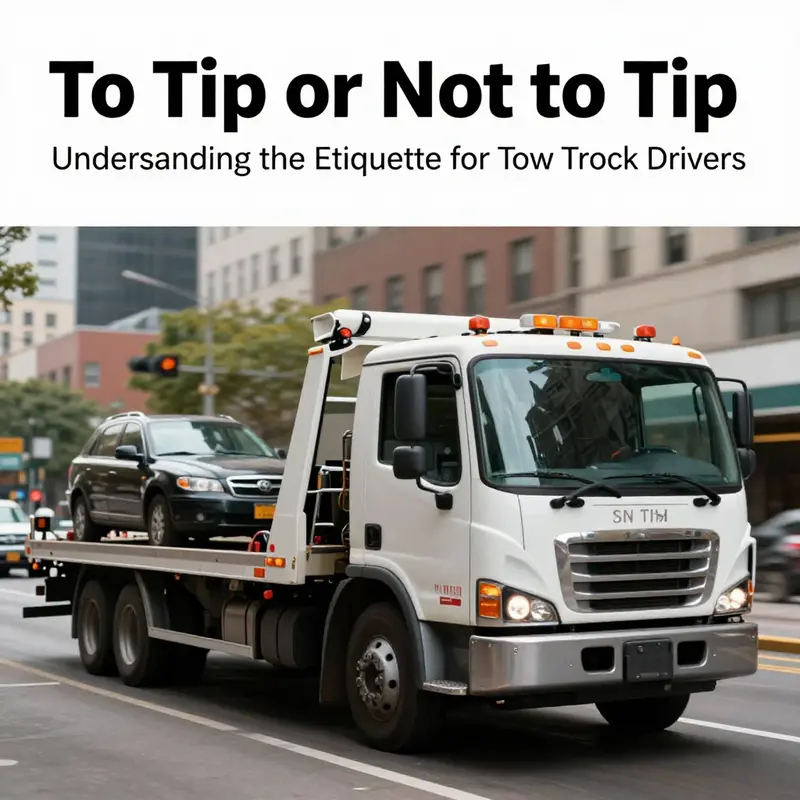
As a business owner, you likely navigate various customer service scenarios and etiquette, including whether to tip service providers. One area that often raises questions is the practice of tipping tow truck drivers. While the general consensus is that tipping is not a standard expectation within the towing industry, understanding the nuances of this practice is crucial for developing customer relationships. This article will delve into the prevailing opinions on tipping tow truck drivers and outline specific situations when a tip might be appreciated, offering you practical insights into making informed decisions in your business operations.
Tipping Tow Truck Drivers: When It Matters and When It Doesn’t
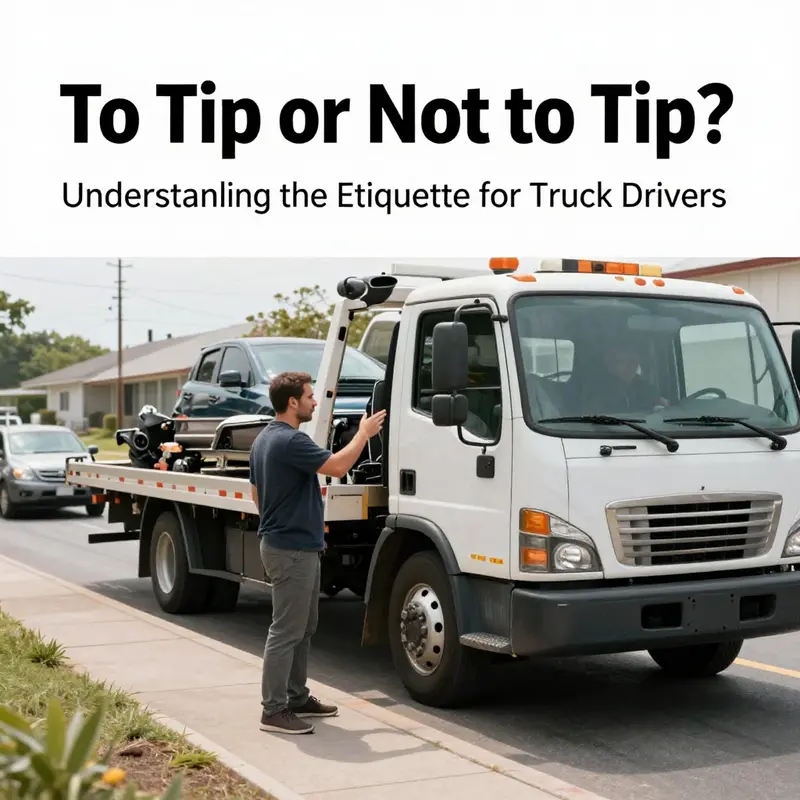
When a tow truck appears on the roadside, the moment can be tense. Tipping is not expected or required in most cases, and many companies discourage tips to maintain fairness and safety standards. Understanding this helps you respond appropriately and keeps the focus on securing the vehicle and ensuring everyone’s safety.
Most drivers are paid a wage by their company, and service fees reflect distance, vehicle type, and urgency. In routine towing, a gratuity is not a standard part of the transaction. A tip becomes relevant only when the driver goes beyond the ordinary job, for example, they perform a difficult recovery, provide clear safety guidance, or help coordinate a ride after the tow.
If you decide to tip, keep it modest and voluntary. A cash gesture in the range of roughly ten to twenty dollars is a reasonable starting point for genuinely exceptional work. It should be given discreetly and directly to the driver, not as a condition for service.
Policy matters. Many companies have rules about accepting tips, for safety and ethical reasons. If tipping is not allowed, respect the policy. You can still show appreciation with a written review or by recommending the service to others. If the driver declines a tip, honor that choice as you would any professional boundary.
Non-monetary appreciation can be just as meaningful. A brief note to the company praising the driver, or a quick online review, helps the business and future customers. The core idea is to reward true value without pressuring workers or compromising safety.
Bottom line: tipping is optional and situational. Before service is completed, a quick check of the policy can prevent awkwardness. If you are comfortable with a tip, keep it proportionate to the added value and delivered with respect and discretion.
Rethinking Tipping Tow Truck Drivers: When Gratitude Makes Sense on the Road
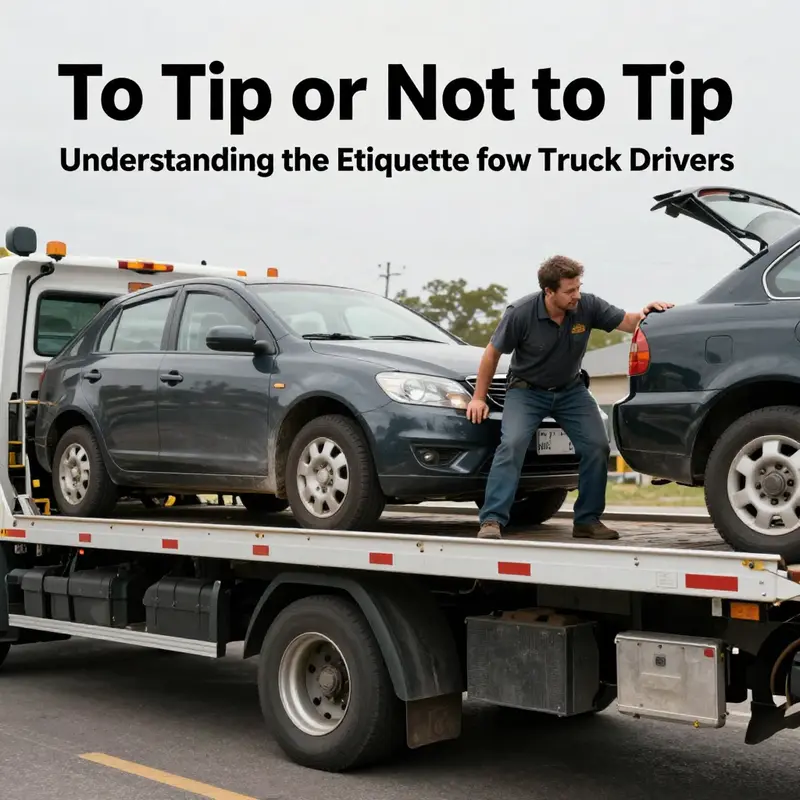
The roadside is a stage where emotions run high and uncertainty rides shotgun. A breakdown, flashing lights, and a tow truck can feel like a lifeline or a reminder of how fragile plans can be. In those moments, the question surfaces: should you tip the driver who pulls your vehicle or handles a roadside recovery? The straightforward answer is that tipping is not expected for routine towing services. The driver’s wage comes from the company, and the service fee already encodes the value of the work. Yet, real life isn’t always so simple, and moments of stress can inspire a gesture of appreciation that aligns with your values. In those moments, a tip should be discretionary, modest, and mindful of costs.
Beyond money, better ways to show gratitude include a sincere compliment, a quick note to the dispatcher, or an online review praising the driver. If a call involved extra risk or careful handling, a respectful acknowledgment can mean a lot without creating an obligation for future calls. If you do tip, keep it separate from the service price and ask whether tips are welcome. Some companies discourage them to avoid conflicts of interest. In any case, the core idea is respect: celebrate competence and safety, not transactions.
Final thoughts
In summary, while it is not customary to tip tow truck drivers due to their salary structure and service fee allowances, recognizing exceptional service can enhance relationships and customer satisfaction. As a business owner, being attentive and responsive to the nuances of service interactions, including tipping practices, can foster goodwill and loyalty. When in doubt, consider the effort and service quality as a guide to your decision.