

For business owners requiring transportation solutions, understanding the towing capabilities of rental trucks is crucial. Enterprise provides a range of vehicles equipped with tow hitches, catering to various business needs—from moving equipment to transporting goods. This article will delve into the diversity of truck options available, the significance of towing capacity, and how to confirm the presence of tow hitches in Enterprise rentals. Each chapter offers valuable insights that will assist you in making informed decisions regarding your rental options.
Tow Hitches on the Move: How Enterprise Trucks Are Configured to Tow and What That Means for Your Fleet

When fleets consider Enterprise rental trucks for hauling, the central question often turns on whether these vehicles can tow and what kind of hitch setup they offer. The answer is nuanced. Some Enterprise trucks, especially the larger moving and hauling models like 15-foot or 26-foot cargo vans, are equipped with hitch receivers or offer them as an add-on option. In other words, a subset of the fleet arrives towing-ready, while other configurations focus on cargo capacity and maneuverability without a hitch. For heavier, long‑haul tasks, there are still rare configurations that could support more specialized arrangements, such as fifth wheel or gooseneck connections, but these are not standard across the fleet. The reality is that towing capability hinges on the specific model, bed length, and intended use. Towing capacity and the type of hitch carried by a vehicle are governed by the manufacturer’s specifications, the vehicle’s design, and, importantly, the regulations and insurance requirements that apply to rental fleets. Before renting, a prudent step is to review the vehicle details on the Enterprise Rent‑A‑Car website or to reach out to a local location directly to verify whether a given truck has a hitch, and if so, which kind. This proactive check helps prevent misaligned expectations and ensures the selected truck fits the task at hand, whether it’s transporting utility trailers, small equipment containers, or heavy payloads that require a stable, secure connection. The way a fleet matches hitch availability to customer needs speaks to broader fleet management objectives: maximizing uptime, safeguarding equipment, and keeping operating costs predictable over the life of a rental cycle. A Class III tow hitch, for instance, with its standard 2-inch receiver, emerges as a versatile option on many medium-duty tasks. It offers a robust platform capable of handling a wide range of trailers while maintaining a balance between strength and fuel efficiency. The capacity and the mounting frame are designed to withstand daily use, making it a reliable workhorse for utilities, landscaping gear, and portable storage units. When the job demands greater stability, especially on longer hauls or with heavier trailers, fleets may look to a fifth wheel or gooseneck arrangement. A fifth wheel hitch is typically mounted over or just ahead of the rear axle, delivering remarkable stability and a more secure connection. It is best suited for long‑haul operations that require minimal sway and consistent stability, provided the truck has a long enough bed to accommodate turning clearance. Gooseneck hitches blend the strength of a fifth wheel with a bit more flexibility, making them particularly effective for heavy equipment transport in industrial contexts. These setups are less common in standard rental inventory, but they exist in specialized, heavy‑duty offerings where the payload and the tolerance for wear and tear justify the investment. For lighter or more flexible towing needs, ball mount tow bars remain the simplest and most adaptable solution. They are easy to install, remove, and swap between vehicles, supporting light to medium towing across a broad array of trailers. The choice among these hitch types is fundamentally driven by operational demands: what is being towed, how often, and under what driving conditions. Fleet managers and operators must also weigh long‑term costs. Installation and removal labor, hitch maintenance, compatibility with different trailers and electrical connections, as well as potential impacts on aerodynamics and fuel economy, all factor into the total cost of ownership. In practice, the right hitch isn’t just about the maximum trailer rating; it is about how the towing setup integrates with daily workflow, vehicle rotation, and the ability to scale operations as needs shift. For enterprises that require occasional towing, a transferable Class III receiver with a dependable tow ball may be all that is needed. For organizations that rely on heavy or specialized transport, a sequence of compatible configurations—long‑bed, gooseneck, or fifth wheel—may be justified by reliability and safety benefits. As with any fleet decision, confirming the exact hitch type before deployment, and understanding any local or insurer requirements, keeps operations aligned with safety standards and cost controls. For readers seeking practical guidance on related towing services and roadside support during project work, resources such as Mikes Towing provide actionable support when on the road. Mikes Towing can be a helpful reference point for service and responsiveness in field operations. For further safety standards and detailed guidance on hitch capacity and installation, consider consulting the National Highway Traffic Safety Administration’s class III tow hitch guide, which outlines capacity ranges, installation considerations, and use cases. External resource: https://www.nhtsa.gov/vehicle-towing/class-iii-tow-hitch-guide.
Tow Lines, Fleet Strength: Understanding Towing Capacity in Rental Trucks
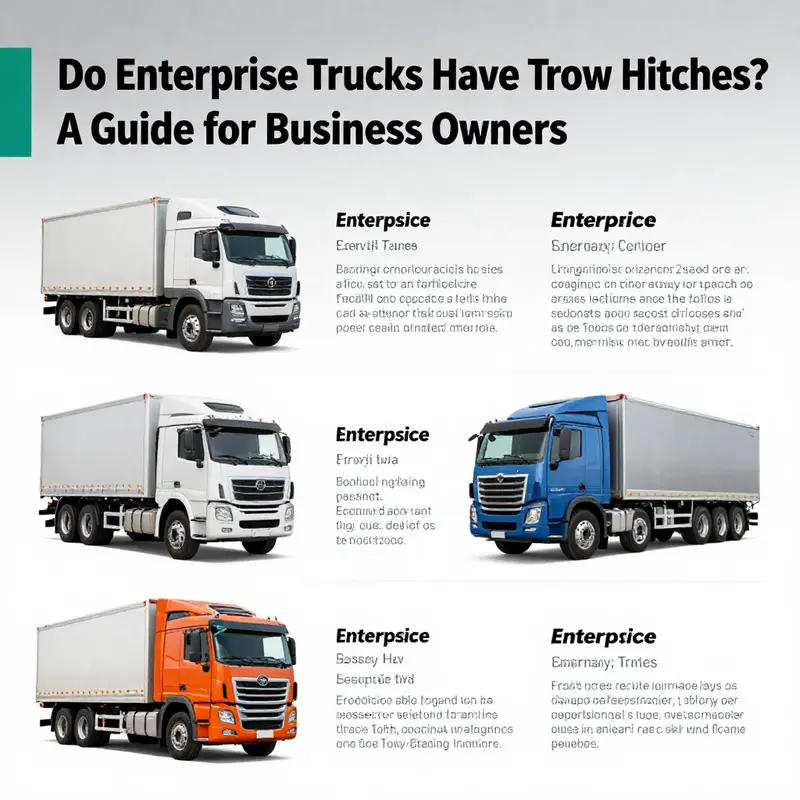
Do rental trucks from large fleet providers have tow hitches? The short answer is yes, but with important caveats. The presence of a hitch receiver or a hitch-ready configuration depends on the model, the body style, and the business use the vehicle is built to support. In practice, many rental trucks that teams rely on for moving, hauling, or field service will either include a hitch receiver by default or offer it as an add-on option. For example, service vans and larger cargo units, such as 15-foot and 26-foot models, are more likely to present a towing capability because their frames and powertrains are designed around carrying substantial payloads. Yet the hitch type, the towing capacity, and even the permissible trailer types can vary widely from one truck to the next. This variation matters because it shapes whether a team can move a trailer, tow a piece of equipment, or shuttle a load between sites without renting a separate towing service. Therefore, while the core question invites a simple yes or no, the honest answer depends on the specific vehicle configuration the fleet assigns.
From an operational perspective, towing capacity is not a luxury feature; it is a workflow enabler. When a truck can safely pull a trailer, teams avoid extra trips, reduce downtime, and keep job schedules on track. In many commercial applications, a single vehicle with a balanced payload and towing package can act as a versatile workhorse, capable of transporting tools, scaffolding, generators, or modular equipment. This versatility translates into lower capital outlays for fleet procurement and simpler maintenance planning. Fleet managers, therefore, evaluate not just the engine’s torque or the truck’s curb weight but the integrated capability to handle real-world duty cycles. The best configurations align with typical loads, travel distances, and the types of trailers that are part of day-to-day operations. When a vehicle can share duties across departments, the organization gains flexibility and resilience, which is especially valuable for small to mid-sized enterprises trying to maximize every mile.
Safety and compliance sit at the heart of towing decisions. Overloading a tow-capable truck is not a mere performance issue; it changes braking dynamics, steering response, and tire wear. It increases the risk of axle stress and can push a fleet into noncompliance with safety standards. Regulatory frameworks, particularly those governed by the Department of Transportation and the FMCSA, set clear expectations for proper towing practices, load distribution, and trailer braking requirements. Adherence to these guidelines protects drivers and reduces insurance exposure while preserving vehicle longevity. To navigate these complexities, fleets often adopt standardized load-planning procedures, including verifying gross combination weight ratings (GCWR), ensuring that hitch classes match trailer tongues, and confirming that the towing setup remains within the vehicle’s rated limits. In this sense, capacity is not just a number; it is a safeguard for the entire operation.
Given the variability, how should a prospective renter approach the question of towing for rental trucks? Start with the vehicle’s published specs. On the rental provider’s site, look for explicit notes about hitch availability and the maximum trailer weight for the selected model. If anything remains unclear, contact the local branch before finalizing the rental. A quick discussion can confirm whether a hitch receiver is installed, whether a dedicated towing package is included, or if an add-on is available. When a truck is earmarked for longer hauls or heavier attachments, ask about hitch compatibility and ensure the vehicle’s electrical connections, brake controller if required, and ramp or platform compatibility are suitable for your trailer. In practice, the right choice balances the job’s demands with the vehicle’s capabilities, avoiding over- or underutilization of the fleet while reducing risk on the road. For practical context on specific capabilities, see tow-truck-houston.
Beyond strict specifications, fleet planners consider how towing integrates with equipment and routes. Heavy-duty versions of rental trucks may accommodate specialized towing setups, such as gooseneck or fifth-wheel configurations, when the job requires additional stability or weight distribution. These arrangements are less common in everyday rentals, but they illustrate the spectrum of towing-ready readiness that rental fleets can offer. The key is to map the job’s needs—trailer size, payload, distance, and terrain—to the available vehicle options. A well-matched pairing reduces wear on both truck and trailer while improving overall operation speed and reliability. This thoughtful alignment is especially important as fleets scale from one or two trucks to a small, cohesive unit handling multiple sites.
Planning also means staying current with safety resources and best practices. When in doubt, consult the official guidelines that govern towing practices and vehicle safety. The FMCSA and related safety bodies provide robust, practical advice on load distribution, trailer braking, and driver training. Keeping these standards in view helps ensure that your fleet not only meets regulatory expectations but also protects drivers and customers alike. For a broader regulatory baseline, you can consult resources like the FMCSA website. External resource: https://www.fmcsa.dot.gov
null

null
Final thoughts
In conclusion, understanding the tow hitch options available with Enterprise trucks is essential for optimizing your business’s rental decisions. By being informed about the types of trucks with integrated towing features and verifying the specific capabilities required for your operations, you can streamline logistical challenges dynamically. Make sure to check each truck’s towing capacity and confirm hitch availability before finalizing your rental. This approach will ensure that your transportation needs are met efficiently.