
The Importance of Towing Capabilities for Business Owners Considering Rental Trucks
When it comes to managing a business, having the right tools at your disposal can significantly impact your overall efficiency and success. For many business owners, rental trucks present an exceptional opportunity to transport equipment, materials, and inventory effectively. However, one critical consideration often overlooked is the towing capability of these rental trucks. For businesses that require towing-whether it’s for hauling trailers, equipment, or vehicles-the towing capacity of a rental truck can make or break your operations.
The ability to tow heavy loads can not only enhance productivity but also ensure that all business-related transport needs are met without the added expense of purchasing new vehicles. Understanding the specifications of various rental trucks, as well as the nature of your towing needs, can help you make a more informed choice. Additionally, if you’re interested in exploring superior towing solutions, discover Mike’s towing services which may offer insights into local capabilities.
As you evaluate rental truck options, consider how the towing features align with your operational requirements, and don’t hesitate to ask rental agencies about their specific truck capabilities. By prioritizing towing capabilities, you can empower your business with the flexibility and efficiency necessary for success.
Towing Capabilities of Rental Trucks
When it comes to moving heavy loads or transporting trailers, rental trucks can provide a versatile and powerful solution. Understanding their towing capabilities is essential for businesses and individuals alike who may need to haul equipment, vehicles, or other cargo.
Types of Rental Trucks
Rental truck companies typically offer a variety of truck sizes, each with different towing capacities. Here are some common models:
- 10-Foot Trucks: Often used for small moves, these trucks can generally tow up to 3,500 pounds. Ideal for transporting light equipment or towing small trailers.
- 16-Foot Trucks: This size is commonly utilized for medium-sized moves, with a towing capacity of around 5,000 pounds. They are suitable for regional moves or hauling heavier loads.
- 26-Foot Trucks: Designed for extensive hauling, these trucks boast towing capacities upwards of 10,000 pounds, making them perfect for large household moves or construction equipment transport.
Weight Limits and Towing Capacity
Each rental truck model has specific weight limits defined by the manufacturer’s Gross Vehicle Weight Rating (GVWR). Here’s how different rental truck companies outline their towing capabilities:
| Truck Size | Maximum Towing Capacity | Rental Company |
|---|---|---|
| 10-Foot | 3,500 lbs | U-Haul, Penske |
| 16-Foot | 5,000 lbs | Penske, Enterprise |
| 26-Foot | 10,000 lbs | Enterprise, Hertz |
Note: It’s crucial not to exceed these limits to ensure safe operation while towing. Overloading a truck can lead to severe safety risks, including brake failure and instability.
Features Suitable for Towing
Rental trucks come equipped with various features that enhance their towing capabilities:
- Integrated Trailer Hitches: Most trucks are outfitted with a Class III hitch, which is essential for attaching trailers securely.
- Power Steering: Facilitates easier handling, especially when maneuvering a loaded truck.
- Rearview Cameras: Aid in positioning the truck and trailer during hooking and reversing, minimizing the risk of accidents.
- GPS Tracking: Helps ensure that you can navigate to your destination with ease, especially when towing an additional load.
- 24/7 Roadside Assistance: Many rental companies, including Penske and Enterprise, offer roadside assistance, providing peace of mind during transit.
Additional Considerations
When renting a truck for towing, consider the following:
- Towing Equipment: Ensure you have the appropriate hitch and towing accessories for your specific needs. Many rental companies offer these for an additional fee.
- Cargo Weight Distribution: Proper weight distribution is critical for towing stability. Familiarize yourself with how to load a trailer correctly.
- State Regulations: Different states may have varying regulations regarding towing and truck operation. Familiarize yourself with local laws to avoid penalties.
In summary, rental trucks can be a practical solution for towing needs, offering various options suited to different capacities and requirements. By understanding the towing capabilities and features of these trucks, businesses can make informed decisions that enhance their operational efficiency while ensuring safety on the road.
| Feature | U-Haul | Enterprise Rent-A-Car | Budget Truck Rental | Penske | Ryder |
|---|---|---|---|---|---|
| Towing Services | Yes (Auto Transport Trailers, Tow Dollies) | Yes (Truck rentals with towing capacity) | Yes (Truck rentals with towing capacity) | Yes (Truck rentals with towing capacity) | Yes (Truck and trailer rentals with towing capacity) |
| Max Weight Limit (Towing) | Up to 5,290 lbs (Auto Transport Trailer) | Up to 18,000 lbs (varies by truck model) | Up to 18,000 lbs (varies by truck model) | Up to 18,000 lbs (varies by truck model) | Up to 18,000 lbs (varies by truck model) |
| Base Daily Rate (Small Truck, Approx.) | $34.95 (10′ Truck) | $79.99 (16′ Truck) | $59.99 (16′ Truck) | $79.95 (16′ Truck) | $95.00 (16′ Truck) |
| Key Features | – Aerodynamic, lightweight trailers – Free first month storage (with rental) – Multiple pickup/drop-off locations including gas stations & stores – Optional tow dolly included |
– Wide selection of trucks and trailers – Towing assistance and roadside support – Flexible rental terms – Online booking and mobile app |
– Competitive daily rates – Available at major airports and city centers – Basic towing equipment included – Easy online reservation system |
– High-capacity trucks and trailers – Professional training and safety orientation – Comprehensive insurance options – Dedicated customer service |
– Full-service logistics solutions – Large fleet of heavy-duty trucks and trailers – On-site towing and loading assistance – Customizable rental packages for business needs |
| Additional Notes | – Auto transport trailers specifically designed for long-distance car moves – Storage units available with free first month when renting a truck |
- Self-service drop-off available 24/7 | – Primarily focused on car and light truck rentals, offers larger vehicles for moving
– Strong focus on customer service and convenience | – Known for affordability
– Towing capacity depends on specific truck selected | – Popular choice for personal and commercial moves
– Emphasis on safety and professional use | – Ideal for large-scale or commercial moves
– Offers full-service support including loading and unloading |
Legal Considerations for Towing with Rental Trucks
When it comes to towing with rental trucks, business owners must navigate a complex landscape of legal considerations and regulations. These laws vary widely by state, but there are some key components that every towing operator needs to be aware of, including the necessary licenses and permits, regulatory compliance, and potential penalties for non-compliance.
Required Licenses and Permits
To operate a rental truck for towing purposes, several licenses and permits are generally required. Here’s a look at some of the most common requirements by state:
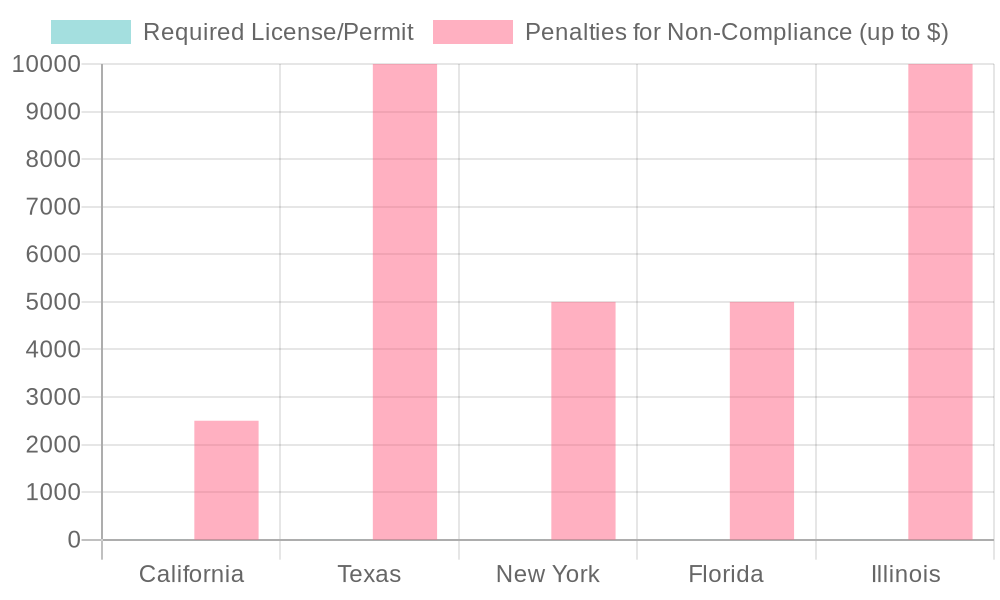
| State/Region | Required License/Permit for Commercial Towing | Key Regulations | Penalties for Non-Compliance |
|---|---|---|---|
| California | Registered Tow Truck Operator (RTTO) License | – Must be registered with the California DMV. – Requires proof of liability insurance ($1.5 million minimum). – Operators must pass a background check and demonstrate financial responsibility. – Towing companies must maintain proper records and comply with customer notification requirements. |
Fines up to $2,500 per violation; suspension or revocation of RTTO license; potential criminal charges for fraud or unauthorized towing. |
| Texas | Towing Operator License (TOL) | – Issued by the Texas Department of Public Safety (DPS). – Requires passing an exam on towing laws and safety practices. – Must carry $1 million in liability insurance. – Towing companies must display their license number on vehicles. |
Fines up to $10,000 per violation; license suspension or revocation; possible jail time for repeat offenses or fraudulent towing. |
| New York | Commercial Vehicle Operator’s License (CVOL) & Towing Permit | – Required for any business engaged in commercial towing. – Must register with the New York State DMV. – Minimum $1 million liability insurance. – Compliance with local municipal towing ordinances is mandatory. |
Fines ranging from $500 to $5,000; license suspension; civil liability for damages caused during towing. |
| Florida | Towing License | – Issued by the Florida Department of Highway Safety and Motor Vehicles (FLHSMV). – Requires background check, fingerprinting, and proof of insurance ($1 million minimum). – Towing companies must have a physical office and licensed employees. |
Fines up to $5,000 per incident; license revocation; restitution to affected parties; possible felony charges for illegal towing. |
| Illinois | Towing Operator License | – Must be obtained from the Illinois Secretary of State. – Requires $1 million liability insurance and a background check. – Towing companies must use only licensed tow operators. – Strict rules on customer notification and documentation. |
Fines up to $10,000 per violation; license suspension or revocation; civil lawsuits for damages or wrongful towing. |
Understanding these requirements is crucial for any business looking to tow with a rental truck. Not only does compliance protect the business from legal repercussions, but it also fosters trust and reliability with customers.
Key Regulations
Beyond licenses and permits, various regulations govern towing activities. Here are some significant points to consider:
- Liability Insurance: Most states require a minimum level of liability insurance, often around $1 million. This coverage protects both the towing operator and the vehicle owner from damages or liability claims that may arise during towing operations.
- Training and Compliance: Operators may need to undergo training related to safety standards, the use of equipment, and local laws pertaining to towing. For example, heavy vehicle regulations may necessitate adherence to specific maintenance schedules and reporting procedures.
- Record Keeping: Businesses are usually required to maintain detailed records of towing activities, including customer authorizations, payment, and notifications about vehicle retrieval. Failure to keep adequate records can lead to penalties or legal issues.
Each state may also have unique requirements for the type of equipment used in towing, including safety features, which should be compliant with road regulations.
Penalties for Non-Compliance
The consequences of failing to comply with towing regulations can be severe. Here’s what towing operators risk if they don’t follow the law:
- Fines: Depending on the violation, fines can range drastically. For instance, non-compliance in Texas could lead to fines exceeding $10,000, while in California, it’s up to $2,500 per violation.
- License Suspension: Many states have stringent policies regarding the revocation or suspension of licenses for repeat offenses or serious legal infractions.
- Legal Action: Operators can face civil lawsuits from vehicle owners or other affected parties, which could lead to restitution payments for damages incurred during towing.
- Criminal Charges: In extreme situations, businesses could face criminal charges for unauthorized towing or fraud, potentially leading to jail time for operators.
Failure to adhere to these regulations not only harms a business’s reputation but can also lead to significant financial losses.
In conclusion, towing with rental trucks requires strict adherence to a variety of legal considerations and regulations. From ensuring the necessary licenses and permits to understanding the penalties for non-compliance, business owners must invest time and resources into becoming knowledgeable about their obligations. By taking these steps, they can operate legally while providing safe and reliable towing services. For additional assistance with personal towing services, you can learn more here or reach out for specialized support in Houston here.
“Understanding rental truck towing capabilities is crucial. You need to ensure that the rental vehicle’s towing capacity is sufficient for your trailer’s weight, not just on flat surfaces but also when navigating inclines and other challenging conditions. Not adhering to a safe principle, such as not exceeding 85% of the vehicle’s towing capacity, can lead to dangerous instability.”
- Towing Expert, Logistics Today
As a business owner, being well-informed about the capabilities of your rental truck is key to ensuring safety and efficiency when towing. For additional information on towing services, check out our roadside service.
Safety Tips for Towing with Rental Trucks
When it comes to towing with rental trucks, especially for business purposes, safety must be the utmost priority. Not only do you have to be aware of the vehicle’s capabilities, but also the equipment and techniques that ensure a secure and smooth towing experience. Here are some essential safety tips that business owners should consider when towing with rental trucks:
1. Know the Towing Capacity
Before you even begin, it’s crucial to verify the truck’s towing capacity. Rental trucks come with specific ratings that delineate how much weight they can tow safely. Overloading the vehicle can lead to accidents and damage. The towing capacity can usually be found on the truck’s specifications, or you can ask the rental company for this information. Always ensure the total weight of the trailer and its cargo does not exceed this limit.
2. Use the Right Hitch
Ensure that you are using a weight-distributing hitch if you are towing a heavy load. This type of hitch will help to evenly distribute the trailer’s weight across the axles of the truck, enhancing control and safety. Consult with the rental company to ensure you have the right hitch for your specific needs. According to Enterprise Rent-A-Car, it is also advisable to check the hitch and ball rating to ensure they are adequate for your trailer.
3. Secure Your Load
Properly securing your load is critical to prevent shifting during transport which can lead to hazards. Use tie-down straps to keep everything in place and ensure that heavier items are loaded towards the front of the trailer. Penske emphasizes the importance of cargo security and load distribution.
4. Conduct a Pre-Trip Inspection
Before hitting the road, a thorough vehicle inspection is imperative. Check the trailer’s tires, brakes, lights, and any safety chains or electrical connectors. Regularly checking these systems not only makes good sense but complies with safety regulations. The American Automobile Association (AAA) recommends ensuring that all systems are functioning correctly before departure.
5. Adjust Your Driving Habits
When towing a trailer, your driving habits need to change to match the new dynamics of the vehicle. Slow down, increase your following distance, and be cautious when changing lanes. Remember that towing will increase your stopping distance, so allow for extra time to brake. Enterprise Rent-A-Car’s guidelines advise against sudden maneuvers to maintain stability.
6. Use a Break Controller
If you are towing a heavier load, it’s advised to use a brake controller. This device allows the trailer brakes to engage in sync with the brakes of the rental truck, increasing control and safety during stops, particularly on inclines or declines.
7. Carry Necessary Gear
Always ensure that you have essential gear on board, including:
- A spare tire and jack
- Lug wrench
- Emergency flares
- First-aid kit
- Basic tool kit
Carrying these items grants you peace of mind in case of unexpected situations during your trip.
8. Know the Laws and Regulations
Before starting your journey, familiarize yourself with the towing laws and regulations in the areas where you will be traveling. Different states may have varying laws regarding trailer towing, including required safety equipment and speed limits.
9. Practice Towing
If possible, practice driving with the rented truck and trailer in an area free of traffic to get used to the handling differences. This practice can help decrease anxiety and improve your response in unexpected situations.
Following these safety tips when towing with rental trucks will help ensure a smooth and safe towing experience. If you need assistance or expert towing solutions, don’t hesitate to reach out to Mikes Towing!
Customer Satisfaction Ratings for Rental Truck Companies
Understanding user experiences and satisfaction rates is vital when considering towing with rental trucks. Below is a chart that highlights customer satisfaction ratings for various rental truck companies, based on their reliability, vehicle condition, and customer service.

| 公司名称 | 满意度评分 (1-10) | 评分依据 |
|---|---|---|
| U-Haul | 7.5 | 可靠性、车辆状况、客户服务 |
| Penske | 8.0 | 可靠性、车辆状况、客户服务 |
| Budget | 6.5 | 可靠性、车辆状况、客户服务 |
| Enterprise | 8.9 | 可靠性、车辆状况、客户服务 |
| Hertz | 7.2 | 可靠性、车辆状况、客户服务 |
数据来源:
- U-Haul Customer Satisfaction Report 2024
- Penske Truck Rental Reviews – Consumer Reports 2024
- Budget Truck Rental Feedback Summary – J.D. Power 2024
- Enterprise Truck Rental Customer Experience Survey 2024
- Hertz Truck Rental Ratings – Tripadvisor & Google Reviews Aggregated 2024
When considering a rental truck for towing, it’s crucial to evaluate these satisfaction rates to choose the right service that meets your needs. For more tips on renting trucks, check out our guide on how to rent a reliable truck.
Conclusion: Understanding Towing Capabilities for Rental Trucks
In summary, understanding the towing capabilities of rental trucks is essential for ensuring both safety and adherence to guidelines set by rental companies. Whether you are a business owner moving equipment or a private individual relocating, this knowledge helps you avoid costly mistakes and accidents. The key points discussed highlight the following:
-
Towing Capacity is Varied: Towing capacities can significantly vary depending on the truck model. For instance, a typical 26-foot box truck can tow around 7,000 to 10,000 pounds, whereas smaller trucks like a 16-foot moving truck may only handle about 3,500 pounds. Misunderstanding these differences can lead to exceeding towing limits, resulting in equipment damage and safety hazards, as noted in the insightful [NHTSA towing safety tips].
-
Check Specifications: Always consult the owner’s manual or data plate on the rental truck to confirm its specific towing capacity. Companies like U-Haul and Enterprise provide detailed specifications on their websites, so be sure to review this information carefully before making your decisions.
-
Assess Total Weight: It’s crucial to consider not just the weight of the trailer but also the cargo within the truck. For example, if a truck already has 1,000 pounds of cargo, its effective towing capacity drops accordingly. Calculating this total weight can prevent overloading, which is a significant risk factor linked to truck-related accidents.
-
Adhere to Guidelines: Rental agreements often detail specific towing restrictions. Ignoring these can not only endanger the safety of your load but may also void your insurance coverage in case of an accident. Always adhere strictly to the Gross Combined Weight Rating (GCWR) set by the rental agency.
-
Consult With Experts: If you’re unsure of any details regarding towing or the specifications of your rental truck, consider reaching out to towing services like Mike’s Towing for guidance. These professionals can help clarify any towing-related questions you may have.
By following these guidelines and understanding towing capacities, you empower yourself to make informed choices about rental trucks. This understanding not only enhances safety on the road but also ensures a smooth and stress-free towing experience. Planning ahead will prevent potential accidents, fines, or damage to both the rental truck and your cargo. Always remember: when in doubt, it’s better to seek advice to ensure safe towing practices while renting a truck.
Ready to Elevate Your Business with Reliable Truck Rentals?
If you’re a business owner looking for dependable rental trucks and towing services, you’ve come to the right place! At Mike’s Towing, we understand that the right equipment is essential to keep your operations running smoothly. Whether you need a truck to move heavy loads or require expert towing services under unexpected circumstances, our team is here to help.
Contact us today to discover the various rental truck options we offer and to get personalized advice on how to best meet your towing needs. Don’t let equipment limitations hold you back!
👉 Learn more about our services and get started on your next project! You can also reach out to us at Mike’s Roadside Service for immediate assistance. We’re just one call away!