
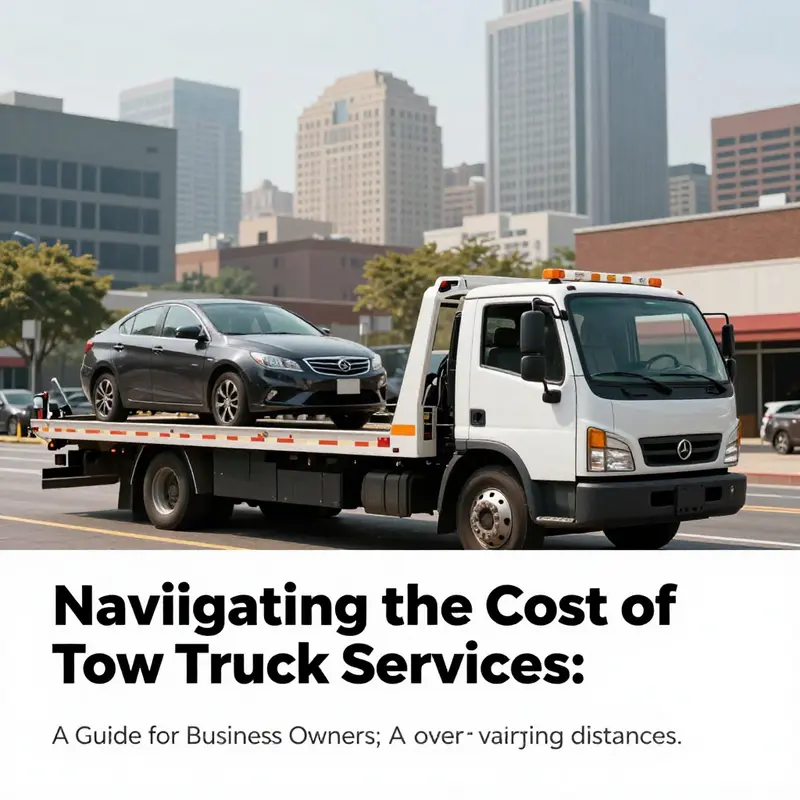
For business owners, understanding the costs of tow truck services is essential for effective budgeting and operational planning. Whether a vehicle breaks down or needs to be relocated, having a clear idea of potential expenses can prevent financial surprises. This guide will explore the costs associated with towing, focusing on how different vehicle types influence pricing and how per-kilometer rates vary depending on distance. By delving into these aspects, business owners will be better equipped to handle towing situations efficiently.
Tow Costs by Vehicle Type: Reading the Price Signals Behind Every Tow
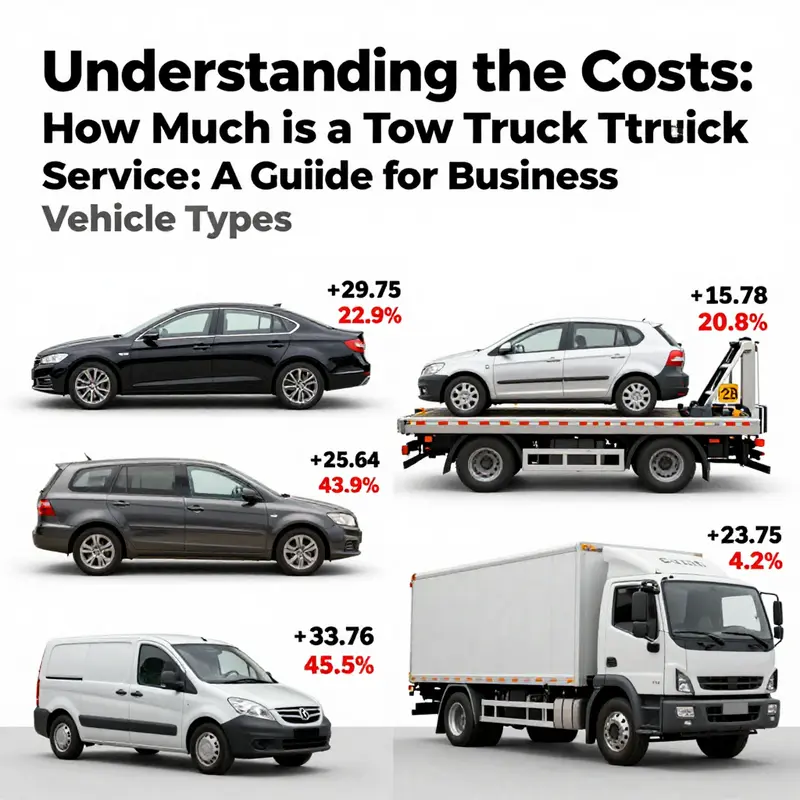
When you pull over to the shoulder and call for a tow, the price you see on the estimate page or overheard during a quick phone quote is rarely a single number carved in stone. Tow truck pricing is a layered system, built from the weight and size of the vehicle, the equipment required to lift and move it safely, the distance to the destination, and the conditions under which the tow must happen. It is also shaped by the timing of the request, by geographic norms, and by the complexity of the recovery task. To understand what you’re paying for, you need to read the price signals as if you were decoding a map. Each factor matters, and when you put them together you begin to see why a tow for a small sedan parked in a city street can end up with a different sticker than a tow for a heavy delivery truck hauled along a remote highway in the middle of the night. The thread that ties all of these costs together is the combination of base charges, distance-based fees, and the specialized work that may be required to secure a vehicle without causing further damage or risk.
For light passenger vehicles—the kind that fill most streets—the pricing framework you’ll encounter in many markets emphasizes a relatively modest hook-up or base fee, followed by a per-mile or per-kilometer rate. In some regional surveys and industry summaries, the base fee for a standard small car or sedan is described as a relatively small anchor in the overall charge, often in the range of a few dozen dollars. In other regions, particularly where you’re looking at urban service models with higher labor costs and more rapid dispatch needs, the same base can be noticeably higher. What remains consistent across markets is the structure: the base fee pays for arrival, hookup, and the use of the tow apparatus, while the distance-based element covers the actual transport to a repair shop or designated location. The per-mile or per-kilometer rate tends to be modest for short urban tows, but climbs as you step onto highways and longer distances.
To illustrate, consider a typical small car tow in a city setting. In many common industry practice summaries, the base fee for a light vehicle is described as a hook-up charge that can range from the mid-teens to the upper end of a few dozen dollars in some markets. When you add a per-mile or per-kilometer component, you often see numbers in the neighborhood of a few dollars per mile in the United States, or a few dollars per kilometer in metric regions. A straightforward 30-mile tow in a region with a mid-range rate might produce a total in the neighborhood of $125 to $250, depending on whether the base is at the lower end or closer to the mid-range of the spectrum. This is not a universal price, but a representative example that captures the general shape: a small car is relatively cheaper to tow because it requires less specialized equipment and fewer technicians, and because the risk of damage during transport is lower when the vehicle is lighter and smaller.
As vehicles grow larger or more complex, the cost curve bends upward, sometimes quite steeply. Medium-duty vans, minivans, and mid-size SUVs introduce extra layers of difficulty. They may require more robust rigging, additional straps or wheel lifts to keep wheels from turning or tires from dragging, and sometimes a different class of tow truck. All of these elements translate into a higher base fee than a compact car and an elevated per-mile rate to reflect increased operating time and use of heavier equipment. In practical terms, this means that a tow for a larger passenger vehicle will sit at the upper end of the standard car tow range and move toward the lower end of the commercial-vehicle territory, depending on the market. The most important point here is that size and drivetrain considerations are not cosmetic details; they trigger resource requests from the tow company—more crew involvement, more specialized devices, and more precise loading procedures—all of which contribute to a higher price.
When the vehicle in question is a true commercial vehicle—think delivery vans, medium-duty trucks, or even large freight trucks—the pricing structure responds to the actual weight and the complexity of the recovery. Base fees for these vehicles are commonly higher, reflecting the need for larger equipment and often multiple operators. Per-mile rates rise correspondingly, sometimes exceeding ten dollars per mile for heavier trucks, especially on longer hauls or when the tow must contend with restricted access or challenging terrain. An example often cited in industry cost analyses is a large truck towed a relatively long distance: the base fee can start around the hundreds-of-dollars mark, and a lengthy distance multiplies the total quickly. In a practical scenario, a 50-mile tow for a heavy vehicle could easily reach several hundred dollars, and in some regions the final figure may approach or surpass a thousand dollars when distance, vehicle weight, and the need for specialized equipment lock arms with the labor involved.
The factors multiplying the price do not stop at size and distance. The time of day plays a critical role. Emergency or after-hours service—nighttime, weekends, or holiday periods—often carries a surcharge. Surcharges of twenty to fifty percent are not unusual in the industry, and in peak seasons or in areas with severe weather, additional costs can pile up quickly. Snow, ice, or mountainous conditions demand extra care and sometimes specialized gear to reach and extract a vehicle safely, which in turn adds up to more money on the final bill. The presence of an overturned vehicle or the need to use a rotator or a flatbed truck for safe recovery is another major price driver because these operations demand highly skilled personnel, precise planning, and extra safety protocols. In some cases, the requirement to handle dangerous goods—such as a vehicle with flammable contents or a fuel tank with potential hazards—adds a surcharge on top of the base and mileage charges because of the safety risks involved.
Beyond the core towing operation, there are additional fees that can shape the total. On-site repairs, even something seemingly minor like a battery jump-start, are typically billed separately from the tow itself. Recovery from difficult terrain—think ditches, steep slopes, mud, or snow—also attracts extra charges, reflecting the greater risk and equipment burden. Abandoned vehicle removal, meanwhile, can be charged differently, sometimes on an hourly basis or with a flat-rate structure that reflects the complexity of clearing a vehicle from a location that may require permission, coordination, or special access arrangements.
From highway tows to local urban pulls, the price landscape can look quite different. Highway towing carries its own premium because it often involves more expensive logistical planning, higher fuel and labor costs, and the need to respond rapidly to high-demand scenarios. In many markets, a Class 1 light-vehicle tow performed on a highway might show a base fee plus a higher per-mile rate beyond the first few kilometers, while a Class 5 heavy-truck tow can exhibit a substantially higher base plus a greater distance charge. Local or urban towing tends to be cheaper on the base but still subject to city-specific rates, time-of-day surcharges, and any local access fees such as tolls or parking charges that may be pass-through costs rather than part of the base figure.
These dynamics mean that the same job can yield quite different price outcomes depending on where it happens and how it’s carried out. Regional price structures reflect differences in labor costs, equipment fleets, and regulatory environments. They also reflect the fact that some regions maintain more standardized pricing models that emphasize transparency, while others rely on a more bespoke, quote-driven approach where the final number may depend on the precise configuration of the tow and the negotiation with the technician on site. In one part of the world, the same 15-kilometer tow could be a straightforward, low-cost operation, while in another part of the world it might involve a rotator and result in a significantly higher bill because the recovery demands extra gear and safety protocols.
The practical takeaway for someone facing a tow is to expect variability and to plan for the possibility of extra charges that are not part of the base line. The possibility that tolls, bridge fees, or parking charges might be added on top of the quoted price is real in many markets. The chance of a cancellation after the tow truck has arrived is another factor that can affect the final amount due—some operators will charge a percentage of the base fee if the service is canceled, and there can be a minimum charge even when a job is aborted at the last minute. The numbers that appear in brochures or on dispatch screens often aim to provide a framework rather than a universal guarantee, and the best practice is to ask for a breakdown of the estimate—base, distance, and any potential surcharges—before agreeing to service. This level of transparency helps customers understand not only what they are being asked to pay but why the price is structured in a particular way.
The story of tow costs is also a story about how the service system is evolving. In some regions, there have been policy shifts that influence how much towing costs at a macro level. For instance, in 2025 certain provincial models in large countries experimented with removing highway towing fees as part of broader public-service initiatives, signaling a shift toward a model where the state or a public entity absorbs or subsidizes some of the long-distance or highway-related costs. While such developments vary by jurisdiction and are not universal, they illustrate how pricing can be sensitive to policy choices as well as market forces. The practical implication for everyday car owners is that even a policy shift at the national or provincial level can alter the minimum and average costs you encounter, especially on longer trips or in areas that rely heavily on highway networks.
So, how should a consumer approach estimating a tow? The starting point is to recognize two layers: the base hook-up and the distance that follows. The base hook-up covers the arrival and securing of the vehicle, typically with an emphasis on safe loading and protection of the vehicle’s components. The distance component reflects the actual transport, which is where the cost can rise quickly for long hauls or when a heavy-duty truck is needed. Then there are the add-ons, which can wedge themselves into the final tally in various ways: after-hours services, weather-related burdens, terrain challenges, and the handling of hazardous materials or overturned vehicles. Each of these elements has its own typical range, and together they determine the final price you will pay.
In practice, the most reliable way to approach a tow is to get a written quote that itemizes each element. Ask for the base fee, the per-mile or per-kilometer rate, and any potential surcharges for time of day, weather, or special equipment. If the vehicle is a heavy-duty model, request a separate line item for equipment usage and labor, and, if possible, obtain an estimated cost for a worst-case scenario, such as a long-distance haul over difficult terrain. It is also prudent to clarify whether the quote includes tolls, bridge charges, or parking fees, and to understand the cancellation policy in case plans change after the tow is dispatched. These steps may seem meticulous, but they empower you to compare quotes across providers more effectively and to avoid surprises when the final invoice arrives.
From the perspective of someone who wants to see the day-to-day reality of how these charges are presented and processed, a practical example of the cost structure behind a local tow can be illuminating. A quick reference point in the broader landscape is the way the industry describes base fees and mileage. For a small car on urban streets, the base fee and per-mile increments create a total that is accessible for most drivers, particularly in markets where competition helps keep prices in check. For larger vehicles and long-distance tows, the same framework expands in predictable ways: heavier loads require heavier equipment, longer journeys require more fuel and labor, and safety considerations necessitate more planning, all of which translate into higher costs. The overarching narrative is straightforward: heavier, more complex, or longer jobs command higher prices; simpler, lighter, or shorter jobs command lower prices.
If you want to explore a real-world example or compare service approaches, a quick reference point is available through local service pages that illustrate how a regional provider articulates its pricing and offers a sense of what customers can expect in practice. For readers who are curious about how a nearby provider presents its charges in terms of a complete service offer, the following resource can be a helpful model: mikes-roadside-service. This link is intended to provide a practical glimpse into how a regional tow operator frames base fees, distance charges, and common surcharges in a real-world context. It is not a universal standard, but it offers a concrete window into the way the pricing signals come together in everyday use.
In wrapping up this exploration, the central truth remains clear: there is no one-size-fits-all price tag for a tow. The vehicle type acts as the primary driver, but it is interwoven with distance, time, terrain, and safety requirements. A small car on a short urban tow may cost hundreds of dollars or less, depending on the market, while a heavy truck hauled over a long highway distance in adverse conditions can push the total well into the thousands. Understanding these dynamics helps you manage expectations, plan ahead, and engage in an informed dialogue with a tow provider. It also highlights why comparing quotes and asking for a detailed breakdown is essential when you are stranded on the roadside, waiting for a price you can trust. The price you see is not just a number; it is a narrative about weight, risk, skill, and efficiency—the story of getting a vehicle safely from where it is to where it needs to be, even when the road is not aligned with your plan.
Tow Pricing by the Mile: A Clear Guide to Per-Kilometer Rates
Tow pricing is usually built from a base dispatch fee plus a per kilometer charge. The base covers arrival, assessment, and initial setup, while the distance charge covers the miles or kilometers traveled. Some providers include a few kilometers in the base, others treat the base as a separate entry fee. Distance thresholds or caps can limit how much you pay as the tow grows. Surcharges for after hours, heavy vehicles, or difficult access are common and can change the final total. Regional differences mean the same route can cost more in one market than another. When you get a quote, ask for the breakdown: base fee, per kilometer rate, included distance, any thresholds, and all surcharges. A careful comparison helps you avoid sticker shock and ensures the price reflects the mile driven rather than opaque numbers.
Final thoughts
Understanding the costs associated with tow truck services is vital for business owners who rely on vehicles for their operations. The factors affecting pricing, including vehicle type and distance, can significantly impact overall expenses. By familiarizing themselves with these elements, business owners can better prepare for unexpected towing needs, thereby minimizing potential disruptions to their business. Investing time in understanding these costs can result in informed decision-making and effective financial planning.