
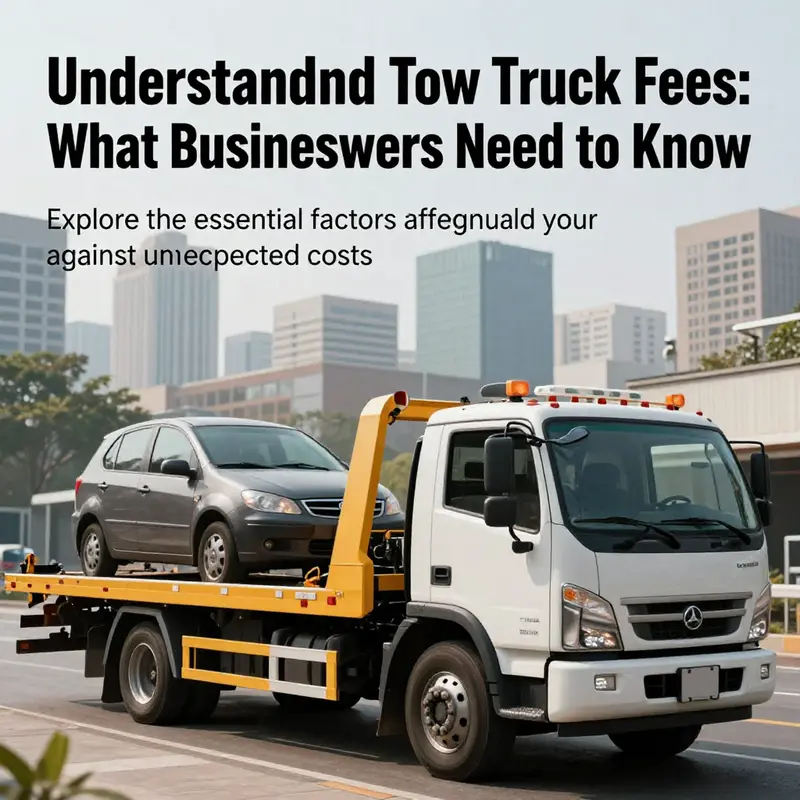
As a business owner, understanding the ins and outs of towing services can save you significant costs and ensure smooth operations. When vehicles experience mechanical issues or accidents, knowing how tow truck fees are structured becomes crucial. Factors such as base fees and distance, the type and weight of the vehicle, and the influence of location and time can all play a vital role in the final bill. This article breaks down these components, empowering you to make informed decisions when engaging towing services, ensuring you are prepared for any roadside emergency without facing unexpected charges.
Tow Pricing Demystified: How Base Fees and Distance Build the Bill
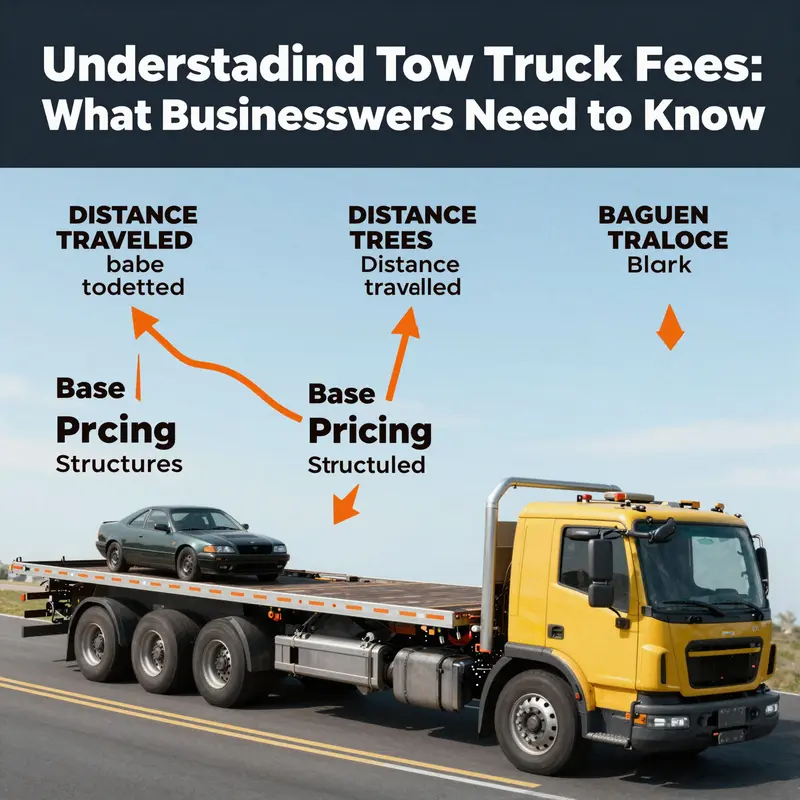
When you suddenly need a tow, the price you pay rarely lands on a single, simple figure. Instead, most providers build the cost from two core components: a base dispatch and setup fee, and the distance the tow truck must travel. This structure reflects not only the work of getting the vehicle loaded and secured, but also the operational realities of moving a car through traffic, coordinating with a shop, and mobilizing heavier equipment when needed. The base fee acts as an entry price that covers the logistics of bringing a tow truck to your location, while the per-mile charge accounts for the distance between the breakdown site and the final destination.
Base fees vary by region and market conditions. Urban areas, where demand is higher and operating costs rise, tend to push the base up. Rural spots may offer lower dispatch charges, but longer drives can still rack up the total quickly. The base fee is charged regardless of whether the vehicle is moved a short distance or a long way, and it often appears on the bill as the initial line item after the call is completed.
Distance charges are the second major driver. The per-mile rate can differ from company to company and may be structured as a flat per-mile price or a tiered system. In many cases, the first 10 miles are included in the base fee or come at a lower rate, with higher rates kicking in after that threshold. In practice, you might see something like 2 to 5 dollars per mile, with the total climbing quickly as mileage adds up. Longer tows, such as a 30- or 50-mile trip to a repair shop or storage facility, can push the final price well beyond 300 dollars, even before considering any optional services. Some operators also advertise a fixed hook-up fee plus a separate per-mile rate, a model sometimes referred to as a hook-and-roll approach. These pricing structures reflect not only the distance, but also the time, fuel, wear on equipment, and the need for specialized trucks when the towed vehicle is large or heavy.
Vehicle size and weight matter too. A compact sedan is cheap to move relative to a full-size pickup, SUV, or commercial van, which require different rigs and more labor. Heavier vehicles may need more manpower and safer securing methods, which translates into higher fees at the outset and across the trip. If the tow involves recovery work, winching over rough terrain, or additional rigging, those tasks add to the bottom line and can appear as separate line items on the invoice. The more complex the job, the more room there is for variation between providers. This is why two tow operators might quote the same mileage but end up with different totals depending on the gear and approach used.
Location and time can tilt the numbers as well. Urban centers with limited curb space, traffic snags, and a dense network of shops lead to higher hourly rates and sometimes longer wait times, which can be reflected in the final bill. Emergency tows during late nights, weekends, or holidays frequently carry surcharges, compounding the cost. The same tow that would cost hundreds on a busy weekday can spring to a higher tier when you add after-hours labor and the possibility of urgent storage at a facility. Keep in mind that some charges are not optional; they apply because the service is being performed during a period when demand is high or when the road network demands extra care.
Beyond base fees and distance, additional charges can surprise the unwary. You may encounter fees for winching, roadside assistance, or if your vehicle is relocated to a storage lot for any length of time. Some shops or towing outfits apply long-distance surcharges when the tow travels across regions, while others only bill per mile. It is common to find a note about fuel surcharges in certain markets, or a temporary adjustment during peak seasons. The safest practice is to treat the estimate as a living document until the tow is complete; ask for a written quote that specifies what is included, what is excluded, and what could trigger extra charges if circumstances change.
To avoid unexpected bills, ask for an estimated total cost upfront and request an itemized quote. A reputable operator will provide a scope of work, a clear mileage tally, and a sense of which portions of the charge are fixed and which depend on distance. If you’re handed a number that seems high, ask how the estimate breaks down and whether any portion is contingent on conditions at pickup or at the destination. Also clarify whether the quoted price covers the path from the breakdown site to the nearest repair shop, or if it assumes storage at a lot for release on a later date. In some cases, drivers can offer alternatives, such as transporting to a closer facility or prioritizing a shorter link in the chain to reduce overall miles.
Armed with this knowledge, you can compare quotes with greater clarity. If a shop or insurer promises a certain total or a bundled price, verify whether the package includes the base fee, distance, and any anticipated extras. Ask whether the distance is calculated from the exact break location to the recipient site, or if there is an added fee for a longer drive or for detours. If the vehicle is already in a region with a preferred repair partner, consider whether the tow can go directly to that shop or if a transfer to another facility would avoid unnecessary miles. Consumers who regularly need towing might weigh options like roadside membership or membership programs that include revisions to dispatch charges, but even then it’s prudent to review the terms of service and any caps on mileage or time.
Finally, remember that the price you see is a snapshot of the situation at a particular moment. Weather, traffic, and the exact location of the breakdown all influence what a tow will cost. A calm, prepared approach—knowing the base fee, understanding the per-mile rate, and asking for a precise upfront estimate—puts you in a stronger position when talking to a dispatcher. It also helps you avoid the practice of accepting a high initial number only to discover later a long list of add-ons. If you want to explore local options that align with your neighborhood and driving patterns, you can check out mikes-towing.
To round out the understanding, it’s helpful to consult an external resource that surveys towing costs across markets and outlines typical pricing ranges. A broad guide confirms that the base charge, distance-driven costs, and after-hours premiums together form the core of a tow bill, with regional nuances and vehicle-specific considerations pulling the total in different directions. This external perspective can anchor your expectations when the call comes in and you face an unfamiliar price. External resource: https://www.aaa.com/drive/towing-costs
When Size and Weight Drive the Price: How Vehicle Type Shapes Tow Truck Fees
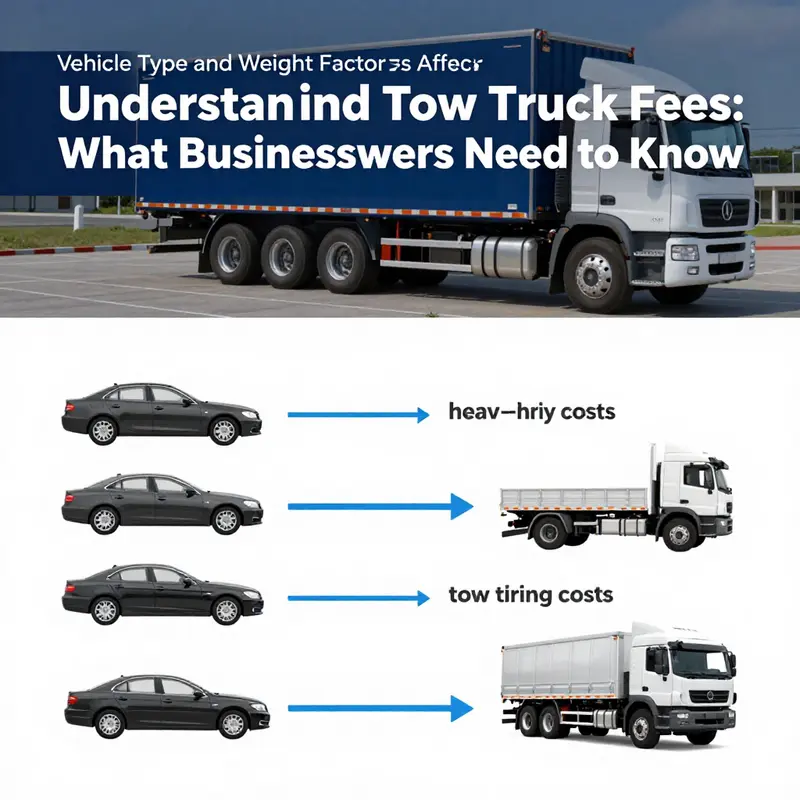
Tow pricing hinges on more than distance. The vehicle being towed – its size, weight, and how it must be handled – largely determines the bill. Many providers charge a base hook up fee plus a per mile rate, but the weight category of the vehicle influences both the choice of equipment and the labor required. Heavier vehicles call for stronger gear and sometimes more crew, which lifts the cost even before travel begins. \n\nFor light cars, a wheel-lift or dolly setup with a single driver is common and tends to keep costs reasonable. For large SUVs, pickups, or commercial vans, heavier weights may require a flatbed or a more robust wheel-lift, along with extra safety measures and longer setup times. This shifts the base fee, the per mile charge, and the likelihood of added charges for additional personnel or winching. \n\nLonger trips interact with weight in meaningful ways: heavier loads can trigger higher per-mile rates or higher base fees to cover equipment wear, fuel, and the time on scene. In urban environments, restricted access can magnify these effects, since slower pacing, special routes, or extra safety measures may be needed. \n\nTo plan with confidence, request a written estimate that shows the weight category, equipment type, and a clear breakdown of base fees, per-mile charges, and potential surcharges. Providing approximate weight or class helps the dispatcher quote accurately and minimizes surprises when the tow arrives.
Tow Truck Costs Unpacked: Location, Timing, and How Fees Add Up
Tow truck pricing hinges on more than the base rate. The two most influential factors are where you are and what time it is. Urban areas tend to mix higher hook-up fees, longer wait times, and steeper per-mile charges because of traffic, demand, and stricter regulations.
Rural and suburban areas are often cheaper per mile but may require longer wait times if fewer providers are nearby. In addition, after-hours and holiday surcharges can raise the final bill, even if the distance isn’t extreme.
Common add-ons include winching, securing a vehicle, or loading into tall vehicles, and some providers also apply fuel surcharges for longer trips. The best defense is to ask for an itemized written estimate that breaks out base fee, mileage, and each surcharge.
Tips to reduce the bill: request quotes from multiple nearby shops, plan your pickup to daylight hours when possible, and provide clear pickup and drop-off locations to minimize drive time. If you can have your vehicle towed to a regular repair shop rather than a remote impound, you may save money too.
Final thoughts
In summary, understanding tow truck fees is essential for business owners to effectively manage expenses and be prepared for emergencies. By comprehending how base fees, vehicle types, and the intricacies of location and time can affect costs, businesses can avoid unexpected financial burdens. It is prudent to ask for upfront estimates and familiarize oneself with the various charges that may apply, ensuring a smoother experience when towing services are required. Being well-informed not only enhances operational efficiency but also contributes to long-term business sustainability.