
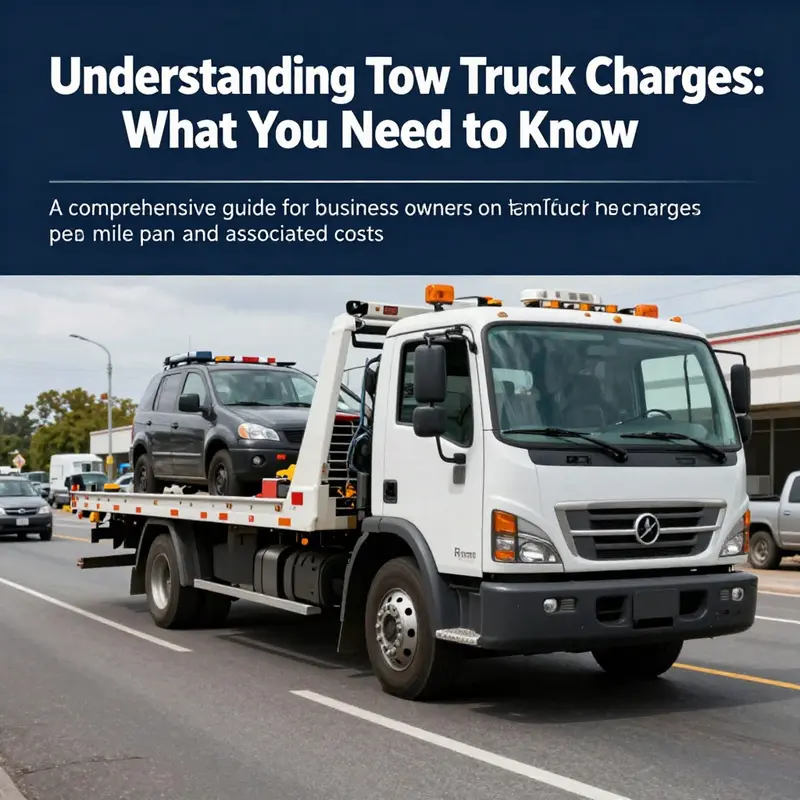
Navigating the costs associated with towing services is essential for business owners who may rely on these services in emergency situations. Understanding how much tow trucks charge per mile is key to anticipating expenses and budgeting accordingly. This guide delves into the intricacies of tow truck pricing, highlighting the definitions of base fees and additional charges, the various factors that influence these costs, and how these charges can vary across different regions. By the end, business owners will be armed with the knowledge to make informed choices concerning towing services.
Tow Pricing Demystified: Base Fees, Distance, and Timing
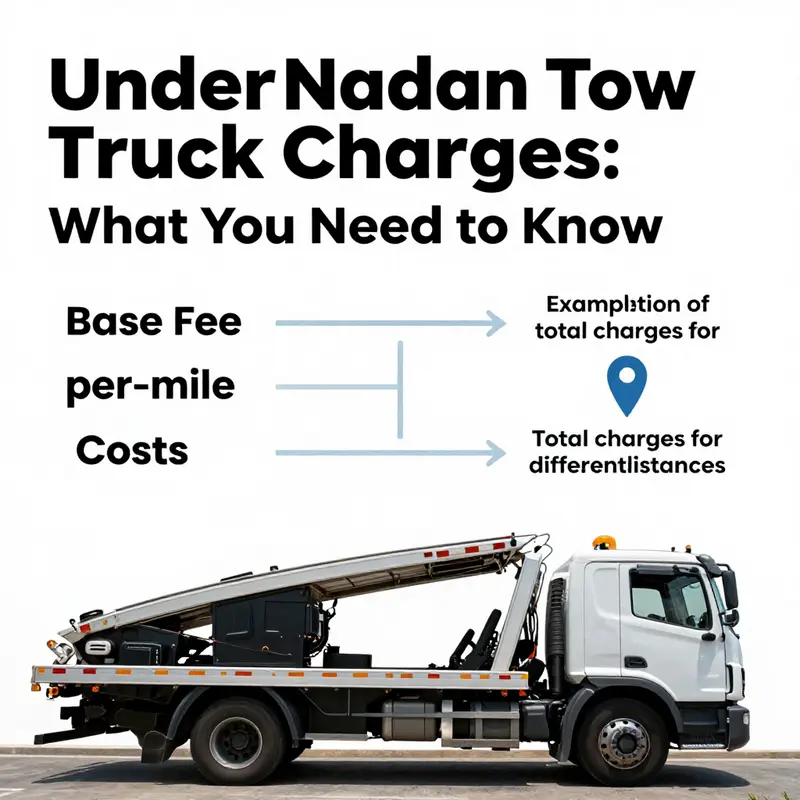
Tow costs are not a single number. Most services start with a base hookup fee and then add a per mile rate. Typical base charges range from about 40 to 100 dollars, while miles can range from 2 to 6 dollars per mile depending on the vehicle and the region. The final price is influenced by distance, vehicle size, time of day, and location. Urban city calls tend to push the base fee and sometimes the per mile rate up, while rural tows may offer lower base fees but longer trips. Some firms use tiered pricing where the per mile rate shifts after certain distance thresholds, reflecting fuel, crew time, and equipment wear. Additional charges can apply for after hours, weekends, remote locations, or heavy vehicles. A reliable quote should itemize base fee, per mile cost, and any surcharges before work begins, so you know what each number represents. To plan ahead, consider comparing a few local providers and asking for a written estimate that breaks down line items. In practice, a short urban tow of 5 miles might land around 60 to 130 dollars, while a long rural haul of 100 miles could reach several hundred dollars depending on the factors above.
Miles, Weight, and Time: Unpacking What Drives Tow Truck Per-Mile Fees
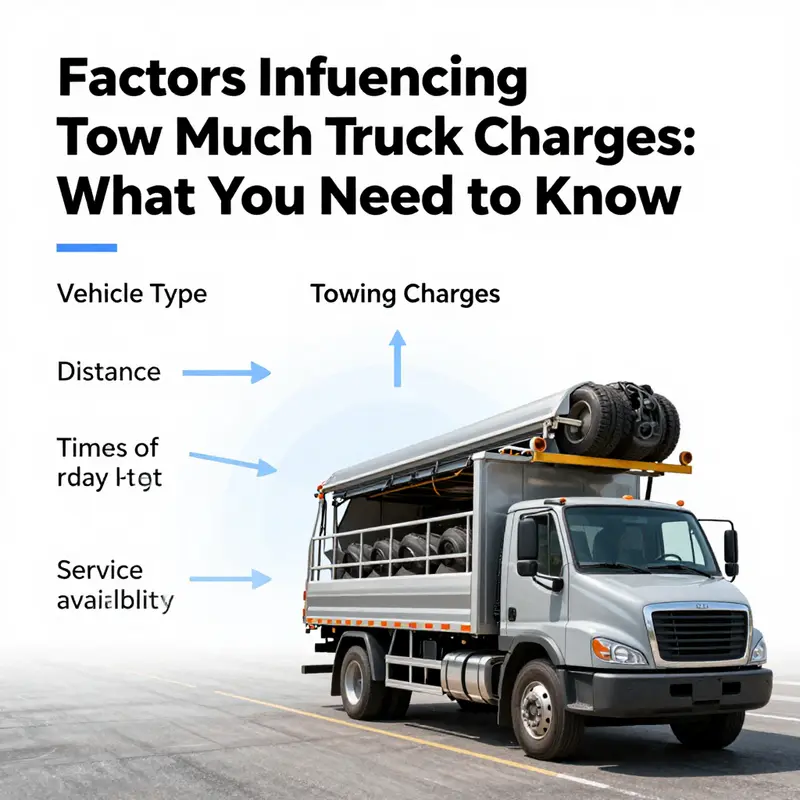
When you’re stranded and a tow truck is on the way, the bill often arrives with layers you didn’t notice at the roadside. The numbers you hear—per-mile rates, base fees, and surcharges—are not a single, fixed price but a tapestry woven from distance, vehicle, timing, and local economics. Understanding why a mile costs what it does can help you read a bill with confidence and spot where a quote might be trimmed or where you should ask questions. At heart, the per-mile charge is a logarithm of several moving parts: distance, vehicle size, the kind of tow, the time of day, and the market where the service is performed. The base fee or starting charge is the entry price—the minimum you pay to have the tow company dispatch a truck and begin service. After that, most companies apply a rate for each additional mile. It’s common to see a starting fee in the range of roughly $50 to $100, followed by a per-mile figure that can vary between about $2.50 and $7, depending on the factors described below. A short five-mile tow might land in the neighborhood of seventy-five to a hundred twenty-five dollars, while a cross-state haul can push into the several hundreds, sometimes beyond six hundred for very long distances. These numbers are not universal, but they illustrate how the math of a tow scales with distance rather than staying flat.
Beyond distance, the vehicle’s size and weight are a major lever in price. A compact car is easier to secure, lighter, and quicker to haul than a heavy pickup or a full-size SUV. Heavier vehicles demand more powerful towing equipment, specialized handling, and sometimes a second operator, which translates into higher per-mile costs. Luxury or high-performance cars can incur even more fees for extra care and protection during transport. The type of tow matters as well: a flatbed tow, which carries the entire vehicle on a platform, is typically more expensive than a basic hook-and-chain tow, because it requires different equipment, rigging, and longer set-up time. The goal for the provider is to minimize risk and maximize control, and the price structure mirrors that calculus. If you want a tangible sense of what a reputable provider considers when pricing, you can review a detailed, itemized quote from a credible shop such as the one shown here: Mikes Towing.
The time of service adds another layer. Late-night requests, weekends, or holidays are often categorized as premium or emergency work. The labor costs rise because staff work outside typical business hours, and dispatch may incur overtime, travel premiums, or on-call stipends. The same logic applies in remote or rural locations where travel distances from a shop to a stranded vehicle are longer and road conditions more challenging. In practice this means that an identical distance in a major city during the day can cost less than the same distance at 2 a.m. on a snowy weeknight in a sparsely populated area, even if the vehicle and distance are the same.
Location itself shapes the math. Urban markets with high operating costs, insurance premiums, and demand pressure tend to push per-mile rates higher. Conversely, rural areas with lower costs of living and smaller fleets may quote lower mileages, though the travel to reach a vehicle may still be lengthy and fuel-intensive. Market dynamics also play a role after events like storms or major accidents, when demand spikes and prices can rise quickly as providers rush to position fleets and fulfill numerous calls. Weather and road conditions add risk, too. If a vehicle is stuck in snow, mud, or a difficult-to-reach location, the tow job becomes more complex. Additional equipment, careful maneuvering, slower speeds, and sometimes longer transport times all feed into the final bill.
The service provider’s policies can tilt the numbers as well. Some firms publish transparent, straightforward pricing with clear lines between base fees, per-mile rates, and any extra charges. Others may advertise low base prices but rely on hidden or variable fees that appear on the final invoice—extra miles, long-distance surcharges, or special handling for oversized vehicles. Insurance requirements, licensing, or contractor networks with insurers can also influence the price you see, because these factors affect the cost of doing business for the tow operator. If you’re preparing for a tow, ask for a detailed, written estimate that breaks out the base fee, every mile, and any potential add-ons before the service begins.
Even when the distance is the central axis of cost, a handful of ancillary fees can turn a modest mile into a larger sum. Emergency or rush fees, long-distance surcharges for very far hauls, special handling fees for oversized or damaged vehicles, and toll pass-throughs on highways are common examples. In some cases, a tow that looks affordable at first glance can accumulate extra charges as you move from one mile to the next, especially if the route involves toll roads or bridges. The safest approach is to request a written estimate that shows a line item for base fee, per-mile rate, and any anticipated extras, and to confirm whether tolls will be charged separately or included in the mile rate.
For readers planning ahead, the path to a fair price starts with shopping and comparing. Don’t rely on a single quote from a single provider. Gather multiple estimates, ensure each quote includes a complete breakdown, and verify the service level and equipment that will be used. A clear explanation helps you compare apples to apples, rather than chasing a low headline price that disappears once fees appear. It also pays to ask about regional differences—some markets consistently run higher or lower due to the factors already described, and the knowledge can save you money when you find yourself in a future pinch. If time allows, discuss alternatives with the dispatcher. Sometimes a slightly longer route or a different vehicle type can bring a meaningful reduction in cost, especially on long hauls where even a small per-mile variance compounds quickly. In the end, the per-mile figure is not a solitary number but a reflection of the practical realities of moving a vehicle from point A to point B under varying conditions. The more you understand these drivers, the better you’ll be at reading the bill and choosing a service that balances price, reliability, and care for your vehicle.
Miles That Matter: A Regional Tour of Tow Truck Per-Mile Charges and What It Means for Your Wallet
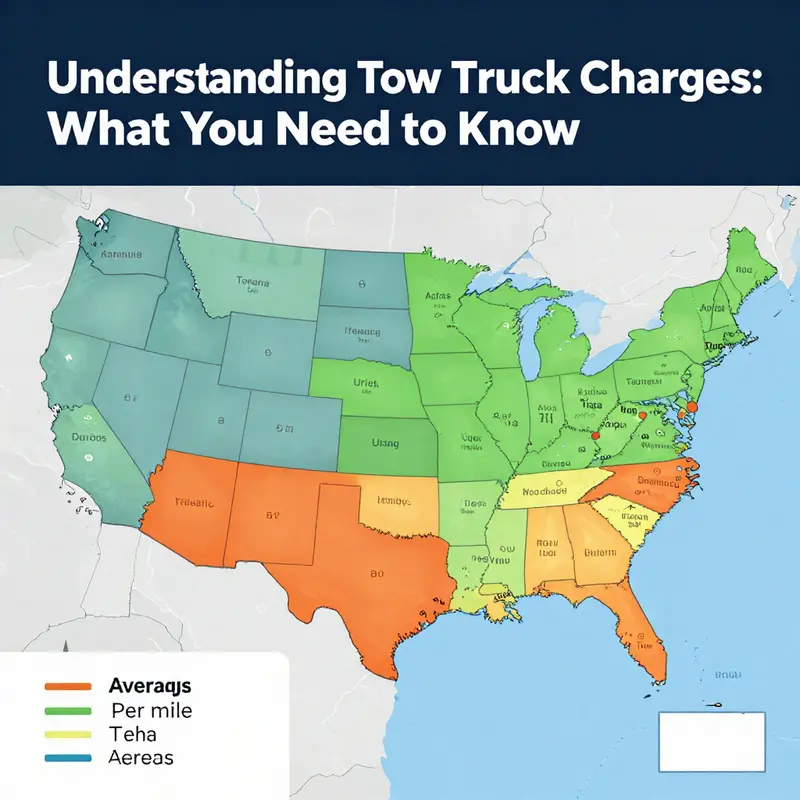
Tow truck pricing is rarely a straight line from point A to point B. It unfolds in a landscape shaped by local wages, insurance costs, vehicle weight, regulatory requirements, and the practical realities of hauling a car through traffic, weather, and sometimes remote terrain. The per-mile portion of a tow can look deceptively simple at first glance—just a rate applied to every mile after an initial fee. But the regional differences are what make the total bill feel like a conversation with a map rather than a single number on a quote sheet. When you understand how regions drive those mile-by-mile charges, you gain leverage to compare options, anticipate the final price, and avoid surprises when your call to roadside assistance finally becomes a bill. In practice, the daily economics of a tow truck operation—fuel, maintenance, insurance, and labor—shape the numbers that appear in your estimate, and the regional mix of those costs creates the most noticeable variance in the final total.
In high-cost urban areas, the price tags tend to climb quickly once you step beyond the initial base fee. Major metropolitan hubs such as New York City, San Francisco, and Los Angeles often feature elevated labor costs and more stringent insurance requirements, both of which push up the amount charged per mile after the base. In New York City, for instance, a basic tow within the city limits can run from about 150 to 250 dollars for the first ten miles, with mileage charges frequently exceeding three dollars per mile thereafter. Los Angeles mirrors that pattern, with the starting amount typically around 150 dollars, but the exact figure can swing depending on distance, time of day, and whether urban parking regulations complicate access or require a longer maneuver. These metropolitan conditions aren’t just about the distance; they reflect a dense operating environment where time is money, traffic floors the clock, and the overhead of keeping a fleet compliant with city standards is baked into the rate. The result is a per-mile structure that seems steep at first glance, but one that aligns with the costs of doing business in big, congested markets.
By contrast, rural and lower-population regions tend to demonstrate a more forgiving per-mile scale. In many parts of the Midwest or the Southern Plains, base fees settle in the range of eighty to one hundred twenty dollars, while per-mile rates commonly fall between about one fifty and two fifty. These figures reflect lower labor costs, simpler regulatory environments, and longer driving ranges between customers. An Iowa county, for example, might set a base around a hundred dollars and charge roughly two dollars per mile after the initial tow. The savings per mile may appear modest, but given the longer distances between towns and fewer emergency call volumes, rural operators often achieve a different balance of risk and reward that still sustains reliable on-demand service.
There are also nuanced urban examples that illuminate how the same general framework plays out differently in nearby markets. Take Chicago, where a tow from a highway off-ramp might begin with an initial charge around one hundred seventy-five dollars and a per-mile rate near two dollars and seventy-five cents. The higher base and elevated mileage fee reflect not only local operating costs but the logistical complexities of navigating dense expressways and regulated towing zones. In Boise, Idaho, the same service may cost far less initially—around ninety dollars—with a per-mile figure closer to one eighty. The divergence here underscores how regional demand, regulatory oversight, and terrain interact to shape the overall price, even when the service type—the same basic tow—remains constant. Beyond the numbers, these examples hint at a broader truth: proximity to dense markets, regulatory stringency, and the specific competitive landscape mold pricing more than any single factor could alone.
Regulation plays an outsized role in shaping transparency and predictability in pricing. Regions with strict disclosure requirements, such as California and New York, tend to equip consumers with clearer upfront breakdowns, reducing the likelihood of hidden fees masking the per-mile expense. In places with looser oversight, the same miles may carry a wider spread of possible totals, because charges beyond the base fee can depend more heavily on the particular operator’s practices, fuel surcharges, or discretionary “waiting time” fees when a driver must hold a vehicle for a period. For shoppers who care about getting a straight answer, this regulatory backdrop matters a great deal. It influences not only the final number but the confidence with which a caller can compare quotes from different providers.
For consumers evaluating cost, the regional lens is essential, but the best next step is obtaining a detailed, itemized quote before any work begins. Ask for the base fee, the per-mile rate, tolls or access charges, and any flatbed or special equipment surcharges. Clarify whether the mileage is charged in both directions or only the return trip, and whether off-peak or rural calls carry a premium. If the quote seems ambiguous, request a written breakdown that you can compare against a similar estimate from a nearby competitor. To illustrate how local platforms can aid that comparison, consider a concrete example of a local market pricing page, such as cheap-towing-service-houston-tx, which offers a snapshot of how one market structures charges and how a customer can anticipate the bill as distance adds up. For a broader sense of regional differences, you can consult rate-comparison platforms that aggregate user-reported data and market trends, which help translate the regional puzzles into apples-to-apples estimates.
In practice, the smartest approach is to anchor your understanding in a few reliable questions, then let the region do the rest of the work. If you live in or are traveling through a big city, anticipate a higher starting fee and a per-mile rate well above two dollars after the initial miles. In rural areas, expect a lower base, with per-mile charges hovering in the lower dollar range. The weight of the vehicle, whether the tow uses a flatbed or a hook-and-chain method, and the time of day or remote location can tilt these figures, but the regional frame remains true: urban markets demand more, rural markets demand less, and regulation nudges the numbers toward transparency.
External resources can provide additional guidance as you plan ahead. For instance, an industry resource such as https://www.towing.com offers region-specific rate comparisons based on market trends and user-reported data. When you combine regional awareness with a clear, itemized quote from a provider, you’ll be better prepared to navigate the miles that lie between you and a settled bill. By seeing how regions shape the mile-by-mile calculation, you gain a clearer sense of value and a sharper lens for evaluating quotes wherever you are on the map.
Final thoughts
Understanding how much tow trucks charge per mile involves more than just the price per mile; it encompasses base fees, extra costs, and numerous factors unique to each towing scenario. For business owners, this knowledge is vital for proactive budgeting and effective decision-making in emergencies. By evaluating the various influencing aspects and regional differences, business owners can secure fair pricing from towing services, ensuring their operations are not hindered unexpectedly.