
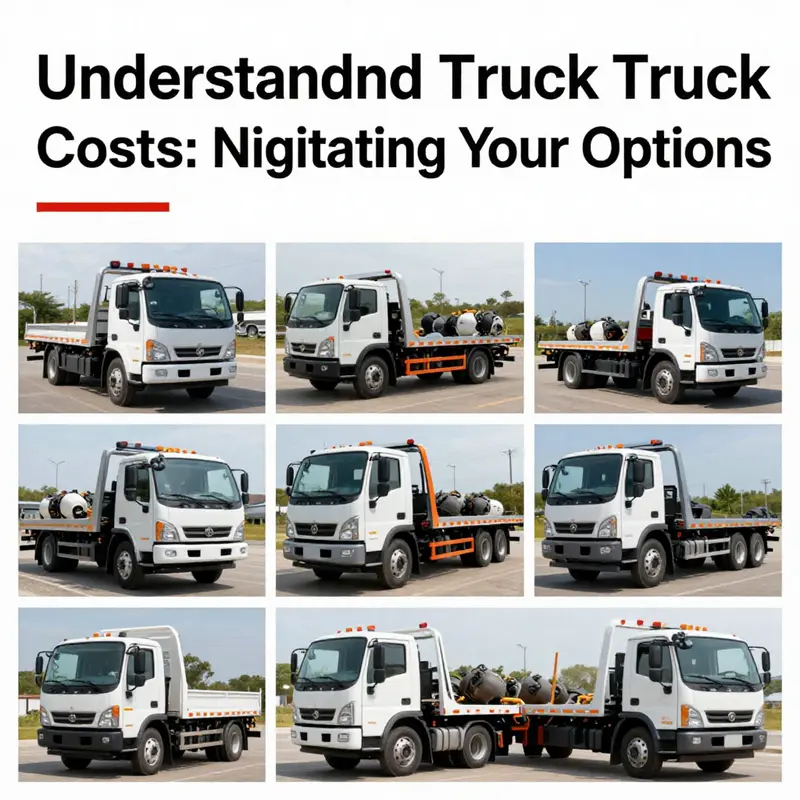
Choosing the right towing truck is a significant investment for any business owner involved in transportation and vehicle recovery. The cost of a towing truck varies greatly based on factors such as size, capacity, and the specific features that come with different models. This article delves into the cost analysis of towing trucks, breaking it down into three critical categories: light-duty, medium-duty, and heavy-duty trucks. By exploring each category, business owners will gain insights into pricing ranges and consider factors affecting these costs, which will ultimately aid in making informed purchasing decisions.
Beyond the Sticker Price: Decoding the Cost of Light-Duty Tow Trucks
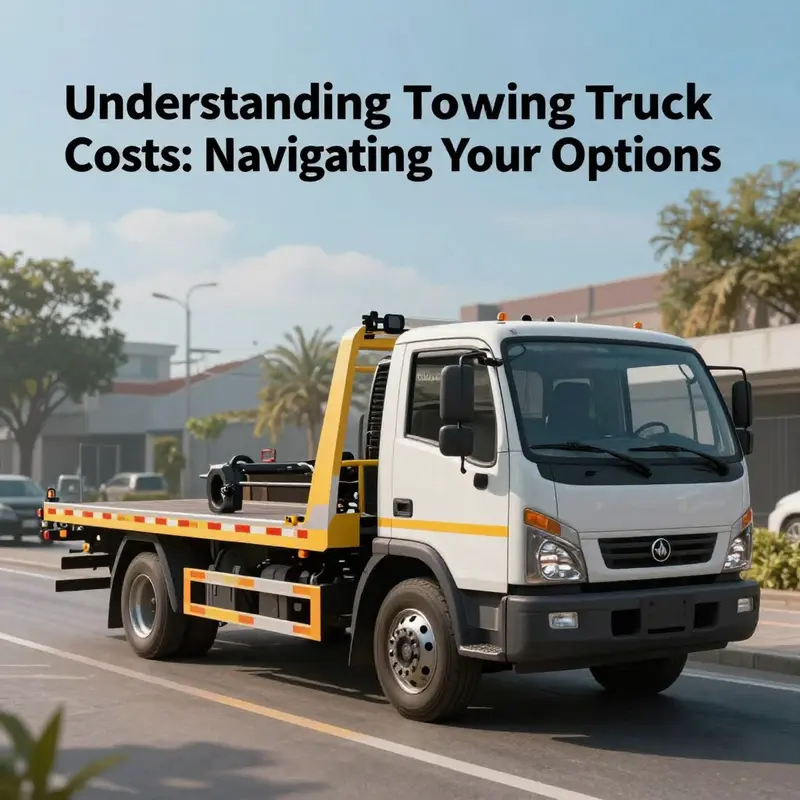
Cost for light-duty tow trucks is not a single number but a spectrum shaped by capacity, equipment level, and the duties a fleet expects. In many new-market listings, a fully equipped light-duty wrecking truck sits in the range of $50,000 to $100,000. This band reflects more than the base engine; it covers the bed type, lifting system, hydraulics, and the electronics that govern winches, cranes, lighting, and safety controls. Yet the market also shows cheaper entries, especially for bare bones configurations or used units. Catalogs occasionally surface with price tags around $12,800 to $39,800, often for chassis plus simplified packages that require additional upgrades to be ready for professional service. Those divergent numbers illustrate a wide delta between minimal equipment and a turnkey service truck that can meet day-to-day demand in busy urban corridors. The contrast is not just about upfront cost but about how quickly a truck can be deployed and kept in service when responding to tight schedules and crowded streets.
Within the higher end of the spectrum, most buyers pay more to secure a flatbed or wheel-lift setup with a crane, a dependable hydraulic system, and a robust warranty. The choice between a flatbed and a wheel-lift affects both upfront cost and the kind of damage risk a recovery operation takes on. A flatbed’s durability and versatility often justify higher upfront costs for fleets that value gentler transport of vehicles across urban environments, while wheel-lift configurations can offer faster repositioning for on-scene towing in some scenarios. Brand reputation, build quality, and after-sales support also drive price differences, because fleets weigh the benefits of minimized downtime against the price of ongoing service. Diesel engines remain a staple for many operators because of proven reliability and ease of maintenance, but electrification is nudging its way into the market. Battery-electric and hydrogen-powered light-duty trucks promise lower emissions and potentially lower operating costs, though their upfront price premium and the cost of battery replacements must be weighed against the longevity of the system and the expected duty cycle. This is where the math becomes a true forecasting exercise for a fleet’s annual load and roadside demand.
From a total-cost-of-ownership standpoint, the biggest upfront price is only part of the story. A truck bought at the lower end might require frequent maintenance, premature wear parts replacements, or upgrades to safety systems after delivery, pushing the life-cycle cost above that of a higher-priced unit with a stronger warranty and better diagnostics. In contrast, a more expensive model with a proven service network, longer warranty, and easier maintenance can reduce downtime and crew fatigue, which translates into more productive shifts and lower per-tow costs over time. This means fleets must balance capital expenditures with operating expenses, planning for depreciation, resale value, and the possibility of future upgrades that respond to city rules on emissions and traffic-management integration. It is not just what you pay upfront but what the truck costs to keep working when the siren goes off and a tow must happen fast and safely.
Electrification adds a further layer to the calculation. Diesel remains familiar and often cheaper at the point of purchase, while electric powertrains promise quieter operation and lower emissions in dense urban zones. But battery packs and charging assets introduce new costs, and the economics depend on how hard the truck works, how you charge, and how soon you need to replace batteries. Industry studies hint that, for many fleets, electrified powertrains can win on lifecycle costs in the right duty profiles, even when initial prices are higher. For anyone evaluating whether to expand a fleet now or plan a future switch, a careful lifecycle cost model that includes maintenance, energy, downtime, and incentives is essential. This is where rigorous planning reduces the guesswork and aligns fleet strategy with long-term costs rather than short-term sticker prices.
To put this discussion in perspective and to connect it with practical decisions, consider cross-checking with local operators and dealers who routinely tailor equipment to real-world tasks. A quick reference point for further reading on fleet electrification and lifecycle costs is the following external resource: https://www.sciencedirect.com/science/article/pii/S030142162300789X. For a concrete sense of what a local towing operation might offer, you can also explore a provider such as Mikes Towing (https://mikes1towing.com/mikes-towing/).
Balancing the Bill: The Real Economics of Medium-Duty Towing Trucks
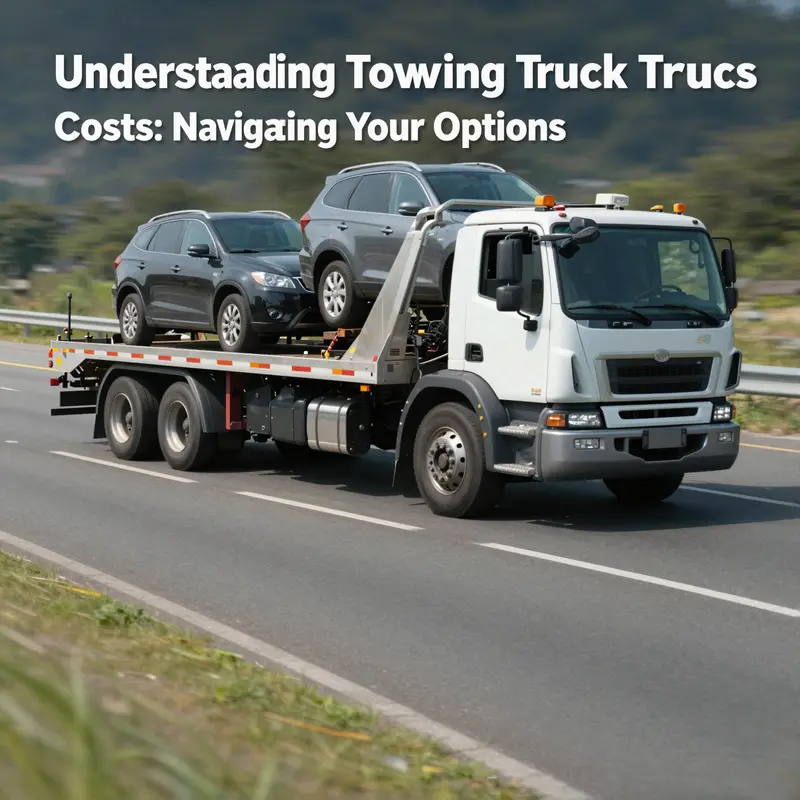
Cost analysis for medium‑duty towing trucks starts with a straightforward premise and quickly unfolds into a holistic view of ownership. The sticker price on a 5-ton class platform can be deceptive, because the true cost of ownership hinges on a lifecycle that includes not only the initial purchase but also fuel or electricity, maintenance, labor, and evolving regulatory requirements. In market terms, a basic 5-ton, four‑wheel‑drive towing truck can sit in the high twenty-thousands for a single-unit purchase, with incremental volume discounts pulling the price down toward the low twenties, and substantial reductions when fleets place recurring orders. This range can be contrasted with what fleets may pay for multiple units, where economies of scale begin to show. Even if an operator negotiates toward the lower end of the scale, the first decision is not merely “can we afford this truck today?” but rather, “what will it cost over the asset’s life, and how does that affect dispatch capacity and service reliability?” The medium‑duty class sits at a crossroads where maneuverability and payload meet practical operating costs, and the math must extend beyond the purchase invoice to the daily economics of getting calls answered and vehicles moved safely and efficiently. A crucial piece in that calculus is the drivetrain configuration, especially as electrification becomes more common. Research from a European technical center highlights that the upfront cost pressure from battery systems can be substantial. Yet the same work stresses that to keep the total cost in check, manufacturers should pursue an integrated approach to product development and production costs, selecting the drivetrain variant that delivers the best balance of performance, reliability, and long-term expenditure. In other words, a system that looks expensive at the showroom floor may become more economical in service if other components are optimized to reduce maintenance and energy use over the vehicle’s life. Beyond the powertrain, the type of towing truck chosen matters for total cost too. Flatbed or rollback models, favored for minimizing damage during transport, also demand skilled operation and careful load management. While they may reduce liability from payload mishaps, their upkeep—winches, hydraulics, and tires—adds layers of ongoing expense. The choice between configurations is rarely about which is cheaper upfront but about which yields lower costs per mile and higher uptime over years of use. In practice, this means fleet planners must weigh upfront capital against long-run running costs, as well as the non-monetary but critical factors of safety and regulatory compliance. When regulatory landscapes shift, the cost equation can tilt again. A notable development in the United States is the ongoing Section 232 tariff exemption process for medium- and heavy-duty trucks, and for their parts and buses. Beginning February 2, 2026, importers can seek exemptions by proving sufficient U.S. content—components and production activities originating in the United States or within the USMCA region. The practical effect is a potential reduction in the non‑U.S. portion of the value, which directly lowers the landed cost of equipment and parts for eligible models. The program is retroactive to November 1, 2025, creating a window for refunds on tariffs already paid and shaping capital budgeting for fleets that import components or assemble trucks domestically. For buyers and operators, this regulatory nuance means that the same chassis, engine, or hydraulic system could cost more or less depending on where and how it is manufactured, and whether it qualifies for exemptions. In tandem with tariff policy, import strategies and supplier selection influence long-term costs, especially when considering the need for local service, warranty coverage, and parts availability. The economics of medium‑duty towing trucks, therefore, demand a careful synthesis of upfront pricing, projected energy use, maintenance schedules, operator training, and the evolving regulatory framework that governs trade and tariffs. This integrated view helps explain why a seemingly modest price tag can unfold into a complex budget story that touches dispatch planning, driver workloads, and service levels across the fleet. For practical guidance on local options and service considerations, readers can explore the broader context of towing services in Houston, which offers a concrete reference point for understanding how a technician’s time and travel costs influence total lifecycle expenses. See towing services in Houston. As the chapter moves forward, the conversation about cost will increasingly intersect with policy signals and technology choices, reminding us that the price of a medium‑duty tow truck is, in fact, the tip of a much larger financial iceberg. For a formal overview of tariff exemptions and how they apply to MHDVs and related parts, the Federal Register notice provides authoritative detail: https://www.govinfo.gov/content/pkg/FR-2026-02-02/pdf/2026-02478.pdf
Heavy-Duty Towing Trucks: A Thorough Cost Analysis Across Purchase, Operation, and Value
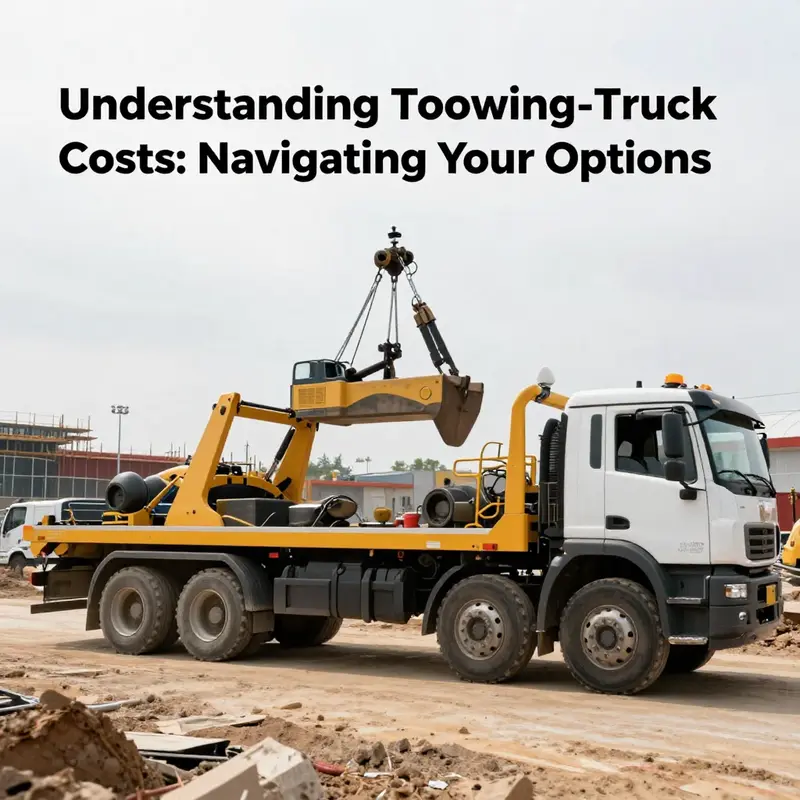
Heavy-duty towing trucks sit at a pivotal crossroads where engineering durability meets financial feasibility. The heavy-duty class, designed to recover large vehicles, construction equipment, and other heavy assets, commands a substantial upfront investment. Industry ranges suggest sticker prices typically sit from the mid five-figures to well over six figures, with cost drivers including chassis strength, hydraulic systems, winch capacity, deck length, and the sophistication of integrated boom mechanisms. The exact price tag hinges on configuration, powertrain options, and the level of automation or control systems chosen. While the raw sticker price is important, it is only the opening act in a broader financial performance story. Buyers must weigh how the truck will perform under sustained demand, how quickly it will depreciate, and how efficiently it will operate day to day across a fleet. For readers exploring local fleets or regional procurement, practical considerations emerge quickly: a higher upfront cost can be justified if it translates into reduced downtime, safer towing operations, and longer service life.
Beyond the initial purchase, the ongoing costs of ownership shape the total cost of ownership (TCO) more than many buyers expect. Fuel consumption rises with engine power and load. A typical heavy-duty wrecker pushes fuel burn higher during long recovery runs and when lifting substantial weights, so fuel economy becomes a material delta in operating budgets. Labor is another significant line item. Operators must be skilled enough to handle complex cranes, high-torque winches, and precise boom maneuvers. This often means specialized training and certification, adding to personnel costs but paying off in reduced accident risk and faster, safer recoveries. Insurance premia also reflect the equipment’s risk profile, including potential downtime and liability exposure during large-vehicle incidents. These operating factors must be integrated into a comprehensive budget rather than viewed as separate line items.
Maintenance costs for heavy-duty tow trucks are pronounced and ongoing. The hydraulic system, winch gear, and chassis experience substantial wear due to the heavy loads and dynamic stresses of real-world recoveries. Tires, bearings, and braking systems are under continuous demand, especially when a fleet runs multiple incidents per week. The maintenance envelope often includes periodic major overhauls of hydraulics and pumping systems, which can be expensive but essential to preserve lifting capacity and safety. Fortunately, there are favorable dynamics in the manufacturing ecosystem that can moderate these costs. Regions with mature supply chains and established service networks tend to offer more favorable parts pricing and quicker turnaround times for repair work. As a result, per-unit maintenance costs can be lower than in markets where parts are scarce or service is patchy. This creates a compelling argument for buyer diligence: align procurement with reputable suppliers who can deliver timely parts, reliable warranties, and predictable service intervals.
When evaluating long-term value, integrated tow trucks—the designs that combine the tow boom, winch, and deck within a single chassis—often present advantages beyond raw capability. A well-engineered integration can lead to better weight distribution, reduced wear on critical joints, and longer component life. In practical terms, that translates into steadier uptime and lower total cost of ownership over the vehicle’s life. Government incentives and grants aimed at logistics efficiency and the adoption of greener technologies can further tilt the economics in favor of newer, more efficient heavy-duty models. Even in markets without direct subsidies, the resilience of a robust, well-supported fleet can offer predictable budgeting and lower risk of unforeseen repair spikes, which is particularly valuable for operators with tight service-level commitments.
For buyers eager to quantify these dynamics, the recommended approach is direct supplier engagement. Request quotes that include configuration options, warranty terms, expected delivery timelines, and shipping costs. It is also prudent to compare the total cost of ownership across multiple setups, accounting for maintenance plans and potential resale value at different intervals. If you are mapping a regional strategy, you may find it helpful to consult fleets that operate in nearby markets and review how their cost models reflect geography, labor availability, and parts access. For more on fleet considerations in a market like Houston, you can explore fleet options and trends at tow-trucks-in-houston. As you refine the numbers, remember that the most cost-effective choice balances upfront investment with durable performance, low downtime, and a service ecosystem that keeps the wheels turning when every minute counts. This perspective helps ensure that the chapter’s price tags translate into real value across the life of the asset.
External reference: https://www.alibaba.com/product-detail/Sinotruk-Cnhtc-HOWO-8X4-50t-Heavy-Duty_1600729347755.html
Final thoughts
Understanding the diverse costs associated with towing trucks is essential for business owners who rely on them for effective vehicle recovery and transportation services. Each category—light-duty, medium-duty, and heavy-duty—offers distinct advantages tailored to specific operational needs. By gauging the pricing ranges and ensuring a proper fit for your business, you can optimize your investment in towing trucks and enhance your service offerings. Remember, making an informed choice is key to successfully navigating your business’s needs.