
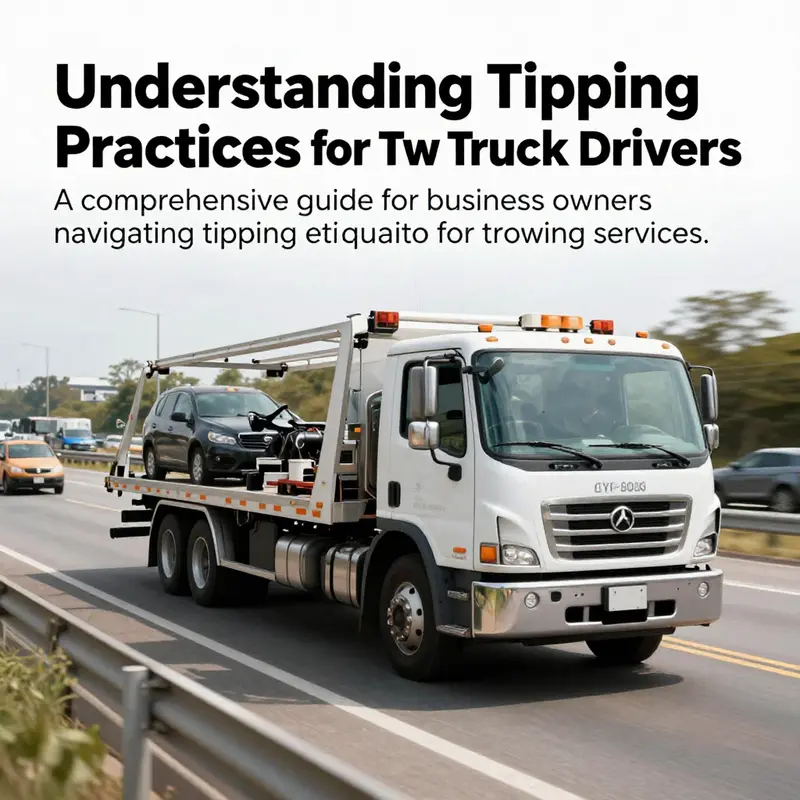
Navigating the nuances of tipping can be complex, especially in service-oriented industries like towing. For business owners, it’s crucial to understand when, and if, to tip tow truck drivers. Factors such as the nature of service provided and local customs play a significant role. This guide will delve into the situational factors influencing tipping practices as well as the local customs and policies that may impact your decisions. By exploring these aspects, business owners will be better equipped to handle the intricacies of tipping tow truck drivers in various circumstances.
Gratuity on the Road: Reading Situational Cues for Tipping Tow Truck Drivers
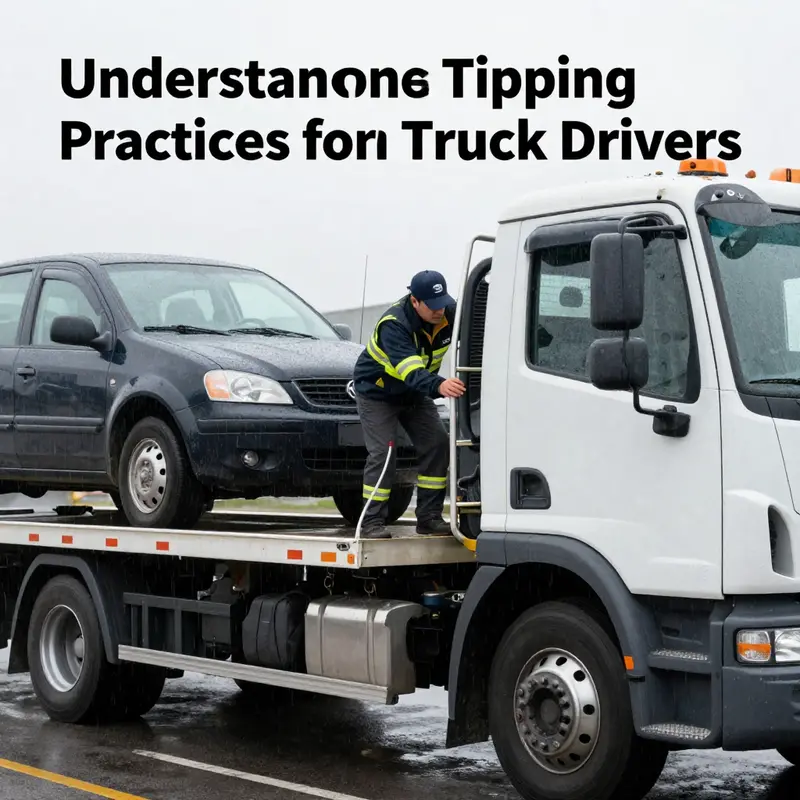
When you’re stranded on the side of a highway, or stuck in a dark parking lot after a late shift, the question of tipping a tow truck driver isn’t the headline you expect to see. Yet in many conversations about roadside assistance, gratuity becomes a practical and human way to acknowledge a job well done. The core idea isn’t that tipping is mandatory; it’s that tipping is a voluntary gesture tied to the quality of service, the context in which it was delivered, and the local norms that shape how generosity is perceived on the road. The story of tipping a tow truck driver isn’t a single rule but a set of situational cues that help you gauge when a tip is appropriate and how best to express appreciation without complicating the practical realities of emergency transport.
At the heart of the matter lies a simple truth: standard towing services carry a price tag that already reflects labor, transportation, and often equipment use. Many companies include all labor and service costs in their quoted fee, and in those cases a tip isn’t expected. This is not a hard-and-fast rule everywhere, and it can vary by region, by company, and by whether the driver is an independent contractor or an employee. For many drivers, especially those who work with small or independent outfits, tips can contribute meaningfully to their take-home pay, especially in busy or challenging conditions. What matters most is the context in which the service is provided and whether the driver went beyond the call of duty. In the high-stress moments that accompany a breakdown, the scale of your gratitude can reflect the level of effort you observed, not merely the magnitude of your problem.
Urgency and stress shape tipping behavior as decisively as the service itself. When a tow truck arrives quickly in poor weather, at night, or in a remote location, the driver’s role becomes crucial in managing safety, reducing risk, and restoring some normalcy to a chaotic situation. In those moments, the immediacy of help can heighten the customer’s appreciation and willingness to acknowledge extra effort. The driver may have navigated hazardous roads, avoided other hazards, or spent longer on the scene than planned to secure the vehicle and arrange safe transport. A gesture, even modest in size, communicates that the customer recognizes the added difficulty and the extra time spent to ensure a secure recovery. This isn’t a comment on the price of the service; it’s a reflection of the human element—the long hours, the exposure to weather, the practical problem-solving in real time, and the visible commitment to safety.
Beyond the urgency, the provision of extra assistance often tips the balance toward gratuity. A driver who doesn’t stop at the basics but instead extends help—such as offering to switch a tire, helping you find your registration, providing a blanket or water, or guiding you through the process of securing a vehicle for transport—creates an enhanced customer experience. Those small, concrete acts of care transform a stressful situation into a sense that someone is looking out for you beyond the minimum requirements. Customers who notice these gestures frequently respond with a tip, viewing the driver as a partner in solving a problem rather than a distant technician completing a task.
Professionalism and communication are equally central to tipping decisions. The most memorable drivers are not merely skilled with the winch and chains; they are calm, patient, and clear in their explanations. They communicate what they’re about to do, what you should expect, and what the follow-up steps will entail. They acknowledge your questions without hurry, respect your space, and maintain a steady, reassuring presence from arrival to departure. In contrast, a driver who seems rushed, curt, or dismissive can dampen the spirit of gratitude, even if the job is performed safely and efficiently. The tipping conversation, then, is as much about the interaction as about the mechanics of the service. It’s the human touch that often shapes whether a small token of appreciation feels fitting rather than forced.
The perceived value of the service also matters. Tow jobs vary widely—some involve close, short-distance recovery in well-lit urban streets, while others demand long hauls, complex logistics, or the use of specialized equipment to handle a vehicle in a difficult position. A tow truck that requires careful maneuvering around traffic, or one that involves transporting a classic car with fragile components, naturally conveys more effort and risk. In these cases, customers may view a tip as a proportionate acknowledgment of the complexity and skill involved. Conversely, straightforward recoveries in familiar, safe environments may not evoke the same sentiment. The value judgment is ultimately subjective, anchored in the customer’s sense of the effort and risk the driver assumed to complete the job.
Cultural norms and regional practices also shape tipping expectations. In some parts of the United States, tipping tow truck drivers is common practice, and drivers may anticipate tips, particularly for more demanding recoveries or longer transports. In other regions, tipping for standard tows may be less customary, and some companies even discourage tips to maintain policy alignment or to ensure fairness across customers. The safest approach early in the encounter is to ask about company policy if the dispatch or driver hasn’t communicated it clearly. This simple step respects the business model and helps prevent misunderstandings that can overshadow the service you needed in a moment of urgency.
What about the numbers? When tipping is appropriate, customer expectations tend to cluster around a few practical ranges, though there’s no universal standard. After a major tow or a recovery that required considerable effort under difficult conditions, a tip in the range of twenty to fifty dollars is not unusual in many regions, with the driver’s discretion and the job’s complexity guiding the final amount. In less demanding situations, a smaller tip—such as ten dollars or so—can be a generous yet practical expression of appreciation. It’s important to note that these figures are not formal guidelines, but rather reflections of common practices observed in various locales. If you’re dealing with a service that involved the driver’s extra miles, extended time on site, or unusual risk, adjusting your tip upward to reflect those factors can feel appropriate.
Given that tipping practices are not uniform, the prudent path is to confirm local norms and company policies before offering gratuity. A quick call or a conversation with dispatch can clarify whether tipping is welcome or discouraged, and whether tips should be given directly to the driver or returned to the business. Some companies, for policy consistency or tax reasons, ask drivers to pass tips to the shop; others permit passing gratuities directly to the individual. A simple confirmation not only respects policy but also prevents awkward moments during or after the service. In practice, most drivers appreciate the opportunity to accept a tip directly, as it verifies the gratuity is intended for their own effort and not redistributed at a later time. Still, a few workplaces may treat tips as contributions to the overall business, especially where drivers are employed by a larger organization rather than working as independent contractors.
Carrying practical considerations into the moment helps keep gratuity simple and respectful. When you’re faced with a tow, keep small, ready-to-use denominations in your wallet. A few dollars in a five, a couple of ones, and a larger bill can cover a modest tip, a more substantial gesture, or a situation that calls for gratitude without creating a burden for you. In the aftermath of a tense scenario, a clear, calm explanation of your intent can also matter. A straightforward line such as, “Thank you for your help; you’ve been very professional. I’d like to tip you for the exceptional service,” can set the tone and avoid misinterpretation. If you’re in a place where tipping feels unusual, a personal note of thanks or a brief positive review can be a meaningful alternative, acknowledging the driver’s professionalism when a cash gratuity isn’t appropriate.
There is also a broader ethical dimension to tipping that’s worth acknowledging. Roadside assistance often involves a precarious mix of expertise, physical labor, and exposure to potentially dangerous situations. A tip, when offered, is an acknowledgment that the service was delivered with care for safety and a commitment to helping the customer regain control of a stressful moment. It’s not an entitlement but a human gesture that recognizes effort, discretion, and the ability to navigate uncertainty with composure. As with any act of gratuity, the most respectful approach centers on transparency, consent, and an appreciation of local rules. That means you do not feel obligated to tip in every circumstance, but you do consider it when the service stands out in ways that matter to you—the kind of experience that leaves you feeling less vulnerable and more cared for.
To give readers a practical anchor, consider this scenario: you’re stranded on a rain-slick highway shoulder. The driver arrives promptly, speaks in a calm, reassuring tone, and explains the steps they’ll take to secure the vehicle and arrange safe transport. They offer a few helpful tips about what to do next and stay on the scene only as long as necessary to complete the job. In that moment, a tip isn’t just a monetary gesture; it’s a tangible sign that you recognized the driver’s effort to restore a sense of order and safety. In contrast, if the driver is polite but the service feels rushed and cursory, you might opt for a smaller tip or none at all, choosing instead to leave positive feedback with the company or through an online review. The point is not to chase a universal number, but to calibrate your response to the service quality, the conditions, and your capacity to show appreciation without complicating the situation further.
For readers seeking a broader perspective on tipping customs and expectations within roadside assistance, additional insights can be found in resources that compile regional norms and best practices. One place to start is a comprehensive guide that covers etiquette, policy considerations, and the ways in which customers and providers navigate gratuity in real-world scenarios. This larger framework can help you interpret the cues described above as part of a larger conversation about respectful tipping and professional service on the road. If you want to explore a practical example closer to home, you can also consult local resources or ride-along experiences that discuss how gratuity fits into everyday roadside help and the social dynamics of service work on the move. To delve deeper into these broader conventions, the guidance from reputable organizations is often a valuable touchstone while you’re deciding how to respond in a moment of crisis.
In the end, the bottom line remains straightforward: tipping a tow truck driver is not a universal expectation, but it remains a meaningful way to acknowledge outstanding service, especially when the driver has faced or mitigated significant difficulty. The decision to tip should reflect the specifics of the encounter—the urgency, the extra help, the driver’s professionalism, and the perceived value of the service—along with your local customs and company policies. If you’re ever unsure, a brief check with dispatch, a modest tip if it seems warranted, and a note of appreciation to the driver or the company can all be appropriate. It’s the combination of practical courtesy and thoughtful discernment that makes gratuity a constructive, human response to a difficult moment on the road.
For a concise reminder of how these factors come together in everyday decisions, consider the following approach: assess the situation’s urgency and risk, note any extra assistance or clear communication, reflect on the complexity of the task, and weigh the local norms and company policy. If the answer to “Did the driver go above and beyond?” lands yes, a tip can be a welcome gesture. If not, express gratitude through a quick compliment or a written review, which can be equally impactful for a service provider who relies on word-of-mouth and reputational goodwill. And if you’re curious about how others practice tipping in your area, you can find more context and examples in credible sources that translate regional behavior into practical guidance for drivers and customers alike.
To connect this reflection to a broader understanding of roadside etiquette, you can explore additional perspectives at mikes-roadside-service. This resource offers practical context on how roadside assistance teams operate, the kinds of services they deliver, and how customers can approach interactions with fairness and respect. For readers who want a more formal regulatory or policy frame, looking to established guidelines can help ensure your actions align with both local practice and the company’s expectations. And as you consider your next roadside moment, remember that tipping is ultimately a personal choice anchored in gratitude, professionalism, and a sense of shared responsibility for safety on the road. If you need a quick reference, a quick check with the dispatch can save you from misinterpreting a policy that could otherwise affect a driver’s ability to accept gratuity. The most important takeaway is to approach tipping with clarity, empathy, and an awareness of the practical realities that define roadside assistance in your area.
For those seeking external context on tipping practices and roadside etiquette, broader resources offer further guidance. A trusted nonprofit or industry guide can illuminate regional habits and practical considerations that impact how gratuity is perceived and delivered. In many cases, these sources reinforce what the on-the-ground experience already suggests: tipping is a personal gesture that should reflect the service delivered, the environment in which it occurred, and the norms that govern the community you’re in. They also remind readers to respect company policies and to recognize that drivers may be compensated differently depending on whether they are employees or independent contractors. By combining practical judgment with an understanding of local expectations, you can approach tipping with confidence and sensitivity, even in moments of high stress on the road.
In sum, tipping a tow truck driver is not a universal obligation, but it is a meaningful way to acknowledge exceptional service, especially when urgency, extra effort, professionalism, and value align in a difficult moment. The cues described here—speed and safety under pressure, helpful extras, courteous communication, and the skill to navigate complex logistics—provide a practical framework you can apply in real time. When in doubt, prioritize policy clarity, trust your own judgment about the service quality, and remember that gratitude, expressed appropriately, can be the kind of support that helps both customers and drivers get back on the road with mutual respect.
External reference: For broader tipping customs and roadside assistance expectations, see the AAA guide at https://www.aaa.com/.
When a Roadside Gesture Counts: Navigating Regional Tipping, Policy, and Courtesy for Tow Truck Drivers
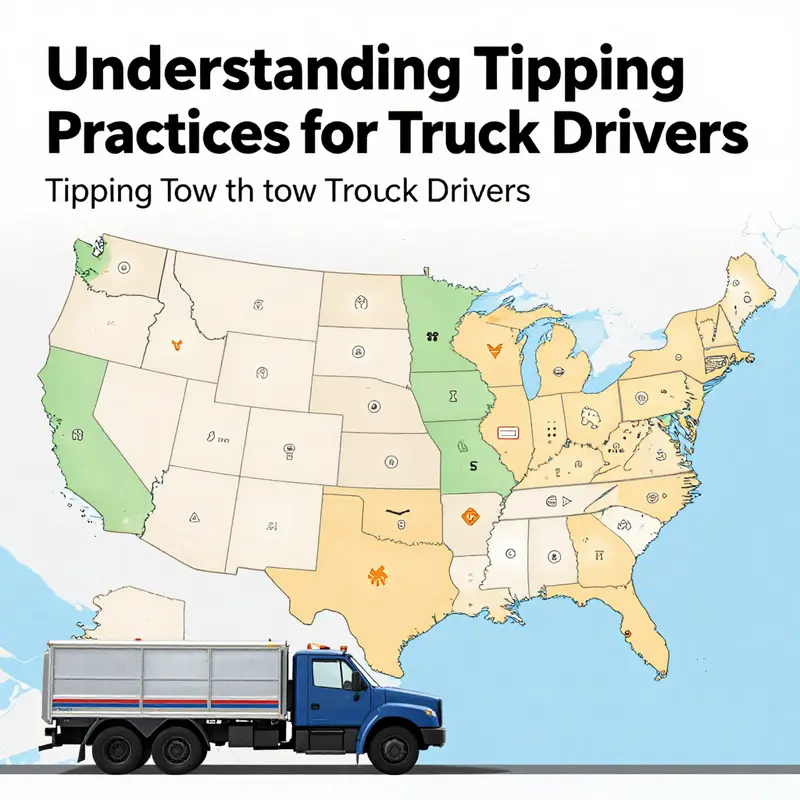
Towing a vehicle is one of those moments when a person’s patience, a driver’s skill, and the subtle social choreography of tipping all collide in a high‑stress environment. The decision of whether to tip a tow truck driver is not as simple as a universal rule; it sits at the intersection of service quality, local customs, company policy, and the particular demands of the moment. In many places, tipping for standard towing is not expected or required, but that does not mean a kind gesture never has a place. What matters most is approaching the moment with clarity, respect, and awareness of the norms that govern the region you’re in and the company you’re dealing with. Reading those signals well can turn a stressful episode into an experience that respects both the driver’s labor and your own need for a fair, transparent transaction. In the conversation that follows, the points come together not as a rigid checklist but as a shared sense of judgment about when generosity is warranted, and how to offer it in a way that aligns with local expectations and professional boundaries.
Consider first the everyday frame: standard towing services. In many parts of North America, the basic fee for a tow typically covers labor, equipment use, and the transportation itself. In this frame, tipping is not customary in most routine recoveries or transports. The driver’s compensation is structured through the company or contract that employs them, and a separate tip can blur the lines of pay, especially if the company policy states that tips belong to the business rather than the individual. It is wise to verify such policies if you’re in a situation where a driver offers or hints at tipping. Some companies even discourage tipping or ask that any gratuity be given to the business to avoid questions about labor practices. A moment of politeness—expressing thanks, acknowledging the driver’s professionalism, and sharing a clear, calm narrative of what happened—can itself be a meaningful sign of appreciation without tipping.
Yet the terrain shifts when we recognize that tipping remains common in pockets of regional practice or in scenarios that demand more than routine labor. The price of a tow can escalate quickly in emergencies, when road conditions are hazardous, or when a recovery involves intricate maneuvers in tight spaces or on difficult terrain. In these moments, a tip can function as a tangible acknowledgment of the extra effort, the risk the driver assumed, and the specialized skill that kept the situation from deteriorating further. If a driver arrives with urgency—a quick response during a road emergency—this, too, may tilt the balance toward tipping, especially if the driver helps you think through your options, coordinates with dispatch in a clear and reassuring way, or calms a stressful scene with patience and professionalism. In such instances, a modest cash tip—think in the range of $10 to $20 depending on the severity of the situation and the quality of service—can feel like a fair recognition of the added labor involved.
Local customs also shape the etiquette of tipping in subtle ways. In some regions, informal norms have quietly absorbed tipping as part of the service culture, particularly when a driver operates as an independent contractor rather than as an employee of a large company. In other places, tipping for towing is less common, with customers opting for a courteous thank‑you, a written compliment, or a positive online review rather than a cash gratuity. The best approach is to observe the environment and, when in doubt, ask a quick question before proceeding with a tip. A short, respectful inquiry—“Is tipping customary for this service in this area?” or “Should I leave a tip with the company rather than directly to you?”—can prevent awkward situations and ensure your gesture aligns with local expectations. The social calculus here is not about forcing generosity or meeting a quota of gratuities; it is about calibrating your response to the reality of the moment and the norms that govern it.
One practical reality to keep in mind is the potential variability between policy and practice. Some towing outfits explicitly prohibit tipping, or require drivers to return tips to the business under certain circumstances. Such policies are not universal, and they may reflect concerns about fairness, the transparency of charges, or the potential for conflicts of interest. If a driver mentions a policy, it is prudent to acknowledge it and then proceed according to your comfort level and local custom. If you are unsure, you can offer a tip in a form that respects the policy—perhaps by asking whether you should deliver it to the company or whether a handwritten note of thanks with a positive review would be more appropriate. The aim is to respect the driver’s professional boundary while still expressing gratitude for exemplary service when it occurs. The overall bottom line remains: tipping is not mandatory, but when service goes beyond the call of duty, a thoughtful gesture can be a meaningful acknowledgment of effort and care.
To understand how these norms play out across different landscapes, it helps to broaden the view beyond a single locale. In Europe and parts of Asia, tipping practices can be different enough that what might be seen as a small courtesy in one country could be considered unusual or unnecessary in another. In some places, a tip to a tow truck driver could be interpreted as an unnecessary “extra” or even as a violation of local norms about gratuity. This is why a quick check of local customs or a conversation with the service provider before the moment of payment can save discomfort and miscommunication. An easy, practical approach is to screenshot or note the transportation company’s policy about tipping in advance, or to ask a staff member at the scene for guidance. If you are traveling or transacting in unfamiliar territory, a little extra attention to cultural norms becomes part of the service experience itself. In many cases the driver’s professionalism, courtesy, and skill will be the more reliable indicators of a job well done, and a tip, when offered, will be a small, well‑timed gesture rather than a required ritual.
The mechanics of tipping—how much, when, and how—are worth laying out in plain terms so you can apply them flexibly in the moment. The most common approach is to consider tipping in proportion to the service’s intensity and the driver’s conduct. If the service was prompt, if the driver handled a tree of complications with calm competence, or if the driver went out of the way to explain your options and keep you informed, a tip in the single digits or up to twenty dollars can be appropriate. If the situation involved danger, severe weather, or unusually complex maneuvering that required long hours and careful preparation, a higher tip might be warranted, acknowledging the extra risk and effort. The key is to balance the value of the service with your own resources and your own judgment about the fairness of compensation. It is not just a financial decision; it’s about signaling that you recognize the driver’s investment of time, skill, and personal risk on your behalf. A tip should feel like a natural extension of a moment of relief rather than a perfunctory add‑on.
In many cases, the most meaningful form of appreciation occurs when a driver has provided outstanding service without drama. A genuine thank‑you, a brief note of praise to their supervisor, or a public positive review can complement or, in some contexts, substitute for a monetary tip. The impact of such feedback can be substantial for a small, locally run towing operation where customer testimonials directly influence referrals and future business. If you choose to leave a tip, plan to do it in cash if possible. Cash tips are universally portable and discreet. If you are paying by card, you can ask if the driver can accept a tip via the payment terminal or whether another method is preferable, such as delivering tip funds to the company later. And if you arrive at your destination and the payment process has concluded, you can still acknowledge the driver’s help with a handwritten note, a quick phone call to express thanks, or a post‑service review. Each of these options reinforces the sense that the driver’s effort mattered and contributed to a safer, smoother outcome for you.
As you weigh your decision, it is worth considering the broader ecosystem in which tow truck work exists. The towing industry is by nature highly localized, with services required in the moment and fees that reflect the time, distance, and risk involved. Many drivers work as independent contractors who bear the costs of their own vehicles, insurance, fuel, and maintenance. In regions where independent crews compete for service quality, tipping can sometimes distinguish a good experience from a merely adequate one. In larger corporate outfits, the policy may be more rigid, with standardized rates and a formal process for gratuities that keeps the tipping separate from the payroll. In either scenario, the driver’s demeanor—how they communicate, whether they explain the charges, how they handle traffic and safety concerns, and how they manage the collapse of a roadside crisis into a coordinated recovery—often tells you more about the quality of service than the price tag alone. If you find that you are frequently encountering service that feels routine rather than exceptional, your tipping decision may reflect this general experience. If, on the other hand, a driver stands out through patient instruction, careful attention to your vehicle’s needs, or a calm presence under pressure, that is a signal of extra value and a tip can be a straightforward, meaningful gesture.
The article’s broader arc—whether to tip and, if so, how much—depends on the alignment of your values, your location, and the specifics of the encounter. When you settle on a tipping decision, consider the moment as part of a larger pattern of fair treatment and professional respect. The tipping question is not just about money; it is about affirming the dignity of a worker who often makes a difficult job look routine. It is about recognizing that the roadside can be a place of vulnerability, and good service can transform that vulnerability into safety and clarity. In this sense, tipping is not purely transactional but relational: it signals appreciation, supports the dignity of labor, and can reinforce trustworthy service in a landscape where speed and efficiency matter as much as guidance and care. If you decide to offer a tip, let it come with a brief, respectful statement of thanks and, where possible, a straightforward acknowledgment of the driver’s skill and effort. A simple, sincere, unhurried moment can be as powerful as any amount. And if tipping feels inappropriate given the circumstances or policy, a clear expression of gratitude and a positive review can still leave a lasting impression—one that helps others make informed decisions about service in the future.
For readers seeking a practical reference on tipping etiquette and current norms that evolve with the policy landscape, this resource provides a comprehensive overview of practices for 2025, including considerations for tipping tow truck drivers in various jurisdictions: Should You Tip Tow Truck Drivers? Etiquette & Guidelines for 2025. As you navigate the decision in your own life, remember that the most effective tipping is not a rigid rule but a thoughtful, situation‑specific gesture that honors both the labor involved and the consumer relationship that gets you safely back on the road. If you’re looking for local resources or example experiences that illustrate how communities approach tipping in real time, you can explore local service providers and their guidance and then align your action with what you observe. For context on regional practices, you can also consult the broader ecosystem of roadside assistance and towing services that continuously adapt to changing expectations and policies.
To connect with a local provider that emphasizes transparent service and responsive roadside assistance, you can learn more about Mike’s Roadside Service, which offers accessible information on their approach to customer care and support in quick, practical terms: Mike’s Roadside Service. This resource can provide a useful real‑world frame for readers who want to understand how a typical local outfit communicates service expectations, policies, and the management of gratuities in a way that respects both clients and drivers. The guidance offered here remains relevant across contexts: when in doubt, ask, observe the norms, and let service quality guide the gesture you choose to offer. In sum, tipping is not a universal imperative; rather, it is a flexible signal of appreciation that sits at the heart of professional roadside support. It should reflect the situational realities of the encounter, the company’s policy, and the local cultural norms—never as a forced obligation but as a conscious, generous acknowledgment when the moment feels right.
External resource: https://www.nerdwallet.com/article/finance/tipping-tow-truck-drivers-etiquette
Final thoughts
Understanding the nuances of when to tip tow truck drivers is essential for business owners who frequently rely on their services. The decision to tip should reflect situational factors such as the level of service provided and local customs that might dictate appropriate behavior. By being aware of these aspects, business owners can not only foster better relationships with service providers but also align their practices with industry standards and customer expectations.