
Starting a tow truck business presents a promising opportunity for entrepreneurs looking to tap into the transportation industry. With rising vehicle ownership and limited public transit options, there’s a consistent demand for towing services. This article delves into vital components needed to establish a successful towing operation. From in-depth market research to understanding legal regulations, and acquiring the right equipment, each chapter provides actionable insights. By comprehensively addressing these key areas, business owners will be better equipped to navigate the complexities of launching their tow truck business and creating a reputable service.
null
null
Legality on the Road: Essential Legal Foundations for Launching a Canadian Tow Truck Business
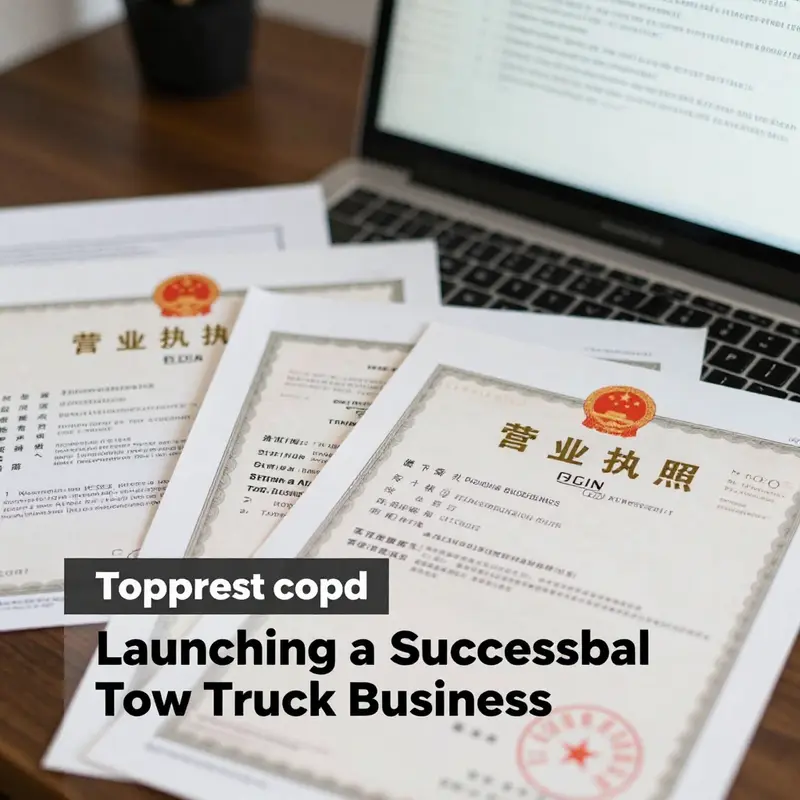
Launching a tow truck business in Canada begins with a clear grasp of the legal skeleton that holds the entire operation together. Laws, licenses, and standards may seem dry, but they directly shape what you can offer, where you can operate, and how reliably customers will trust you with their vehicles. A solid legal footing also reduces risk, helping you weather audits, insurance scrutiny, and the inevitable challenges of a roadside business. In practice, legality is not a barrier to entry so much as a map—the sooner you understand each requirement, the smoother your growth path becomes. From the moment you decide to turn a tow truck into a business, you are entering a regulatory environment that rewards diligence, accountability, and consistent service.
First, consider the personal qualifications that underscore every successful operator. In Canada, you must be at least 18 years old to own or operate a tow truck business. A valid driving record is essential, signaling that you can handle the responsibilities of a heavy vehicle and the unpredictability of roadside calls. Beyond a clean record, most provinces expect you to hold a commercial driver’s license or an equivalent provincial credential to operate a tow truck professionally. While the exact class varies by province, the principle is universal: the jurisdiction wants to see that you’ve earned specialized training and demonstrated safe driving in demanding conditions. Because driving is your core asset, the emphasis on a solid driving history cannot be overstated.
Vehicle compliance is another pillar of regulatory legitimacy. Tow trucks must meet updated technical standards, and since November 7, 2022, those standards must be met before the vehicle can receive a licence or be put into service. This regime exists to ensure that tow trucks deployed on public roads meet consistent safety norms—reducing the risk of equipment failures during critical pulls and loads. It also creates a predictable market for customers who rely on your service in stressful moments. If you already own equipment, a detailed check against the current standards, plus a plan for ongoing maintenance, will save you headaches down the line. If you are purchasing used equipment, a pre-purchase inspection aligned with the latest rules is essential. In short, safe equipment is not a luxury; it is a legal and practical prerequisite that protects you, your team, and your clients.
Beyond personal credentials and vehicle standards, the business itself must be properly registered and taxed. In Canada this involves registering your business with the federal and provincial authorities, obtaining a business number (BN) from the Canada Revenue Agency for federal tax dealings, and understanding provincial obligations for GST or HST where applicable. Even as you focus on service quality, you must keep precise financial records, issue compliant invoices, and prepare for audits. Effective administration underpins professional credibility and makes future growth possible, such as expanding into fleet services or partnering with insurers and repair facilities.
Insurance stands as one of the most practical safeguards an operator can secure. A robust policy lineup typically includes liability insurance to cover property damage and bodily injury, cargo or vehicle contents coverage when you are transporting others’ vehicles, and physical damage coverage for your own equipment. Insurance is not a one-off purchase; it is an ongoing relationship with a trusted provider who will demand evidence of routine maintenance, driver training, and safety practices. Working with an insurer to tailor coverage to light-, medium-, or heavy‑duty operations—and to reflect local hazards, like winter conditions and urban bottlenecks—ensures you are protected as your business grows. The cost of comprehensive coverage is an investment in resilience that enables you to respond promptly to emergencies without risking personal assets or client trust.
Operational licenses and permits vary by municipality and province, but the underlying requirement is consistent: you must be authorized to tow on the roads where you intend to work. This often includes municipal permits, business licenses, and compliance with local operating regulations. The precise paperwork can feel tedious, yet it creates a predictable, accountable framework for responses to complaints, accidents, or disputes. A disciplined approach to licensing—tracking renewal dates, maintaining driver qualifications, and ensuring that your fleet records stay current—pays dividends in smoother expansions and fewer enforcement headaches.
Finally, to maintain momentum, keep rigorous records of maintenance, driver training, and incident reporting. Build a culture of safety and accountability, because your reputation will become your strongest asset as you scale. A well-documented operation is not merely bureaucratic overhead; it is a practical advantage that supports faster response times, clearer invoicing, and stronger relationships with repair shops, insurance partners, and roadside networks. The regulatory landscape is not a static trap but a partner in building trust with customers who rely on you during stressed moments. For a deeper dive into practical, province-specific steps and licensing nuances, see the following external resource: How to Become a Tow Truck Driver in Canada.
From Cab to Fleet: Strategic Equipment Selection for Launching a Tow Truck Business
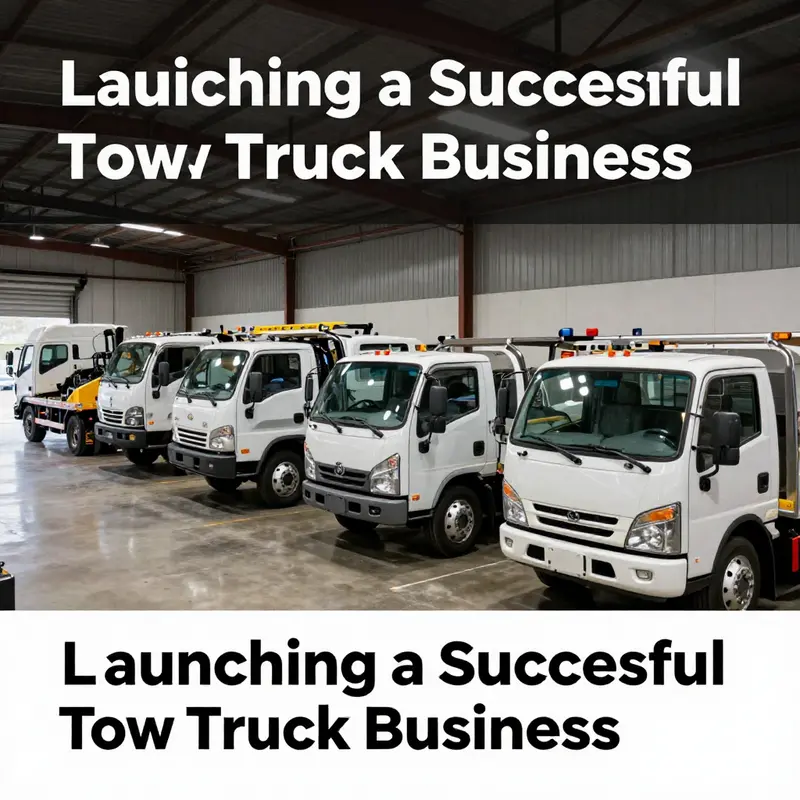
Equipment is the backbone of a tow truck business, even more than branding or location. The choice of tow trucks and the tools that accompany them sets the range of services you can reliably offer, determines safety standards, and shapes your operating costs from day one. For a new entrepreneur, this means balancing capability with affordability, while planning for the recurring costs that come with gear use.
The core decision is the type of chassis you’ll deploy. Flatbeds have become the modern standard for many operators because they minimize vehicle damage and make fleet recovery predictable. They require a hydraulic bed that lowers to the ground, allowing vehicles to be winched or winched onto the bed with care. In practice, a flatbed supports dealership transports, operable but immobilized vehicles, and routine loadings that must avoid drag or scuffing. A traditional wrecker, with its boom and grappling arms, remains valuable for certain scenarios where speed of loading is critical or access is constrained. Hook-and-chain setups, while less common in many markets due to safety and vehicle-damage concerns, occasionally serve specialty needs or older fleets. The practical choice hinges on your target customers, the weight classes you’ll handle, and the terrain you’ll service. In any case, you’ll want equipment that minimizes extra handling time because time is money when you’re chasing road calls and fleet contracts.
Beyond the main truck, the ancillary gear defines daily efficiency and safety. A robust winch rated for the heaviest payload you intend to recover is essential, but so are the stabilizers, heavy-duty straps, wheel lifts, and towing dollies that keep tires and rims secure during the move. Axle pads reduce slip when loading on uneven surfaces. Lighting and communication gear aren’t luxuries; they are part of professional service, improving visibility at night, guiding safer hook operations, and enabling prompt updates to a dispatcher. Training, too, matters. Operators must understand hydraulic bed controls, boom angles, and the sequence of securing a vehicle to prevent accidents. The more complex the system, the more rigorous your onboarding must be. Hydraulics, while offering smooth and powerful operation, also demand vigilant maintenance, and that reality should influence your equipment budgeting from the outset.
Cost considerations extend beyond the sticker price. The initial purchase is only the first line item in the total cost of ownership. Maintenance, spare parts, and routine service visits accumulate quickly, especially for hydraulic components that wear with heavy use. A conservative forecast should reserve funds for unexpected repairs, tire replacements, and system recalibrations. Some operators lean toward new equipment to minimize downtime in the first year, while others opt for late-model used units to stretch capital. Whichever path you choose, align it with a clearly defined service mix—light-duty flatbeds for private-to-dealer work, mid-range to heavy-duty for fleet calls, or a combination that matches anticipated demand. A phased approach can help you scale responsibly without crippling cash flow.
Part of strategic equipment planning is recognizing the value of partnerships and supply networks. Establish relationships with dealers who service your gear locally and with parts suppliers who stock common wear items. This makes routine maintenance faster and reduces downtime that erodes profitability. Even as you begin small, think ahead to growth: can your trucks be upgraded or swapped as demand shifts? This mindset ensures your fleet remains compatible with a broader client base, from local garages and rental fleets to insurance partners handling roadside assistance.
In practice, a practical example would be to study established operations that emphasize workflow efficiency and fleet readiness. For instance, a local operator’s web presence narrates how they structure their gear and routine tasks, offering a blueprint that can be adapted without copying. The ideas translate into a measured, repeatable process on the shop floor. For a tangible starting point on equipment choices and cost planning, you can explore a resource like Mikes Wrecker to see how a real-world outfit aligns its fleet across service lines, and to understand the practical cadence of equipment upgrades as the business grows. Mikes Wrecker
Ultimately, equipment selection intersects with regulatory realities. You’ll need to verify licensing requirements for heavy vehicles, ensure insurance coverage aligns with the risks of heavy towing and cargo transport, and plan for fleet-management software that keeps maintenance, scheduling, and performance metrics in view. The road to a successful tow truck business starts with what you buy and how you maintain it. Thoughtful, data-informed decisions about the fleet lay the groundwork for reliable service, repeat customers, and steady cash flow in the early years.
External resource: https://www.towtrucks.com/ownership-costs-guide
Final thoughts
The journey towards launching a tow truck business is paved with challenges, from conducting thorough market analysis to ensuring compliance with legal standards. By acquiring the right equipment and strategic partnerships, business owners can foster long-term success in this industry. A strong focus on customer service and operational efficiency will help you build a reputable brand that clients trust. With careful planning and persistence, transforming your vision into reality is entirely within reach.