
Tipping in the towing industry often raises questions for business owners, particularly when it comes to navigating customer expectations and enhancing service quality. While it is generally understood that tipping tow truck drivers is not mandatory, there are unique situations where a gratuity can make a significant difference. Understanding the norms surrounding tipping, recognizing situations that warrant it, and being aware of local practices can empower business owners to provide exceptional service while meeting customer needs. This article delves into the complexities of tipping in the towing industry, offering valuable insights and practical advice to help you make informed decisions.
null

null
Situational Gratitude on the Road: When Tipping Tow Truck Drivers Is Appropriate
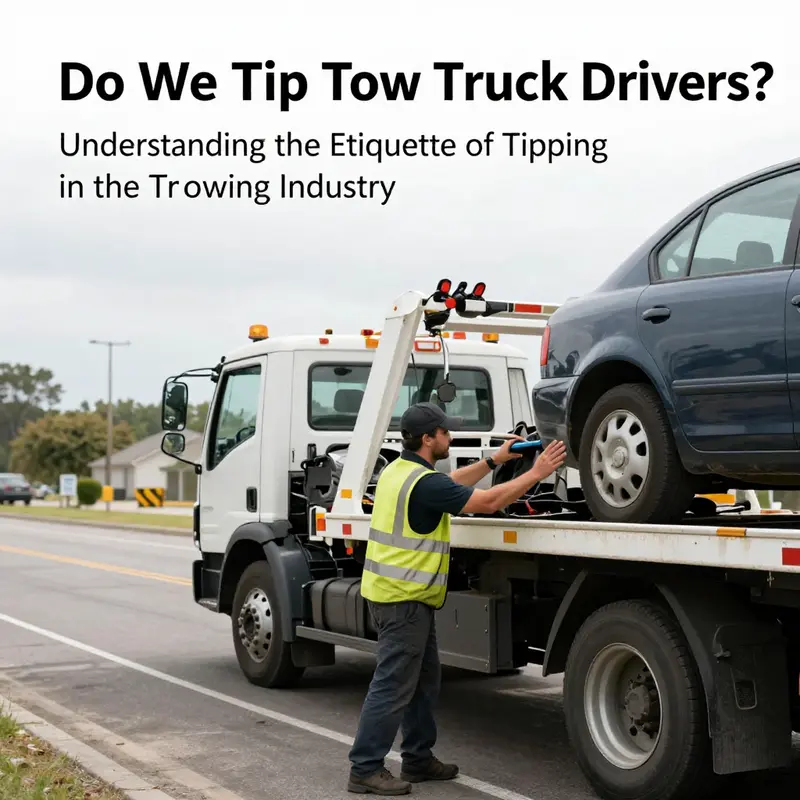
When a car breaks down and you meet a tow truck, the moment is about more than service. The bill will be paid, the clock will keep ticking, and the driver will carry some of the stress of your situation with a calm, professional demeanor. In the United States tipping tow truck drivers is not a formal expectation. The fee you pay is typically set by the tow company and designed to cover labor, equipment, and overhead. Yet there are moments when a small token of appreciation feels appropriate, a quiet gesture that recognizes extra effort without implying a guaranteed obligation.
Extra assistance beyond the call of duty: If the driver adds value that goes beyond simply towing, they deserve consideration. They might help load heavy luggage into your car after a tow, or push a vehicle to a safer location if it’s on a dangerous shoulder. They might take a moment to explain what caused the breakdown or offer practical steps to prevent another incident. In these cases, a tip of five to ten dollars communicates gratitude for the extra care and attention. It’s a signal that you noticed the extra mile, not a deflection from the posted price.
Exceptional service: The most meaningful tips often go to drivers who communicate clearly, arrive promptly, and handle your vehicle with care. A driver who keeps you informed about the process, minimizes waiting, and treats your belongings as if they were their own earns appreciation. Tipping in these circumstances is more common in regions where tipping culture remains part of daily life, but even where it isn’t standard, a courteous reminder that you value quality service can be well received.
Challenging circumstances: When weather is bad, access is limited, or the towing job is unusually complex, professional poise matters just as much as the technical skill. A driver who navigates these pressures with safety and tact has earned a tangible expression of thanks. A small gratuity—again, typically five to ten dollars—can acknowledge that the driver managed risk, kept you informed, and avoided unnecessary further trouble.
Important considerations: The act of tipping is discretionary. The base tow price covers basic labor and operation, but rates vary widely by region and company policies. A short tow might cost fifty dollars to a hundred dollars or more, depending on local rules and the circumstances. The tip is separate from that amount and should reflect your appreciation for service quality, not as a fee you are compelled to pay. If you’re unsure about norms, ask discreetly or consider the company’s stated policy before you tip.
Practical tips on how to tip: Cash remains the simplest method because it ensures the driver receives value immediately. If a card option is available and you prefer it, be sure the driver approves and follows the company’s procedure. Hand the tip directly to the driver with a simple thank you, or place it in a visible, unobtrusive location if you’re in a crowded setting. Above all, avoid tipping in a way that could distract the driver or put you in danger. And remember, if you observed unsafe behavior, tipping should not be offered as compensation; report concerns through appropriate channels.
To keep the guidance grounded, you can consult local policies for your area and, for reference, explore the guidelines at Mikes Towing Service. Mikes Towing Service
Ultimately, tipping tow truck drivers is a personal choice tied to service quality and the circumstances at hand. The core rule remains simple: tip when the driver’s service goes beyond the basic expectation, and do so in a way that preserves safety and dignity for everyone involved. The rest is context—weather, location, urgency, and your own comfort with the gesture. By approaching tipping with discernment, you acknowledge skilled labor in a service that, while routine for the driver, can be a lifeline for you.
Tipping by Region: Tow Truck Etiquette Across Local Norms
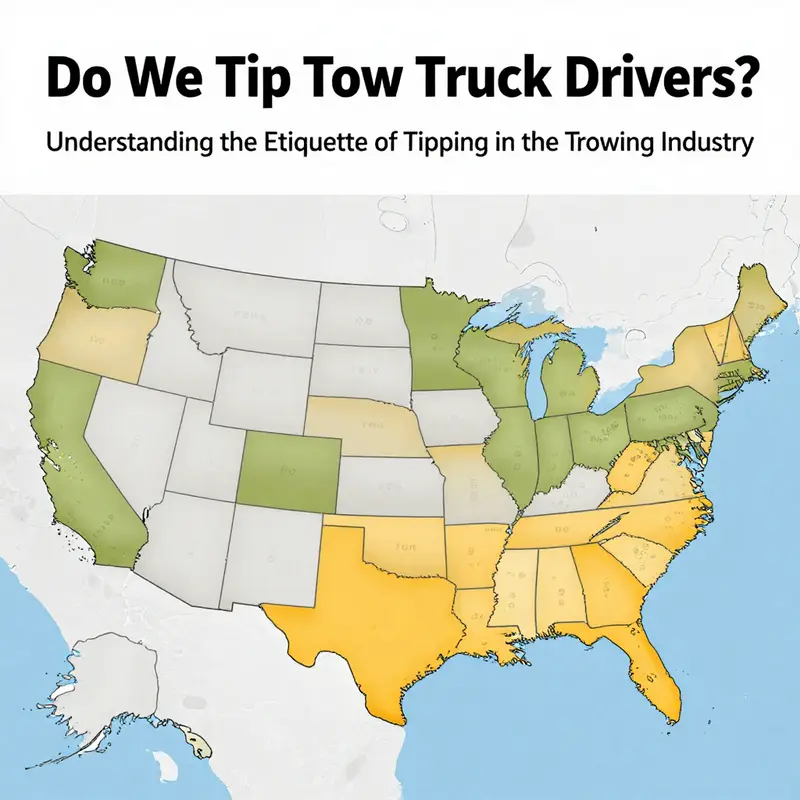
When a tow truck arrives during a roadside emergency, tipping is not a universal requirement, but regional norms can influence expectations. In the United States, tipping is generally not expected as part of the base tow fee. The charge typically covers labor, equipment, and regulatory costs, and drivers do not rely on tips as a standard part of income. That said, if the driver provided exceptional service—arrived promptly, handled your vehicle with care, or helped you retrieve items—consider a modest gratuity as a token of appreciation. A practical range might be around five to twenty dollars, reflecting the scope of the service and your satisfaction. Remember, tipping remains discretionary and should align with the quality of service rather than a fixed rule.
Across Canada and the United Kingdom, tipping patterns for towing are less codified. Most customers pay the quoted fee, and additional gratuity is not a universal expectation. In many parts of Europe, towing is viewed as a professional service, and most people pay the full invoice without adding a tip. The common thread is clear: tipping is optional and situational, not a mandated part of the transaction.
Outside Western Europe and North America, tipping norms can vary more widely. In some touristic or developing regions, tipping may be more common as a cultural courtesy, but it can also lead to misunderstandings if it conflicts with local expectations or company policies. If you are unsure, observe local practices or ask locals or the dispatch center about customary etiquette before offering a tip.
Practical approach: prioritize clear communication and safety. If the driver completed a difficult tow under challenging conditions, helped you retrieve belongings, or offered helpful guidance during a stressful moment, a small tip can acknowledge their professionalism. If you decide to tip, choose a modest amount in the local currency and keep the gesture proportional to the service quality. If you’re unsure, you can simply pay the quoted fee and focus on the driver’s conduct rather than gratuity.
Before tipping, check whether the towing company has a policy about tips or whether payment is handled directly by the driver. If you elect to tip, present the tip discreetly after the service is completed or use the preferred payment method supported by the company or app you used for the tow.
For travelers seeking regional guidance, consider consulting country-specific consumer guides or local roadside-assistance resources to understand typical practices in the area you’re in. The overarching principle is to treat tipping as a voluntary gesture that reflects service quality and local custom, not a universal requirement.
Final thoughts
The practice of tipping tow truck drivers can enhance customer service experiences and foster goodwill in the towing industry. While the gesture is not mandatory, acknowledging exceptional service can strengthen relationships and reflect positively on your business. Understanding the industry norms, recognizing specific situations where tipping is appropriate, and being aware of local variations enables you to navigate these dynamics effectively. As a business owner, consider incorporating this understanding into your interactions, reminding customers of the opportunity to show appreciation where due.