
In Humble, Texas, tow truck services play a crucial role in supporting both residents and business owners, especially during roadside emergencies. Recognizing the significance of reliable towing can not only ensure operational efficiency for businesses but also enhance customer satisfaction. The forthcoming chapters delve into the extensive landscape of tow truck services available in Humble, examining their essential functionalities, esteemed providers available around the clock, and the regulations that govern their operation—ensuring safety and a high standard of service in the towing industry.
Steadfast on the Shoulder: An In-Depth Look at Tow Truck Services in Humble, TX
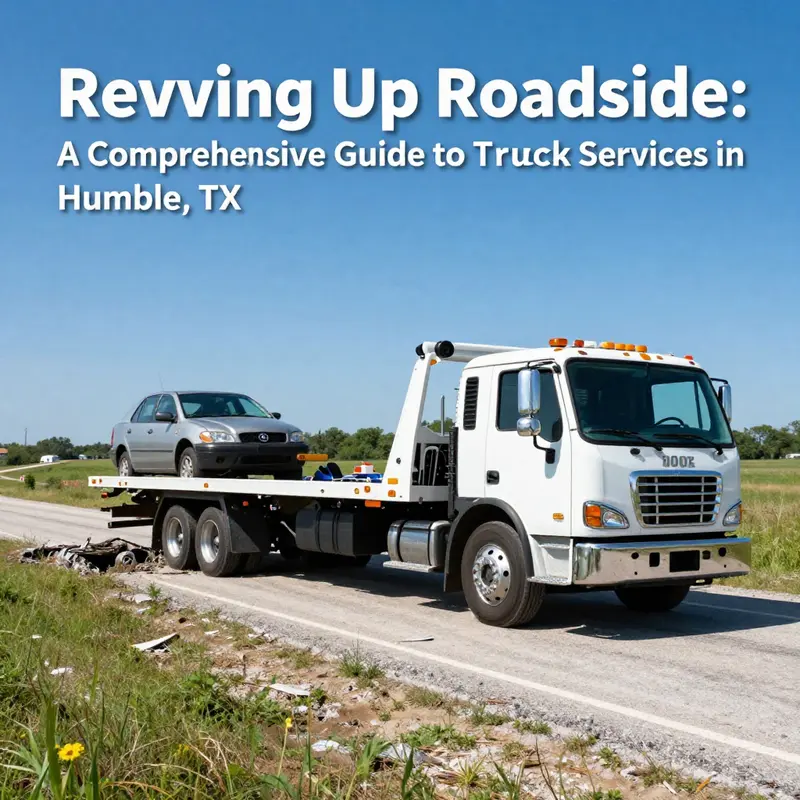
Humble, Texas sits at a crossroads of everyday life and urgent roadside moments, where a car can stall on a quiet residential street or vanish into the glare of a busy corridor during a sudden rainstorm. In these moments, the town’s tow truck services step forward not as a spectacle of emergency response, but as a steady, dependable presence that quietly anchors mobility for residents, commuters, and visitors alike. The roadside in Humble is more than asphalt; it is a lived space where people rely on a network of local responders to transform a disruption into a recoverable situation. The value of this network becomes particularly evident when a vehicle breaks down in the early morning hours, when a tire blows out on a dimly lit stretch after a late shift, or when an accident blocks a lane during peak traffic. In these instances, the speed and quality of the tow response have real consequences: it isn’t just a matter of getting the car off the road, but of reestablishing safety, reducing exposure to additional hazards, and returning a driver to a safe place with a clear plan for repair or relocation. In Humble, this service ecosystem is characterized by a balance of proximity and capability. A nearby operation situated roughly 1.4 miles from the city center can respond with remarkable speed to urban curbside requests, making it a first option for many residents who want a quick, predictable arrival. A second capable provider sits about 6.8 miles away, offering the capacity to handle more complex jobs that may require heavier equipment or specialized recoveries. The geographic distribution matters because it directly influences response times, wait times, and the ability to deploy the right tool for the job. When a car sputters along a well-traveled strip or a truck doors open to reveal a stalled engine, that distance translates into minutes of difference between a tow and a tow-plus delay. The practical effect is simple: in Humble, a reliable tow service is not a luxury but a practical necessity that keeps personal plans intact and local businesses functioning, even in the face of mechanical issues or minor accidents.
The core offerings in Humble reflect a spectrum designed to cover a wide range of scenarios. Most local providers can perform flatbed towing, a method preferred when the vehicle being transported is delicate, heavily lowered, or possesses a drivetrain that could be compromised by traditional under-axle lifts. Flatbeds reduce the risk of frame damage and are especially respected for long-distance transport or when the vehicle must be delivered to a shop with no further handling on site. Wheel-lift towing, on the other hand, remains a versatile, cost-effective option suitable for many everyday cars and light trucks. It uses a lifting mechanism that supports the vehicle by its wheels, minimizing ground contact and enabling quick on-scene recovery when a flatbed is unnecessary or impractical. Beyond these core methods, Humble’s tow providers commonly offer emergency roadside assistance that extends to tire changes, fuel delivery, jump-starts, and lockout services. The value of this on-demand support cannot be overstated; when a driver is stranded with a kid in the back seat or a business vehicle in need of immediate access, even a basic service like a quick jump-start can avert a longer disruption. For longer trips or more involved recoveries, the industry’s capacity expands to include heavy-duty equipment and specialized operations. This capability is essential for RVs, delivery fleets, or compact commercial trucks that require careful handling to avoid collateral damage during transport. In practice, the availability of these services in Humble ensures that residents and travelers have a reliable option for almost any roadside scenario, from the simple to the complex.
Technology sits at the heart of how these services operate in the modern era. Dispatch centers in Humble coordinate with field crews through GPS-enabled systems and mobile devices that provide real-time updates, precise location data, and route optimization. This technological backbone translates into tangible benefits for customers: shorter wait times, more accurate ETAs, and the ability to share live status updates with family members or insurers. The improved transparency is not merely a convenience; it is a safety feature that helps people plan their next steps. For example, if a tow is necessary after a collision, knowing the likely timeframe helps a driver decide where to wait, how to coordinate with an insurance adjuster, or when to arrange a ride to the next destination. The dispatch model typically combines a central queue with nearby crews that can respond quickly, a structure that keeps idle time to a minimum and makes efficient use of fuel and personnel. This efficiency matters in a region where traffic can be volatile and weather conditions can intensify delays. It also means that providers can balance aggressive response times with careful, professional handling of each vehicle—a balance that clients notice through the way a tow operator explains the process, prepares the vehicle, and communicates the next steps clearly.
Safety and regulatory compliance provide the framework within which Humble’s tow services operate. The Texas Department of Public Safety sets the standards that govern driver qualifications, vehicle equipment, and operating procedures. These rules are not mere paperwork; they shape day-to-day practice in ways that protect drivers, motorists an.d pedestrians. A key element is the requirement that tow operators hold valid Commercial Driver’s Licenses and maintain ongoing compliance with local regulations. This credentialing ensures a baseline level of skill, training, and accountability when heavy vehicles share the road with passenger cars. The equipment standards—safe towing hitches, operational wrecker bars, and an array of recovery tools—are designed to prevent further damage during a tow and to safeguard against on-scene hazards. The intended outcome of these regulations is a safer roadside environment where the risk of additional incidents is minimized. Of course, compliance is not only about avoiding penalties; it is about building trust. A customer who sees a well-maintained fleet arrive at their location can feel more confident that the operator will handle their vehicle with care and minimize any risk to others on a busy street.
For consumers, the practical implications of these regulatory and operational realities are profound. In an emergency, people want certainty: a clear explanation of what will be done, an estimated arrival time, and a transparent sense of cost. That clarity often comes from a provider that follows best practices in disclosure and communication. Before engaging a service, a prudent driver will confirm insurance coverage and licensing, inquire about the potential need for on-site repair versus towing to a chosen shop, and request a written estimate that itemizes the service, any remote location fees, and potential add-ons for after-hours work. The economic landscape of Humble’s towing market mirrors its competitive, service-oriented character. Pricing strategies reflect the demand for reliable, on-call support and the costs of maintaining 24/7 readiness. While consumers naturally seek affordability, they also benefit from prioritizing reliability, which often correlates with well-maintained fleets, up-to-date training, and consistent performance across a variety of vehicle types and situations. In practice, the best approach is a measured comparison: check credentials, read recent feedback, verify insurance, and ask about the ability to direct-bill to an insurer in case of a covered loss. These steps reduce the anxiety of a roadside incident and increase the odds of a smooth recovery, a reality that Humble’s market is well positioned to support given its mix of near-center responders and more distant specialists.
Beyond the basics, Humble’s tow ecosystem accommodates a wide range of needs for both individuals and commercial clients. The network supports not only passenger vehicles but also larger, more complex recoveries that involve trucks, RVs, and other oversized platforms. This breadth reflects the practical realities of living in a region where travel often intersects with shifting weather and busy corridors. Local businesses rely on dependable towing partners to minimize downtime after vehicle breakdowns, keep delivery schedules intact, and ensure safety during the repositioning of vehicles after an accident. The presence of heavy-duty capabilities reduces the need for multiple dispatches and complex coordination, allowing a single credible partner to handle a broad spectrum of work. In this light, the Humble tow landscape is more than a collection of service calls; it is a coordinated system that supports mobility as a function of daily life, safety, and economic activity. The alignment of proximity, capability, technology, and safety creates a cohesive, reliable option for people who need help on the road, when they need it most.
Finally, the value of a well-functioning local tow network becomes particularly evident when you consider the broader context of Humble’s position near Houston and the rhythms of suburban and rural travel that characterize the area. The ability to respond quickly to a breakdown on a quiet street or to manage a multi-vehicle incident on a busy highway is a function of how well the providers can integrate their operations with the city’s traffic patterns and weather realities. The best providers are those that plan for peak times—such as weekends, holidays, and storm seasons—and have contingencies in place to handle sudden surges in demand without sacrificing safety or quality. In short, Humble’s tow services combine the best of local knowledge, modern dispatch capabilities, and rigorous safety standards to deliver a service that is as much about management of risk as it is about moving a vehicle from point A to point B. That combination—local proximity, scalable capability, precise technology, and an unwavering commitment to safety—makes the Humble tow ecosystem a reliable backbone for mobility in a dynamic Texas landscape. It is a reminder that every successful tow begins long before the truck arrives: it starts with disciplined preparation, clear communication, and a shared understanding of the road’s realities.
For those who want more than a quick fix, Humble’s tow ecosystem supports a continuum of service levels. In addition to standard towing, many providers offer heavy-duty recovery for trucks and larger specialty vehicles, and some specialists will assist with RVs, buses, and other larger platforms. This capability becomes essential when a breakdown occurs on a major artery or when a multi-vehicle incident leaves multiple vehicles needing a coordinated response. The ability to handle such scenarios without escalating risk to bystanders or to the responders themselves is a testament to the industry’s maturity in the community. The goal is simple: to restore mobility with care, speed, and predictable outcomes. This is why a strong local network—comprising nearby responders ready to mobilize, supported by the technological advantages of modern dispatching, and guided by a robust safety framework—matters so deeply to everyday life in Humble. The city’s proximity to Houston and its reliance on steady road traffic means that a well-functioning towing ecosystem is not an optional luxury; it is a critical component of urban resilience. A reliable tow partner helps businesses reopen quicker after a fleet breakdown, families reunite after a car stalls on a busy corridor, and travelers reach their destinations with a minimal detour. In this sense, Humble’s tow services perform a quiet but essential civic function: they are the dependable first responders of the road, ready to turn a moment of vehicle trouble into a manageable, recoverable event with skill, care, and accountability.
To close this chapter with practical guidance, envision your next roadside moment as a test of trust rather than a puzzle to solve under pressure. The right partner in Humble will arrive with a calm demeanor, explain the steps in plain language, and leave you with a clear understanding of what to expect next. They will offer options that balance on-site resolution with safe transport, provide a transparent estimate, and support you through the insurance process if needed. In a region where weather and traffic can conspire to complicate even routine trips, a well-chosen tow service becomes more than a service—it becomes a dependable lighthouse in the storm. For readers seeking nearby options, a popular local resource highlights several Houston-area towing services, offering current hours and user feedback that can help guide an informed decision about service quality and reliability in Humble. See the resource here: Houston towing near me. For broader consumer insights and updated reviews, you can consult Yelp’s 2026 listings of top towing providers in Humble, TX at https://www.yelp.com/search/best/towing/humble-tx.
Guardrails on the Asphalt: The Safety Regulations Guiding Humble Tow Trucks
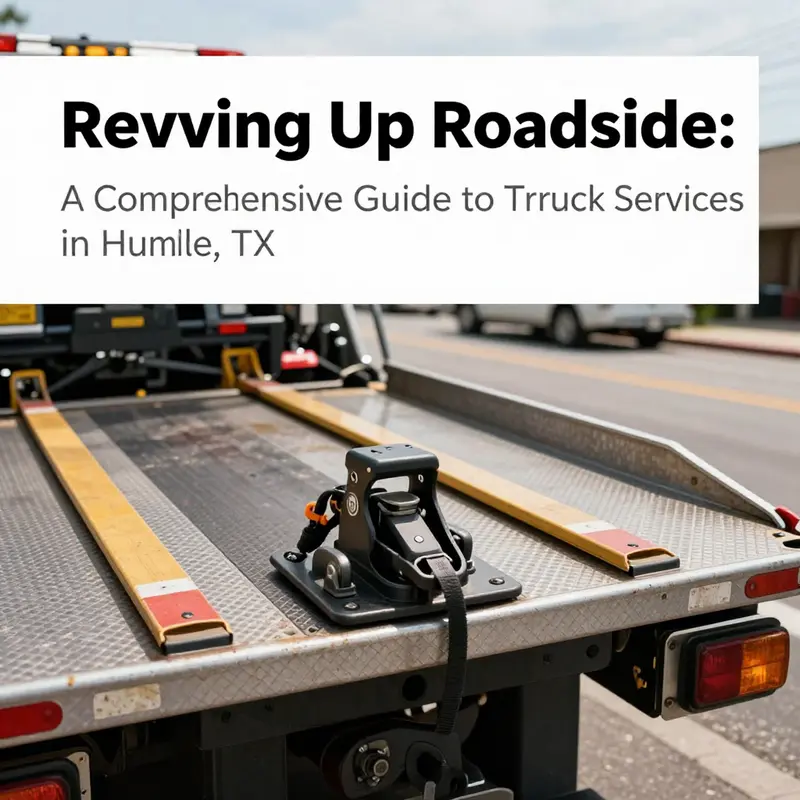
In Humble, Texas, the roadside is a space where quick help and careful practice meet, and the vehicles that answer calls are more than gears and hydraulics; they are guardians of safety when a breakdown disrupts travel or an accident clusters traffic. The safety regulations that regulate tow trucks in Humble are not just paperwork; they encode lessons about risk, responsibility, and the restraint needed to operate on crowded streets where life can hinge on timing and technique. They influence how a wrecker is dispatched, how it moves through lanes, and how crews interact with drivers, police, and bystanders during a tense moment. Understanding these rules helps residents trust that a rescue operation will be conducted with discipline and care, reducing the chance of further harm while restoring mobility as swiftly as possible.\n\nThe city’s permit regime forms the groundwork. For any auto wrecker that performs nonconsent tows within Humble, a valid unlimited wrecker permit issued by the City is required. The label ‘unlimited’ signals less a blanket freedom and more a recognition that the operator is authorized to respond to both consent and nonconsent tows and to participate in police-authorized tow agreements when the moment requires police involvement. This permit process ensures that every operator has demonstrated the ability to perform under the pressures of a roadside incident, to respect licensing requirements, equipment standards, and ethical expectations that keep the roadway safe for everyone.\n\nPolice authorization is not a mere courtesy; it is a functional part of public safety. Police-authorized tow agreements establish clear lines of communication and responsibility among dispatchers, officers on scene, and tow crews. They help guarantee that the right equipment arrives at the right time, that vehicles are secured properly, and that scene management minimizes secondary hazards, such as sudden lane changes or blocked exits that can create further crashes. In practice, these agreements support coordinated actions at multi-vehicle crashes, fueling a smoother clearance process and enabling officers to focus on traffic control and investigation without worrying about the mechanics of the tow.\n\nCompliance is defined not only by the possession of a permit or a police agreement but by adherence to the city code’s technical standards. The official code lays out the steps to apply for a permit, the ongoing requirements to maintain it, and the inspections that verify continued compliance. Those who want the exact procedure, including any fees and renewal deadlines, should consult the city’s code repository. The essential point is that permits, agreements, and inspections form a continuous loop: a company demonstrates capability, the city certifies it, the police coordinate it, and the public benefits from the predictable conduct that follows.\n\nBeyond the framework, practical safety comes down to how operations are run on the ground. In Humble, as in many Texas communities, towing teams rely on technology to stay compliant and efficient. GPS tracking from dispatch to recovery helps supervisors monitor progress, reduce idle time, and ensure that responders reach the scene promptly. Mobile dispatch tools cut through the clutter of radios and handwritten notes, shortening the timeline from request to service and delivering real-time updates to customers who often feel stressed. These technologies also support safer on-scene practices: careful positioning of the wrecker to shield the vehicle and protect passing motorists, clear signaling to other drivers, and a disciplined approach to traffic management while a vehicle is attached and loaded onto a flatbed.\n\nEngine-room matters are not glamorous but are essential. The core safety standards require operators to hold valid Commercial Driver’s Licenses and to meet state and local compliance standards. The equipment list—safe towing hitches, functional wrecker bars, secure wheel attachments, lighting that remains visible at night, and the right recovery tools—must be kept in good condition. Regular inspections, preventive maintenance, and prompt replacement of worn parts make the difference between a successful tow and a dangerous misstep. When crew members know exactly what is expected and have the tools to enforce those expectations, a roadside scene becomes less chaotic and more predictable for everyone around it.\n\nRegulatory rules also shape the customer experience. They set expectations about timing, transparency of pricing, and the safety measures that crews take on every call. The existence of a permit and a police agreement signals to a motorist that the operator has been vetted for capability and accountability. It also signals that onlookers can expect a cooperative, professional approach, even in the most stressful moments. The result is not a sterile procedure but a humane commitment to speed, safety, and courtesy that reflects the community’s values.\n\nFinally, the landscape continues to evolve. As vehicle technology advances and traffic patterns change, Humble’s safety guidelines adapt; training programs expand to cover new types of recovery—ranging from commercial trucks to unusual loads—and equipment standards are revised to keep pace with new safety insights. The best practicioners view this not as a burden but as a continuous improvement process that keeps them prepared for any scenario. In that sense, safety is a service offered to the community, delivered through disciplined practice, transparent communication, and the readiness to act with care when every second counts.\n\nFor those seeking a local option or wanting to understand how a provider approaches repair and recovery, there are practical resources to consult. It is helpful to verify that the company is equipped to handle your specific needs, whether a routine roadside assist or a complex recover, and to ask about their permit status and on-scene practices. To explore a local tow option near you, see this page: tow truck near me in Houston, TX.\n\nTo learn more about the regulatory backbone in Humble and how it is enforced, refer to the official City of Humble Wrecker Permit documentation. The Wrecker Permit Requirements and related provisions can be found here: https://www.ecode360.com/127845/Humble-TX/Chapter-15/Article-I/Wrecker-Permit-Requirements-15-1-1\n\nExternal Resource: https://www.ecode360.com/127845/Humble-TX/Chapter-15/Article-I/Wrecker-Permit-Requirements-15-1-1
Final thoughts
Understanding tow truck services and safety regulations in Humble, TX is vital for business owners who rely on these resources for efficient operations. By leveraging these services, business owners can maintain workflow, ensure customer safety, and uphold their reputation in the community. Knowledge of the sector and the importance of compliance with safety regulations empowers business owners to make informed decisions that support their operations effectively.