
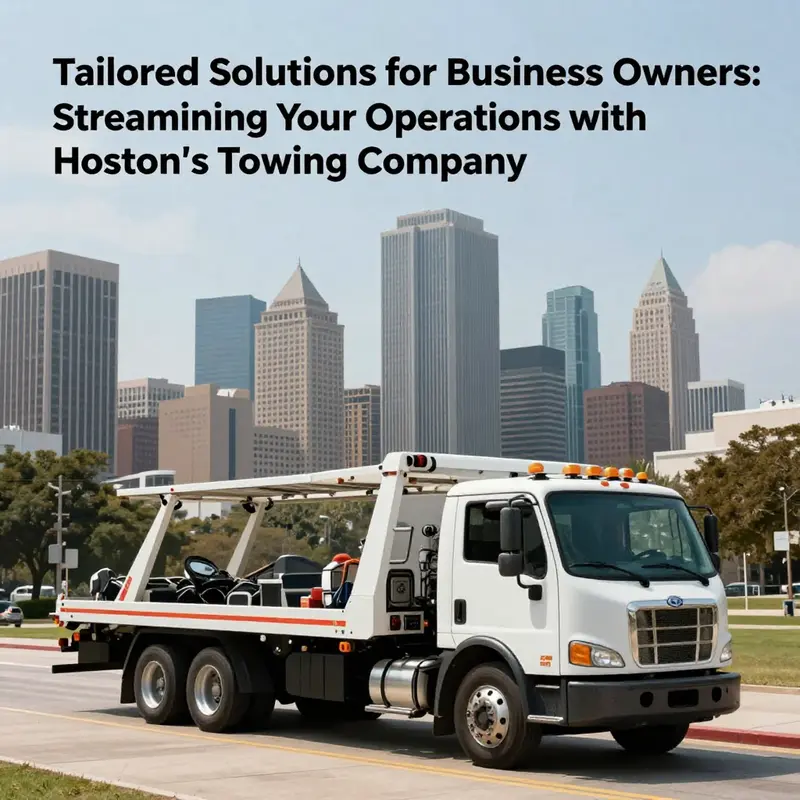
As a business owner in Houston, ensuring the smooth operation of your vehicles is crucial for success. The right towing company plays an essential role in minimizing downtime and achieving operational efficiency. This article delves into the comprehensive services offered by Houston Towing & Transportation, emphasizing the importance of swift response times and the added advantages of their vehicle repair offerings. Understanding these aspects can help you make informed decisions that effectively protect your assets and keep your business moving.
Towline of Houston: A Comprehensive Look at the Services Keeping the City Moving
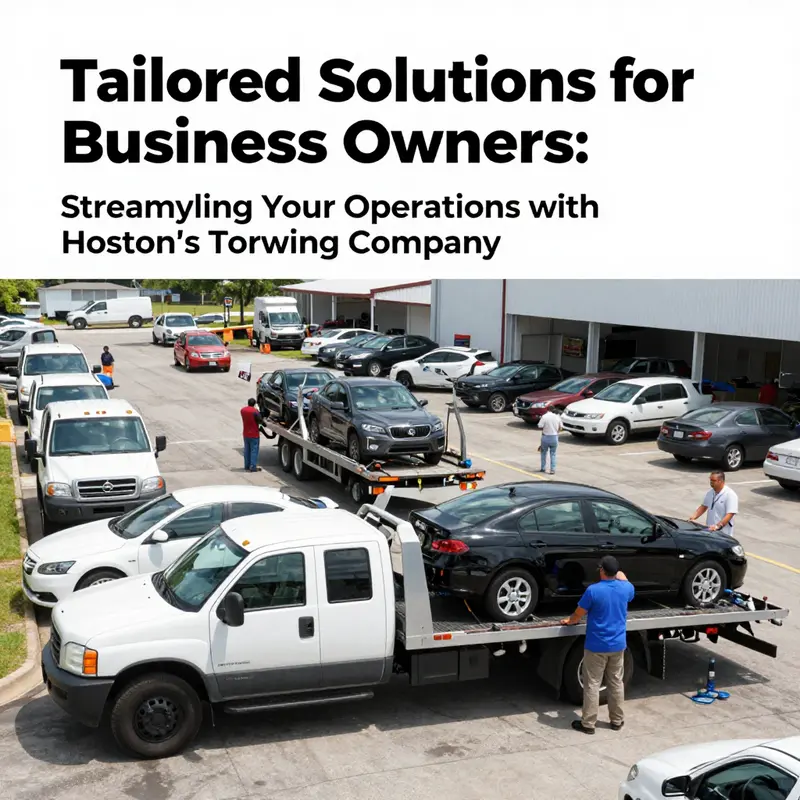
On Houston roads, a towing company is more than a vehicle with a winch. It is a network of crews, dispatchers, and trucks prepared to answer calls at any hour. The market demands speed, safety, and clear pricing. A reputable operator positions trucks across the region to shave minutes off response times rather than simply covering miles. This matters when a family is stranded on a beltway at midnight, or a shop needs a fleet relocated after a breakdown. A comprehensive service menu begins with emergency roadside assistance, a lifeline when time and weather threaten mobility. The goal is not just to move a car but to restore momentum for drivers who cannot afford delays. The best Houston operators balance thoroughness with efficiency, ensuring help arrives with the right tools, the right parts, and the right guidance for the driver. A well coordinated fleet underpins every step, from the initial call to the moment a vehicle reaches its destination, and that coordination shows up as reliability in a city where road conditions can change in an instant. The emphasis is on delivering calm, professional support that respects the driver’s time and safety while preserving vehicle integrity during the transfer.\n\nEmergency road service blends several core capabilities. Jump-starts revive weak batteries and buy a driver crucial minutes. Fuel delivery can be a mercy in a city where service stations are sparse after hours. Tire changes, performed by trained technicians, spare drivers the hazard of changing a flat on busy lanes. Lockout service helps avoid forcing entry with improvised methods that can damage doors or windows. These tasks require not only strength but precision, since malfunctioning hardware or stubborn jams can complicate even routine fixes. A 24/7 dispatch center coordinates field teams, tracks equipment, and communicates ETA updates, turning a potentially stressful moment into a straightforward plan of action. The emphasis is safety first—proper vehicle placement, secure loading, and careful handling during transport that protects occupants and other road users. The approach blends technical skill with clear communication so a driver knows what to expect at every stage of the encounter.\n\nVehicle towing expands the scope from a roadside fix to a safe relocation. When a car is totaled or a breakdown cannot be resolved on scene, the vehicle is transported to a preferred repair shop, a dealer, or another destination chosen by the owner. Modern tow trucks, including flatbeds and wheel-lift units, adapt to multiple vehicle types and conditions. For longer distances, long-distance towing connects Houston with broader markets, moving vehicles across state lines when the need arises. This capability is particularly valuable for customers relocating, fleets moving inventory, or businesses resettling operations. A reliable operator maintains a fleet of well-maintained machines, with technicians trained to manage delicate frames, electronic systems, and battery-assisted components. In practice, this means faster handoffs to repair facilities and fewer complications after a vehicle lands at its destination. Transparent pricing and clear communication about timelines help customers feel confident about the move, whether it is a quick tow a few miles or a cross-state transfer.\n\nCommercial success rests on more than quick service. A towing provider often collaborates with businesses that rely on steady mobility—fleet management for delivery, service technicians, and rental agencies with a steady inflow of returned vehicles. In such contexts, straightforward contracts, reliable scheduling, and predictable costs become as important as the on-road performance. Some operators also offer in-house repair and body services or partner with nearby shops, creating a one-stop solution hub for drivers who want a seamless experience. While not every job is glamorous, the ability to coordinate logistics in real time, protect asset value, and minimize downtime makes a difference for both individuals and fleets. In Houston, where traffic patterns shift with weather and events, the edge comes from knowing the city’s routes, the busiest corridors, and the best recovery points for stalled cars. This local expertise reduces wait times and enhances safety, promoting a culture of accountability that resonates with customers who must count on help during the hours when services are lean.\n\nTo illustrate how broader markets mirror Houston, consider a practical example of rapid roadside service available in similar urban environments. Mikes Roadside Service offers a snapshot of how dispatch, trained technicians, and a versatile fleet align to meet urgent needs. The best operators in Houston adopt a comparable playbook, combining real-time communication, scalable staffing, and a commitment to affordability. The result is a reliable safety net for drivers who encounter a breakdown, a flat tire, or an empty fuel tank. For those who plan ahead, these services can be coordinated through simple scheduling, digital estimates, and a clear path for payment, delivering peace of mind alongside practical assistance. The overarching goal remains consistent: keep the city moving by turning a deficit into a recoverable moment, with care for people and their vehicles guiding every decision.\n\nAs the pace of urban life continues to rise, households and businesses expect a towing partner that can match the tempo without compromising safety. The most credible operators maintain rigorous maintenance schedules, certify technicians, and invest in modern equipment that meets or exceeds industry standards. They also emphasize transparency in pricing, so customers know what to expect before a driver arrives. In this sense, service quality becomes a competitive differentiator that reflects on the broader transportation ecosystem. While the tasks may appear routine, the impact is tangible: one phone call, one consent to move, and a vehicle that reclaims its road status with minimal disruption. In Houston, the combination of round-the-clock readiness, a robust service menu, and a customer-centered approach creates a dependable lifeline for drivers and businesses alike, endorsing a driving environment where emergencies are handled efficiently and respect for the road stays intact.\n\nFor a broader context on 24/7 emergency response in Houston, see an external resource. https://www.houstonemergencytowing.com
Fast Arrival, Safer Streets: How Quick Response Shapes Towing Company Performance in Houston
Fast arrival matters more than convenience. In Houston, where highways, surface streets, and weather patterns create constant unpredictability, the time it takes for a tow truck to reach a disabled vehicle changes outcomes. Rapid response reduces immediate danger, eases congestion, and restores mobility for drivers and commercial fleets. It also reflects how a towing company manages people, equipment, and information under pressure.
A stalled vehicle on a busy corridor becomes a safety problem within minutes. Drivers merging to avoid a disabled car create erratic traffic patterns. Emergency crews arriving to assist face added exposure. Removing a disabled vehicle quickly reduces the window for collisions and keeps first responders safer. The best towing providers recognize that speed is not just a service metric. It is a life- and property-saving priority.
Traffic flow is another urgent concern. Houston’s major arteries can shift from moving to bumper-to-bumper in moments. A single disabled vehicle in a lane can ripple delays for miles. Quick removal frees lanes, shortens delays, and prevents secondary accidents caused by sudden braking. Businesses that depend on reliable deliveries benefit directly when tow operators clear incidents swiftly. For commercial clients, time on the road equals money, and a fast response limits lost productivity.
Around-the-clock coverage matters most when daylight fades or storms arrive. Late-night breakdowns and sudden severe weather create conditions where stranded drivers feel vulnerable. A towing company that offers dependable 24/7 assistance gives drivers a practical way out. Immediate contact, accurate estimated times of arrival, and visible progress updates lower stress for customers waiting on the roadside. Clear communication also helps motorists make safer decisions while they wait.
Achieving consistent fast response times depends on planning and technology. Modern dispatch systems use GPS tracking, automated routing, and live traffic data. These tools route the closest available truck and avoid congested corridors. But technology alone does not guarantee speed. Strategic placement of trucks across neighborhoods and along major corridors ensures physical coverage matches digital intelligence. Well-placed staging points allow companies to respond within minutes, not hours.
Operational readiness is equally important. That means vehicles in good repair, crews trained for quick and safe recovery, and straightforward protocols for common incidents. Crews trained to assess situations rapidly can choose the best equipment and method, which shortens on-scene time. A streamlined tow process reduces the duration a lane is blocked. It also reduces the risk of further vehicle damage during recovery.
Customer-focused policies reinforce fast response as a service promise. Transparent pricing, clear wait-time estimates, and incentives that encourage customers to allow quick towing to a partner repair facility improve efficiency. When shops accept towed vehicles promptly, crews can clear the roadway sooner. Some providers offer discounts for customers who agree to bring vehicles to an affiliated repair or body shop. This kind of coordination moves the entire process along faster and improves customer satisfaction.
Measuring response success matters. Leading providers track dispatch-to-arrival times, on-scene duration, and clearance intervals. These metrics reveal bottlenecks and guide investment in staffing or additional equipment. Regularly reviewing performance against targets helps a company maintain reliable service across peak times and special events. It also allows transparent reporting when clients request service-level expectations for contracted fleets.
Coordination with emergency services and local authorities enhances safety and speed. Tow operators work best when protocols exist for scene control, protected work zones, and quick communication. Clear lanes for emergency vehicles and agreed procedures for traffic control reduce delays. This partnership mentality prevents duplication of effort and speeds clearance.
From a driver’s perspective, there are practical ways to benefit from fast-response providers. Choose companies that provide real-time tracking, clear ETAs, and multiple contact channels. Ask how they stage trucks across the city and how they handle priority incidents. For fleet managers, look for providers that report response metrics and provide account management to streamline billing and service history.
Finally, emergency preparedness keeps response times stable when demand spikes. During storms or major traffic incidents, well-prepared companies increase staffing, stage extra trucks, and implement special routing. These steps maintain service reliability when it matters most.
For drivers seeking immediate help, useful roadside resources exist. For example, information about local roadside assistance options can help you decide quickly which provider to contact. See Mike’s Roadside Service for a straightforward look at common roadside offerings and how providers present service details: https://mikes1towing.com/mikes-roadside-service/.
For an industry perspective on why quick response times are prioritized, and how providers use strategic placement and dispatch systems, consult this external overview of rapid-response practices: https://www.houston-towing.com/services/quick-response
From Tow to Repair: How Houston Towing Companies Deliver Faster, Safer, Cost‑Effective Vehicle Service
Why a tow-first approach speeds repairs and saves money
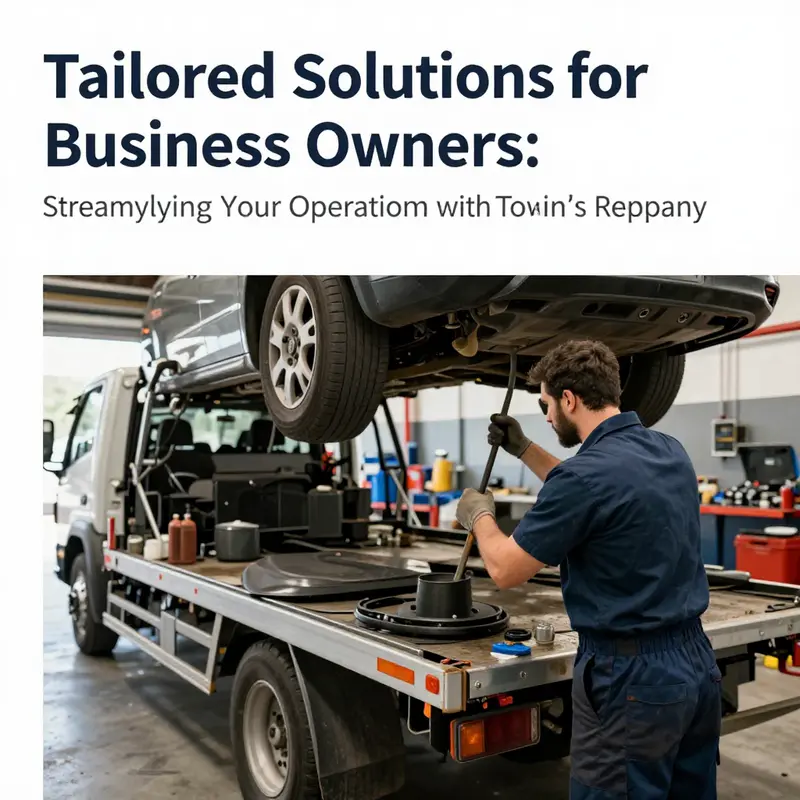
When a vehicle is disabled, the moments after a breakdown determine how quickly repairs start and how much they cost. A towing company that offers repair services or strong repair partnerships converts a single disruptive event into a smooth, managed process. Customers gain faster diagnostic time, consolidated billing, improved communication with insurers, and fewer steps between roadside failure and finished repair.
A key advantage is response time. Towing operators that place trucks strategically across Houston can reach customers faster. Quick removal from traffic or hazardous locations reduces the risk of secondary damage. That matters because a car towed promptly often requires less extensive repairs. Minimizing weather exposure, avoiding improvised fixes, and preventing towing-related stress on damaged components all limit repair scope.
Convenience is another major benefit. Instead of juggling phone calls to a tow service, a repair shop, and an insurance adjuster, customers work with one point of contact. When the towing company coordinates repairs at its own facility or an affiliated shop, vehicle owners avoid repeated drop-offs. The tow crew delivers the car directly to technicians who already have access to initial notes and photos. That continuity shortens the time to diagnosis and repair authorization.
Cost savings follow naturally. Many Houston towing providers offer discounted repair rates for customers who tow to their shops. Those discounts reduce out-of-pocket expenses and lower repair bills after insurance deductibles. Additionally, integrated shops can limit markup on labor and parts. Instead of paying separate fees for storage, tow, and repair coordination, customers benefit from bundled pricing or applied credits.
Safety and proper equipment matter in repair outcomes. A towing specialist with flatbeds, winches, and heavy-duty wreckers moves vehicles without exacerbating structural or drivetrain damage. Flatbed towing, for example, preserves suspension and transmission integrity for cars with severe undercarriage damage. Vehicles delivered on the right equipment arrive at the repair facility in a condition that allows more accurate diagnostics and fewer surprise repairs.
Documentation and evidence handling are often overlooked but are critical when repairs involve insurance claims or liability issues. Towing companies that photograph damage at the scene, record mileage, and log service details provide a clear chain of custody. Those records make claims faster to process and reduce disputes over preexisting damage. For fleet managers, documented tows simplify maintenance tracking and cost allocation across accounts.
For commercial clients, integrated towing-plus-repair services minimize downtime. Trucking companies and businesses operating vehicle fleets need reliable turnaround. A provider that can tow, assess, and repair at a single location restores vehicles to service faster. Strategic truck placement throughout Houston further reduces time out of service, helping businesses meet delivery windows and maintain schedules.
Customer service plays a large role. Towing companies that emphasize affordability and quality create transparent expectations. Clear pricing estimates at tow intake reduce surprises. When a repair facility is co-located with the towing operator, technicians can speak directly with drivers and owners. That direct communication not only speeds approvals for repairs but also builds trust in suggested work.
Body repair and collision work benefits from early, professional handling. Prompt towing to a shop that performs bodywork prevents rust formation and secondary issues that appear when damaged panels are exposed. Timely paint, panel replacement, and alignment services protect vehicle value and prevent small problems from growing into costly repairs.
Insurance coordination becomes simpler, too. Towing companies familiar with local adjusters and insurer requirements know what documentation is required. They can expedite estimate uploads and coordinate with repair networks. For customers, this reduces back-and-forth phone calls and accelerates payment or authorization timelines.
Beyond repair efficiency, there is a safety and legal component. Licensed towing and repair facilities follow regulations for vehicle storage, hazardous material handling, and disposal. Properly licensed operations also maintain certificates and warranties. Customers who tow to licensed shops avoid legal headaches around salvage titles and can access warranties that independent or informal shops might not provide.
Choosing a towing company that offers roadside assistance and repair partnerships also improves peace of mind. Drivers can rely on a single provider for jumpstarts, tire changes, fuel delivery, and towing to a trusted repair shop. That continuity matters in an urban environment with heavy traffic and narrow shoulders. A coordinated service minimizes exposure for drivers and reduces time spent waiting at the roadside.
Practical steps help customers maximize benefits. When calling for a tow, ask whether the operator offers repair discounts or co-located service. Request documentation at pickup, including condition photos and an itemized estimate. If you manage a fleet, discuss service contracts that include priority towing and repair scheduling. For individual drivers, compare bundled pricing versus separate towing and repair bills.
For further reading about local roadside assistance options, see Mike’s Roadside Service for examples of complementary services and local approaches to quick on-site help: https://mikes1towing.com/mikes-roadside-service/
For more information on towing and repair coordination in Houston, including service scope and availability, visit the local emergency towing resource: https://www.houstonemergencytowing.com
Final thoughts
Choosing Houston Towing & Transportation as your go-to towing partner not only facilitates reliable transportation of your vehicles but also provides additional benefits such as quick repair services. Leveraging their comprehensive offerings can enhance your operational efficiency, reduce downtime, and ultimately support the growth of your business. Firmly integrating these services into your operational strategy can lead to improved productivity and peace of mind.